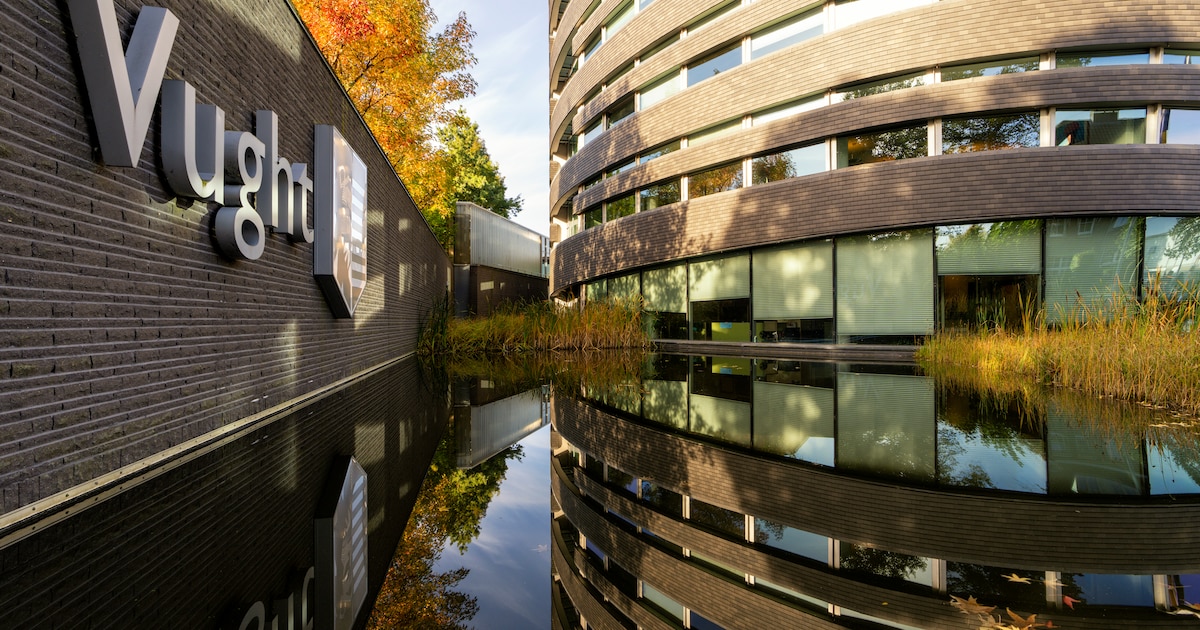
Dutch authorities have granted high-security prisons, including the Extra Beveiligde Inrichting (EBI) in Vught, the legal authority to intercept and neutralize unauthorized drones. This policy change, which took effect recently, empowers prison staff to act against unmanned aerial vehicles (UAVs) that pose a security risk by attempting to deliver contraband such as drugs, mobile phones, or weapons to inmates.
The measure follows a series of incidents where remotely piloted aircraft were used to bypass traditional prison perimeters. By authorizing the physical neutralization of these devices, the Ministry of Justice and Security aims to disrupt the supply chains that criminal organizations use to maintain contact with incarcerated high-profile offenders. The decision marks a shift in how the Dutch prison service manages the airspace directly surrounding its most secure facilities, as reported by the Dutch Ministry of Justice and Security.
Addressing the Escalating Security Threat
The use of drones to supply prisons has become a recurring challenge for law enforcement agencies across Europe. In the Netherlands, the EBI in Vught—which houses the country’s most dangerous criminals—has been a frequent target for such attempts. According to official assessments, criminals are continuously adapting their methods to circumvent existing security protocols, necessitating more robust defensive capabilities for prison management.
While previous security measures focused on detection and ground-level surveillance, the new mandate allows for more aggressive intervention. Prison directors now have the legal framework to deploy specialized equipment designed to disable or bring down drones that enter restricted airspace. This development is part of a broader effort to modernize prison security, ensuring that the isolation of high-security inmates remains effective against external interference.
Operational Challenges and Legal Framework
Implementing drone interception technology requires careful coordination with aviation authorities and local law enforcement. The legality of neutralizing a drone involves complex regulations regarding airspace sovereignty and potential collateral damage. The government has emphasized that these measures are strictly limited to the direct vicinity of high-security facilities and are intended to prevent criminal activity rather than engage in general aerial policing.
The decision comes as criminal networks increasingly rely on technology to facilitate communication and provide prohibited items to those in isolation. By allowing prison staff to intervene directly, the government seeks to reduce the frequency of successful drop-offs. The effectiveness of these measures will be monitored closely, as the prison service evaluates whether additional technological upgrades are required to maintain a secure environment.
What Happens Next?
The operational deployment of drone-neutralizing equipment is currently underway at designated high-security sites. The Ministry of Justice and Security continues to evaluate new surveillance technologies to complement the interception mandate. Prison staff are receiving training on the legal and technical protocols required to identify and safely disable unauthorized drones without endangering public safety or staff members.
Future updates regarding the frequency of drone interceptions and the overall impact on prison security are expected to be included in periodic reports to the Dutch Parliament. For those interested in tracking the evolution of Dutch correctional policy and security infrastructure, official updates are regularly published on the Dienst Justitiële Inrichtingen (DJI) website. We encourage readers to share their thoughts on the balance between prison security and the risks of using interception technology in our comments section below.
Keep reading