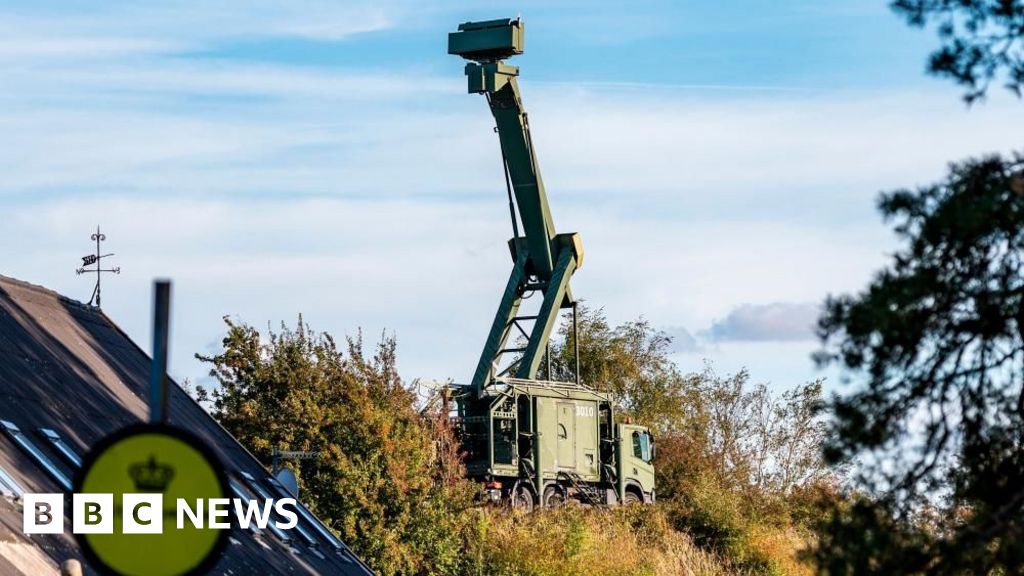
Heightened Drone Activity across Northern Europe Sparks Security Concerns & NATO Scrutiny
Recent days have seen a surge in drone-related security incidents across several Northern European nations, triggering airport closures, investigations, and heightened anxieties about potential Russian interference. From Denmark and Norway to Lithuania and Germany, the airspace disruptions are prompting a reassessment of vulnerabilities and a call for increased vigilance among NATO allies.
heres a breakdown of the situation, what we know, and what it means for you:
A Wave of Disruptions
The initial wave of incidents centered around Denmark. Aalborg Airport was forced to suspend operations for several hours after multiple drones were detected in its vicinity. Simultaneously, Oslo Airport in Norway experienced temporary closures due to possible drone sightings.
These disruptions weren’t isolated. Here’s a quick overview of the recent activity:
* Denmark: Aalborg Airport, Copenhagen Airport (briefly impacted).
* Norway: Oslo Airport, orland airbase (investigation ongoing).
* Germany: Drone sightings reported over Schleswig-Holstein, near the Danish border.
* Lithuania: Vilnius Airport experienced flight delays.
These events have understandably raised concerns about the security of critical infrastructure.
Investigating Potential Russian Involvement
While definitive proof remains elusive, suspicion is falling on Russia as a potential instigator. The timing and coordinated nature of the incidents have led many to believe this could be a intentional strategy of “hybrid warfare” – a tactic employing a blend of military and non-military methods to destabilize adversaries.
Denmark’s Defense Minister has characterized the activity as the work of a “professional actor” likely operating locally. However, the possibility of Russian involvement hasn’t been dismissed, particularly given the ongoing conflict in Ukraine and heightened tensions with NATO.
Russia, predictably, denies any involvement. The Russian embassy in Copenhagen has labeled accusations of participation as “absurd speculations” and claims the incidents are “staged provocations.”
What is Hybrid Warfare?
You might be hearing the term “hybrid warfare” a lot lately. It’s crucial to understand what it entails. Essentially, it’s a strategy that combines:
* Conventional Military Tactics: Like airspace violations.
* Cyberattacks: Disrupting systems and spreading misinformation.
* Economic Pressure: Using financial leverage for political gain.
* Disinformation Campaigns: Spreading false narratives to sow discord.
The goal is to destabilize a target nation without triggering a full-scale military conflict.
Broader Regional Concerns & NATO Response
These incidents aren’t happening in a vacuum. Several other NATO member states have recently reported unusual activity in their airspace:
* Poland: Approximately 20 Russian drones crossed into polish airspace last week.
* Estonia: Russian MiG-31 jets entered Estonian airspace.
* Romania: A Russian drone breached Romanian airspace.
Russia has offered varying explanations for these events, ranging from denials to claims of unintentional incursions.
In response, Estonia and poland requested consultations with other NATO members.The alliance is taking the situation seriously, recognizing the potential for escalation and the need for a unified response. Germany’s Interior Minister has announced plans to discuss the drone threat with European partners next month.
What Does This Mean for You?
While these events are primarily a concern for national security and aviation authorities, they do have broader implications.
* Increased Security Measures: Expect to see heightened security protocols at airports and other critical infrastructure locations.This may translate to longer wait times and more thorough screenings.
* Potential for Travel Disruptions: Be prepared for possible flight delays or cancellations if drone activity continues. Stay informed about the latest travel advisories.
* Heightened Geopolitical Tensions: The situation underscores the increasingly complex and volatile geopolitical landscape.
Looking Ahead
The investigation into these drone incursions is ongoing. Authorities are working to identify the perpetrators and determine their motives. In the meantime, NATO and its member states are likely to strengthen their air defense capabilities and enhance cooperation to address this emerging threat.
This situation serves as a stark reminder of the evolving nature of modern warfare and the importance of vigilance in safeguarding national security.
Resources for Staying Informed:
Related reading