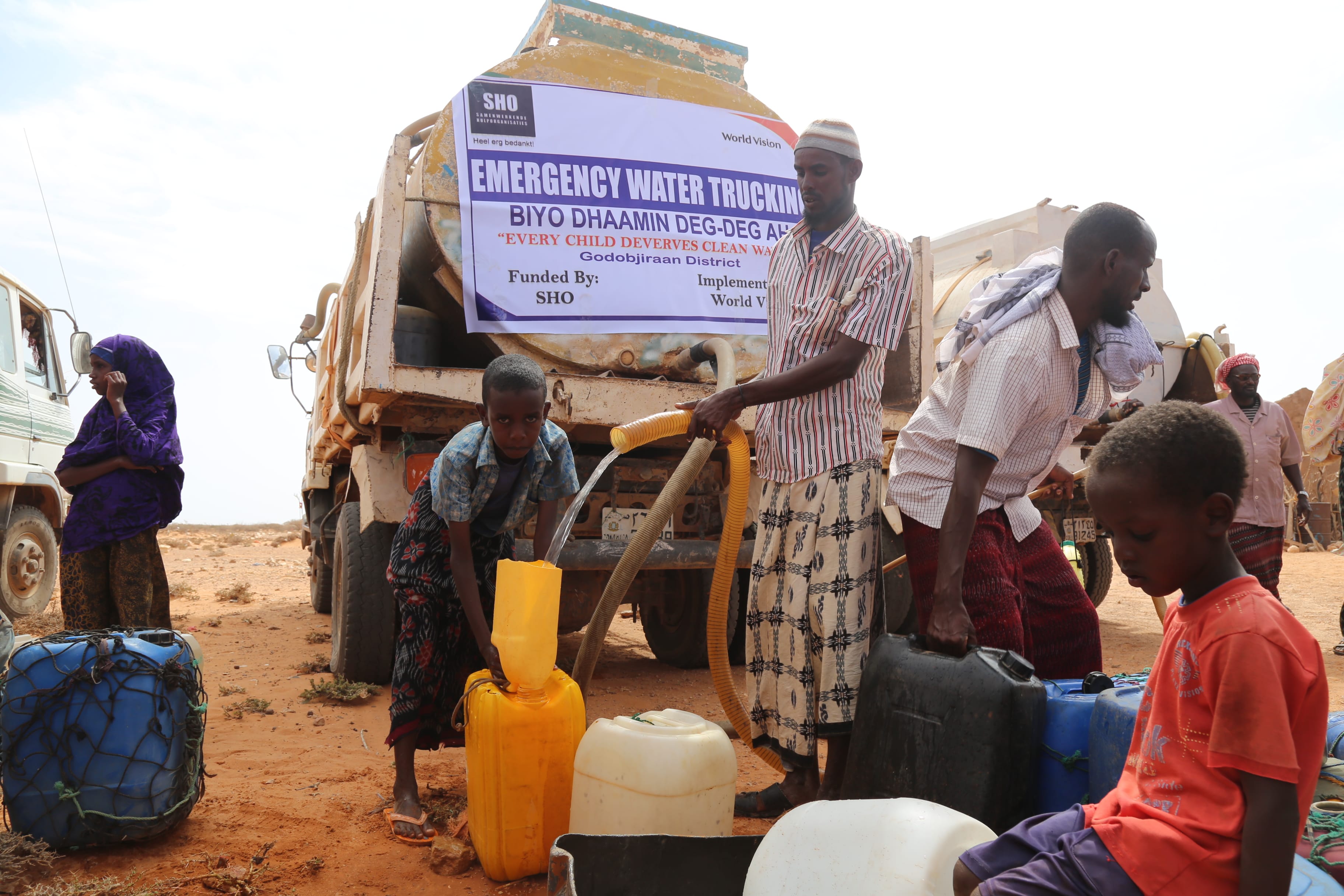
In the semi-autonomous region of Puntland in northeastern Somalia, a relentless drought continues to exact a devastating toll on nomadic communities and settled populations alike. As water sources vanish and livestock perish, families are forced to abandon ancestral grazing lands in search of survival. The crisis, part of a broader humanitarian emergency across the Horn of Africa, has intensified in recent months, with reports indicating that millions now face acute shortages of water, food and basic humanitarian assistance.
The situation in Puntland reflects the severity of Somalia’s most prolonged dry spell in four decades, which began in 2021 and has persisted through multiple failed rainy seasons. According to verified data from the United Nations and humanitarian monitoring groups, over 7.8 million Somalis — nearly half the country’s population — were affected by the 2021–2023 drought, with Puntland and Somaliland bearing some of the heaviest burdens. As of early 2024, approximately 4.4 million people across Somalia remained in need of urgent humanitarian aid due to lingering drought impacts, including an estimated 724,000 individuals classified in Integrated Food Security Phase 4 (Emergency), just one step below famine conditions.
Nomadic herders, who constitute a significant portion of Puntland’s population, have been disproportionately affected. With up to 80% of the region experiencing severe drought conditions, traditional water points such as berkads (underground cisterns) and seasonal wells have dried up. Livestock, the cornerstone of pastoral livelihoods, have suffered catastrophic losses; in the hardest-hit areas, as much as one-third of herds perished between mid-2021 and late 2022 due to lack of water and pasture. This has not only erased household incomes but also undermined food security, as milk and meat — primary sources of nutrition — have become scarce.
Displacement has surged as a direct consequence of the environmental stress. More than one million Somalis were displaced internally in 2022 alone, with many fleeing rural districts in Puntland toward urban centers like Garowe, Galkayo, and Bosaso in search of water, food aid, and medical care. Though displacement numbers decreased slightly in 2023, over 300,000 people remained displaced throughout that year, living in informal settlements where access to sanitation and clean water remains limited. Aid agencies have warned that without sustained intervention, secondary crises such as malnutrition and disease outbreaks could worsen.
The agricultural sector, though less dominant in Puntland than in southern Somalia, has also sustained significant damage. Rain-fed farming, already precarious due to erratic rainfall patterns, has seen yields drop by up to 70% in some areas during the peak drought years. This decline affects both subsistence farmers and those engaged in small-scale market agriculture, further reducing local food availability and increasing dependence on external food assistance.
Humanitarian organizations, including the International Federation of Red Cross and Red Crescent Societies (IFRC), have highlighted the deepening crisis in Puntland and Somaliland, noting that funding gaps and access challenges have hampered relief efforts. While emergency water trucking, the rehabilitation of boreholes, and the distribution of drought-resistant seeds have been implemented in parts of the region, these measures remain insufficient to meet the scale of need. As of April 2025, the IFRC’s emergency appeal for the Puntland-Somaliland drought response indicated that the situation continues to intensify, with communities reporting little to no rainfall during the most recent gu (spring) season.
Climate experts have long identified Somalia as one of the most vulnerable countries to climate change, despite its minimal contribution to global greenhouse gas emissions. Rising temperatures, increased evaporation, and the growing unpredictability of the two main rainy seasons — gu (April–June) and dayr (October–December) — have disrupted centuries-old pastoral cycles. Scientists warn that without global climate adaptation support and local resilience building, such droughts could become more frequent and severe, trapping communities in cycles of crisis and recovery.
For readers seeking verified updates on the evolving situation in Puntland and Somalia more broadly, authoritative sources include the United Nations Office for the Coordination of Humanitarian Affairs (OCHA) Somalia page, the Famine Early Warning Systems Network (FEWS NET), and the Somalia Water and Land Information Management (SWALIM) project. These platforms provide regular assessments of food security, water availability, displacement trends, and climate forecasts, offering critical insight into both immediate needs and longer-term resilience strategies.
As the dry conditions persist, the resilience of Puntland’s communities is being tested like never before. While international attention has fluctuated, the human cost of this drought remains measurable in lost livelihoods, fractured families, and an uncertain future for a people whose way of life has endured for generations — now threatened not by conflict alone, but by the silent advance of a changing climate.
Stay informed. Share this story to help amplify the voices of those affected by the ongoing drought in Puntland and across Somalia.
Worth a look
- Since the provided input is only an image link and contains no text or context about the article’s content, it is impossible to create a specific SEO title. However, based on the source (Times of India), if this is a general news piece, a high-performing SEO template would be: [Main Subject/Keyword]: Latest Updates, News, and Key Highlights
- Armed Clashes Erupt in the Libyan City of Zawiya