
Hundreds of demonstrators gathered in Düsseldorf’s “Little Tokyo” district on Saturday to protest a scheduled walk-through by members of the political party Alternative for Germany (AfD). The counter-protest, which drew a diverse crowd of residents and business owners, sought to challenge the party’s recent characterization of the Japanese quarter as a “parallel society.”
The incident highlighted ongoing tensions regarding the integration of international communities in Germany’s urban centers. While the AfD maintains that its visit was part of a broader political tour to address local policy concerns, the response from the community emphasized a rejection of the rhetoric used to describe the neighborhood, which has long been a hub for Japanese culture, gastronomy, and business in North Rhine-Westphalia. According to reporting from ARD and local media, the police presence was significant, ensuring the safety of both the party representatives and the protestors as the two groups remained separated throughout the afternoon.
The Context of the “Parallel Society” Claim
The controversy stems from statements made by regional AfD officials regarding the structure of the Immermannstraße area, a central artery of Düsseldorf’s Japanese community. The party’s assertion that the neighborhood functions as a “parallel society”—a term often used in German political discourse to imply a lack of integration—has been met with sharp criticism from city officials and community leaders. The City of Düsseldorf, which maintains a long-standing partnership with Japan, has consistently defended the district as a vital and integrated part of the city’s identity.

Data from the City of Düsseldorf identifies the area as home to one of the largest Japanese communities in Europe, contributing significantly to the local economy through numerous corporate headquarters and cultural institutions. By labeling the area a “parallel society,” the AfD has drawn condemnation from various local political factions, including the Social Democrats (SPD) and the Green Party, who argue that such language ignores the decades of successful cultural and economic exchange between the city and its Japanese residents.
Community Response and Public Order
The protest on Saturday saw a wide coalition of civil society groups, students, and neighborhood residents joining together to voice their dissent. Many participants held signs celebrating the diversity of the district, emphasizing that the neighborhood is not isolated from the rest of the city, but rather a bridge between German and Japanese cultures. Local police reported that while the atmosphere was charged, the demonstrations remained largely peaceful, with no major disruptions to public order recorded as of Saturday evening.
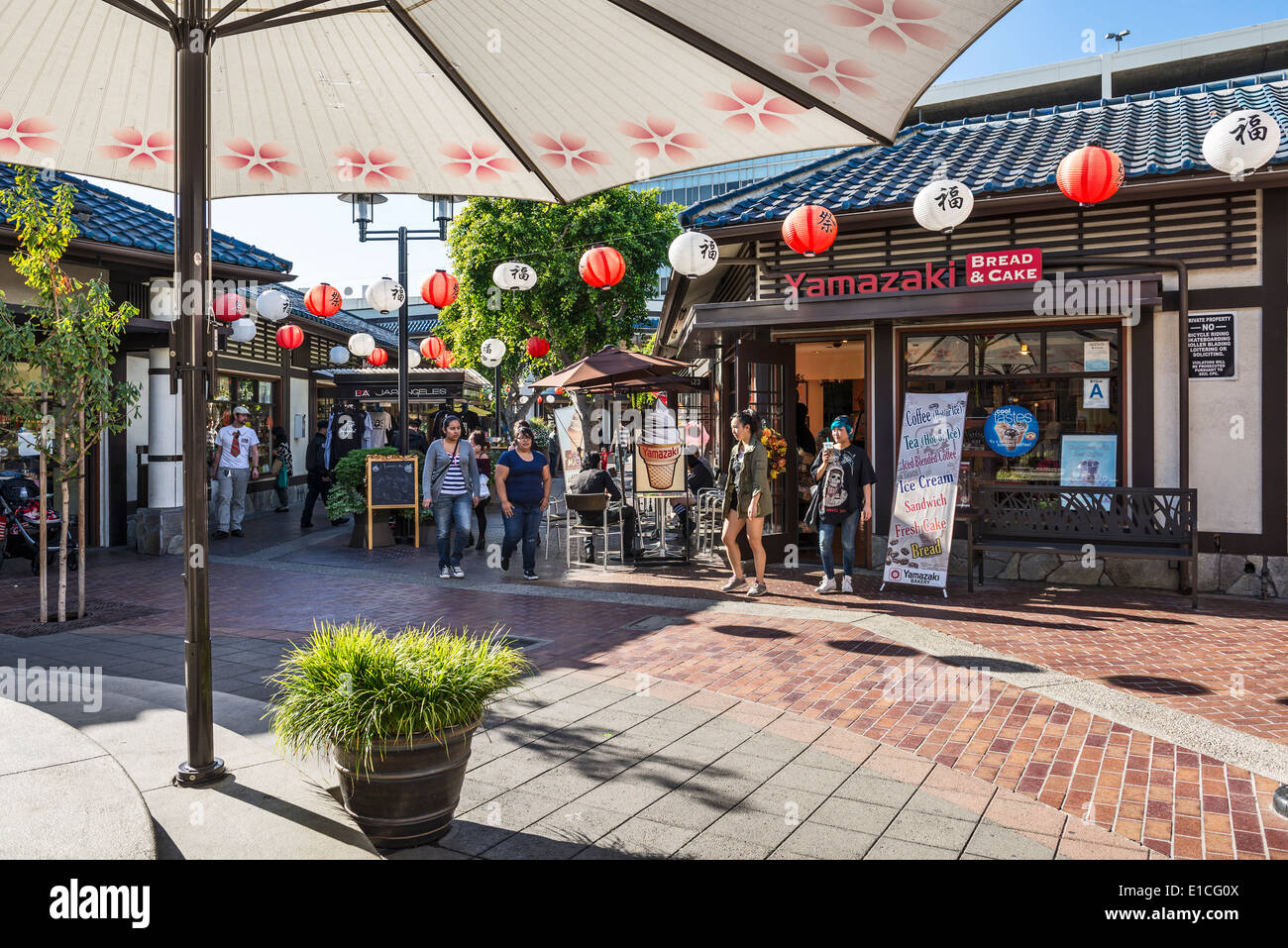
The North Rhine-Westphalia Police, which managed the security operation, confirmed that they had prepared for a high volume of demonstrators and utilized barricades to prevent direct physical confrontation between the opposing sides. The strategy reflected a growing trend in German municipal politics where political walk-throughs in sensitive districts are met with pre-organized counter-protests, often resulting in heavy police surveillance to mitigate the risk of violence.
Why the Dispute Matters for Düsseldorf
The friction in Little Tokyo is reflective of a wider national debate regarding identity and the definition of a “successful” immigrant community. For Düsseldorf, the Japanese presence is not merely a demographic fact but a cornerstone of its international branding. The city hosts the annual “Japan Day” (Japan-Tag), a festival that regularly attracts hundreds of thousands of visitors from across the country, serving as a primary indicator of the community’s high level of integration and social acceptance.
According to the Federal Statistical Office of Germany, the economic impact of Japanese corporations based in the Düsseldorf region is substantial, with the area serving as the European headquarters for hundreds of Japanese companies. When political figures target these areas with inflammatory rhetoric, it often triggers a defensive response from local business chambers and government bodies, who view the stability and reputation of these districts as essential to the city’s continued economic prosperity.
Moving Forward
As the political climate in North Rhine-Westphalia continues to evolve ahead of future electoral cycles, the visibility of such protests is likely to remain high. The City of Düsseldorf has not issued a formal response to the specific claims made during the AfD’s visit, but representatives from the mayor’s office have previously emphasized that the city remains committed to its open-door policy regarding international residents and cultural diversity. No further events of this nature have been confirmed for the immediate future, though local authorities are maintaining a monitoring presence to ensure the continued stability of the district.
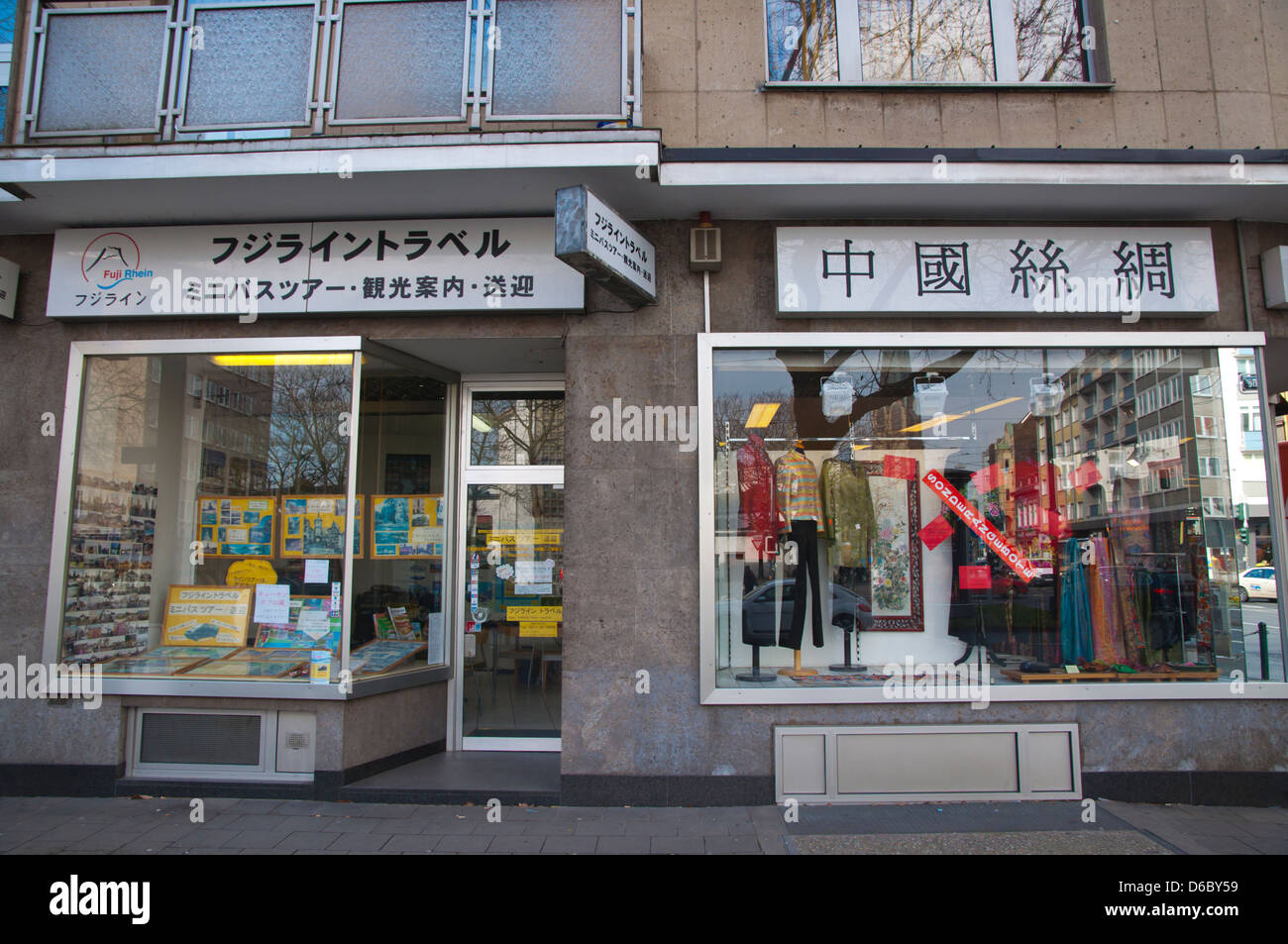
Residents and interested parties can track upcoming municipal council meetings and public order announcements via the official city portal for the most accurate and up-to-date information regarding local events. We invite our readers to share their perspectives on this development in the comments section below.
Worth a look