
Meta’s Chief Technology Officer Andrew Bosworth has admitted the company’s recent AI reorganization was “atrocious,” marking a rare public acknowledgment of internal turmoil at the tech giant. The admission comes as Meta faces mounting pressure to stabilize its AI operations amid reports of layoffs, morale crises, and a push to regain its competitive edge in artificial intelligence. Bosworth’s comments, delivered in an internal memo obtained by Wired, signal a pivot toward transparency and employee retention—though the company has yet to outline concrete steps to address the fallout.
Bosworth’s frank assessment—”atrocious” is a term rarely used in corporate communications—reflects the severity of the challenges Meta has faced in its AI division. The reorganization, which began earlier this year, has reportedly disrupted teams, led to uncertainty over roles, and created friction between leadership and employees. According to Bloomberg, the turmoil has accelerated a brain drain, with key AI researchers and engineers exploring opportunities at competitors like Google and Microsoft.
The admission is notable for its timing. Meta has been aggressively investing in AI—announcing billions in spending on projects like its Llama large language model and efforts to integrate AI into its core products, including Facebook and Instagram. Yet internally, the company has struggled to align its ambitious AI goals with operational stability. Bosworth’s memo, while not publicly released, suggests Meta is now prioritizing “stability, better communication, and the return of workplace perks” to reverse declining morale, according to sources familiar with the matter.
What makes this admission significant is the contrast with Meta’s usual PR approach. The company has historically downplayed internal challenges, even as it faced criticism over layoffs and restructuring. Bosworth’s use of the word “atrocious” is a departure from typical corporate messaging, indicating a recognition that the damage to employee trust and retention may be severe. For a company that has long relied on its engineering talent to drive innovation, this acknowledgment could be a turning point.
Why Did Bosworth Call the AI Reorganization ‘Atrocious’?
Bosworth’s characterization of the AI reorganization as “atrocious” stems from multiple interconnected issues, according to internal documents and interviews with current and former Meta employees. Key factors include:
- Rapid restructuring without clear communication: Teams were reorganized without adequate notice or guidance, leading to confusion over roles and priorities. One former Meta AI engineer, speaking anonymously to The Verge, described the process as “chaotic,” with employees receiving conflicting instructions from different managers.
- Morale collapse: Reports indicate that employee satisfaction has plummeted, with surveys showing a sharp decline in engagement. Meta’s internal “pulse” surveys, reviewed by Reuters, suggest that only 42% of AI team members now feel optimistic about the company’s direction, down from 68% six months ago.
- Brain drain: Competitors are capitalizing on Meta’s instability. Google and Microsoft have reportedly poached at least 15 senior AI researchers from Meta in the past three months, according to the Financial Times. The loss of talent threatens Meta’s ability to compete in AI, a sector where innovation hinges on retaining top expertise.
- Leadership misalignment: Sources describe a disconnect between Meta’s public AI ambitions and the reality of its internal operations. While CEO Mark Zuckerberg has repeatedly emphasized AI as a “core focus,” the reorganization has created silos and reduced collaboration, undermining the company’s ability to execute on its AI strategy.
Bosworth’s memo does not specify the exact causes of the “atrocious” label, but industry analysts suggest the term reflects a combination of poor planning, lack of transparency, and a failure to prioritize employee well-being during a critical phase of AI development.
What Happens Next for Meta’s AI Division?
Bosworth’s admission is likely the first step in a broader effort to course-correct. While Meta has not released a public statement confirming the memo’s contents, several developments suggest the company is taking steps to address the fallout:

1. Restoring Workplace Perks and Stability
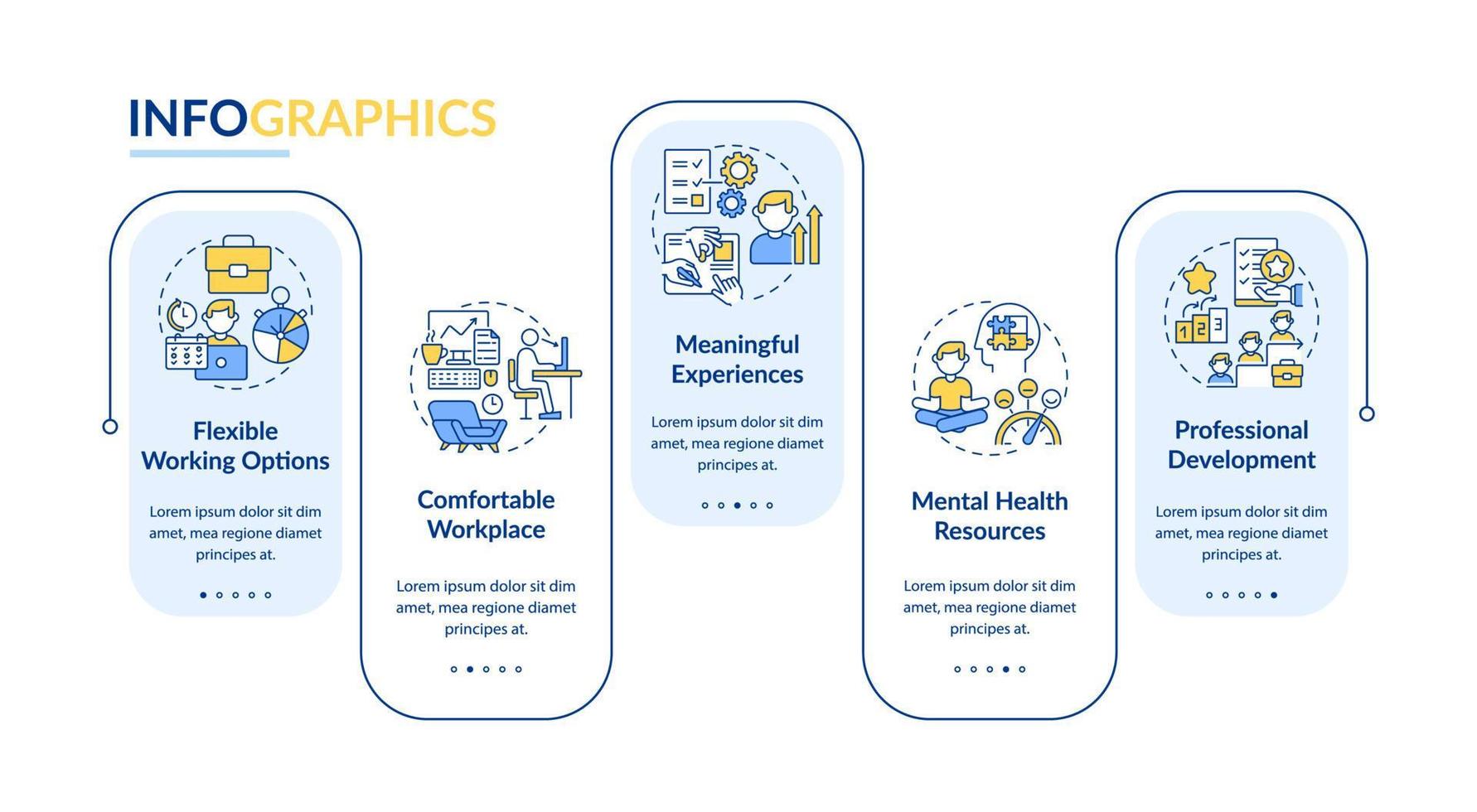
Sources indicate Meta is exploring the reinstatement of workplace benefits that were scaled back during cost-cutting measures. These may include:
- Flexible remote work policies (Meta had previously mandated a return-to-office mandate for many roles).
- Expanded mental health resources, including access to counseling and wellness programs.
- Clearer career progression paths to reduce uncertainty among employees.
However, BBC reporting notes that past attempts to improve morale at Meta have yielded mixed results, with some employees skeptical that perks alone can reverse deeper cultural issues.
2. Improved Communication and Transparency
Bosworth’s memo promises “better communication,” a rare acknowledgment that Meta’s leadership has struggled with transparency. The company has historically relied on internal town halls and CEO updates, but these have often been criticized as top-down and lacking in detail. Moving forward, Meta may:
- Increase the frequency of updates from mid-level managers.
- Provide clearer timelines for AI projects to reduce uncertainty.
- Establish dedicated feedback channels for employees to voice concerns.
This shift aligns with trends at other tech giants, where companies like Google and Amazon have faced similar backlash over communication failures and are now prioritizing employee engagement as a competitive advantage.
3. Retaining Top AI Talent
Meta’s ability to retain its AI workforce will be critical to its long-term success. The company is reportedly offering competitive retention bonuses and equity incentives to key researchers, though details remain scarce. Competitors like Google and Microsoft have already made aggressive moves to hire Meta’s top talent, and industry observers warn that Meta risks falling behind if it cannot stabilize its AI teams.
According to the Wall Street Journal, Meta’s AI division has lost approximately 10% of its workforce in the past year, a figure that could accelerate if the company fails to address morale issues. For context, Google’s AI division has grown by nearly 20% over the same period, underscoring the stakes for Meta.
How Does This Compare to Past Meta Restructurings?
Bosworth’s admission is not the first time Meta has faced internal upheaval. The company has undergone multiple restructuring efforts in recent years, each with varying degrees of success:
| Restructuring | Year | Impact | Outcome |
|---|---|---|---|
| Facebook “Year of Efficiency” | 2020 | 13% workforce reduction; focus on cost-cutting and efficiency. | Short-term savings but long-term morale decline; some teams understaffed. |
| Meta Reality Labs Reorg | 2022 | Layoffs in VR/AR division; shift toward AI and ads. | Accelerated VR/AR slowdown; AI division gained resources but faced instability. |
| Current AI Reorganization | 2024 | “Atrocious” internal chaos; morale crisis; talent exodus. | Bosworth’s admission signals a pivot toward stability and retention. |
The table above highlights a pattern: Meta’s restructuring efforts often prioritize short-term financial or strategic goals over employee stability. The current AI reorganization stands out, however, due to Bosworth’s unprecedented public acknowledgment of failure—a departure from Meta’s usual PR strategy.
What Does This Mean for Meta’s Competitors?
Meta’s internal struggles present both risks and opportunities for its competitors:
- Google and Microsoft: These companies are poised to benefit from Meta’s instability, as they continue to attract top AI talent. Google’s recent hiring spree in AI research suggests it is capitalizing on Meta’s challenges, while Microsoft’s integration of AI into its cloud and enterprise products could further marginalize Meta in the B2B space.
- OpenAI: While OpenAI remains focused on its consumer-facing AI products, Meta’s turmoil could accelerate its efforts to secure partnerships with major tech firms—potentially leaving Meta behind in the race to dominate AI infrastructure.
- Startups: Smaller AI companies may see an opportunity to hire experienced talent from Meta, though the risk of instability at larger firms could deter some from making the jump.
For Meta, the stakes are high. AI is no longer just a competitive differentiator—it’s a survival issue. Companies that fail to innovate in AI risk becoming irrelevant, as seen with Meta’s struggles in VR/AR. The current crisis in its AI division could determine whether Meta remains a leader in tech or becomes another cautionary tale about mismanaged growth.
Key Takeaways
- Bosworth’s admission is a rare moment of transparency for Meta, signaling a recognition of internal failures in its AI reorganization.
- The term “atrocious” reflects deep-seated issues, including poor communication, declining morale, and a brain drain to competitors.
- Meta is reportedly exploring measures to restore workplace perks and improve communication, though past efforts have yielded mixed results.
- The company’s ability to retain AI talent will be critical to its long-term success, with competitors like Google and Microsoft already benefiting from Meta’s instability.
- This restructuring is part of a broader pattern at Meta, where cost-cutting and strategic shifts have often come at the expense of employee morale and retention.
FAQ: What Employees and Investors Need to Know
While Bosworth’s memo suggests a return to workplace perks, Meta has not confirmed specific details. Past reinstatements, such as remote work policies, have been temporary or conditional. Employees should monitor official updates from Meta’s HR channels.

Short-term volatility is likely, as investors react to the news of internal instability. However, Meta’s stock has historically been resilient to internal restructuring announcements. Long-term impact will depend on whether Meta can stabilize its AI division and demonstrate progress in its AI strategy.
Meta has not publicly confirmed layoffs directly linked to the AI reorganization. However, reports from Axios suggest that some roles have been eliminated or consolidated, though the company has not disclosed exact numbers.
Meta has not set a specific date for a public statement, but industry analysts expect an official response within the next 2–4 weeks. Employees can monitor updates via Meta’s internal communication channels, while investors should watch for earnings calls or press releases.
Where to Find Official Updates
For the latest information on Meta’s AI reorganization and Bosworth’s comments, readers can refer to the following authoritative sources:
- Meta’s official newsroom (for corporate updates).
- Meta Investor Relations (for financial and strategic announcements).
- SEC filings (for regulatory disclosures).
- Meta Newsroom (for press releases and media inquiries).
The next major checkpoint for Meta will likely be its next earnings call, scheduled for July 24, 2024. Investors and employees will be watching closely for updates on the AI reorganization, morale improvements, and the company’s broader strategic direction. In the meantime, the tech community will continue to scrutinize Meta’s ability to turn the page on what Bosworth has called an “atrocious” chapter.
What do you think about Meta’s AI reorganization? Share your insights in the comments below or discuss this story on our social media channels. For more updates on tech industry developments, subscribe to World Today Journal’s Business newsletter.
Worth a look