Düsseldorf, Germany, May 25, 2026 — The 23rd annual Japan Day in Düsseldorf shattered attendance records this year, drawing an estimated 700,000 visitors to the city’s Rhine River promenade on Saturday, May 23, 2026. Organizers described the event as a vibrant celebration of Japanese culture, blending traditional arts, modern technology, and culinary traditions against the backdrop of Düsseldorf’s historic and contemporary architecture. The festival, which has grown into one of Europe’s largest cultural events of its kind, highlighted the deepening ties between Germany and Japan while showcasing how cities can become temporary hubs for global cultural exchange.
The record-breaking turnout underscores Düsseldorf’s position as a cultural crossroads in North Rhine-Westphalia, Germany’s most populous state. With a population of over 618,000 residents and a metropolitan area exceeding 11 million people, the city has consistently positioned itself as a magnet for international festivals, including its renowned Japan Day. This year’s event featured everything from traditional Japanese tea ceremonies and martial arts demonstrations to cutting-edge robotics exhibits and interactive technology workshops, reflecting both the festival’s historical roots and its modern evolution.
While the exact figure of 700,000 attendees has not been independently verified by official city sources at the time of publication, local media reports and eyewitness accounts describe unprecedented crowds along the Rhine promenade, with attendees spanning all age groups. The event’s organizers, the Japan Day Düsseldorf/NRW team in collaboration with local authorities, have not yet released official attendance figures, but preliminary estimates suggest this year’s turnout surpassed previous records by a significant margin. For comparison, the 2024 Japan Day attracted approximately 500,000 visitors according to promotional materials, indicating substantial growth in just two years.
Cultural Fusion: How Düsseldorf Became Europe’s Japan Day Capital
The Japan Day festival in Düsseldorf has evolved from a modest cultural exchange initiative into a multi-day celebration that transforms the city into a temporary Japanese cultural district. This year’s event featured:

- Traditional Performances: Taiko drumming circles, kabuki theater demonstrations, and classical shamisen music performances along the Rhine
- Modern Technology: Exhibits showcasing Japanese robotics, AI advancements, and interactive digital art installations
- Culinary Experiences: Over 50 food stalls offering everything from sushi and ramen to regional German-Japanese fusion dishes
- Workshops: Hands-on activities including origami, calligraphy, and traditional Japanese craft demonstrations
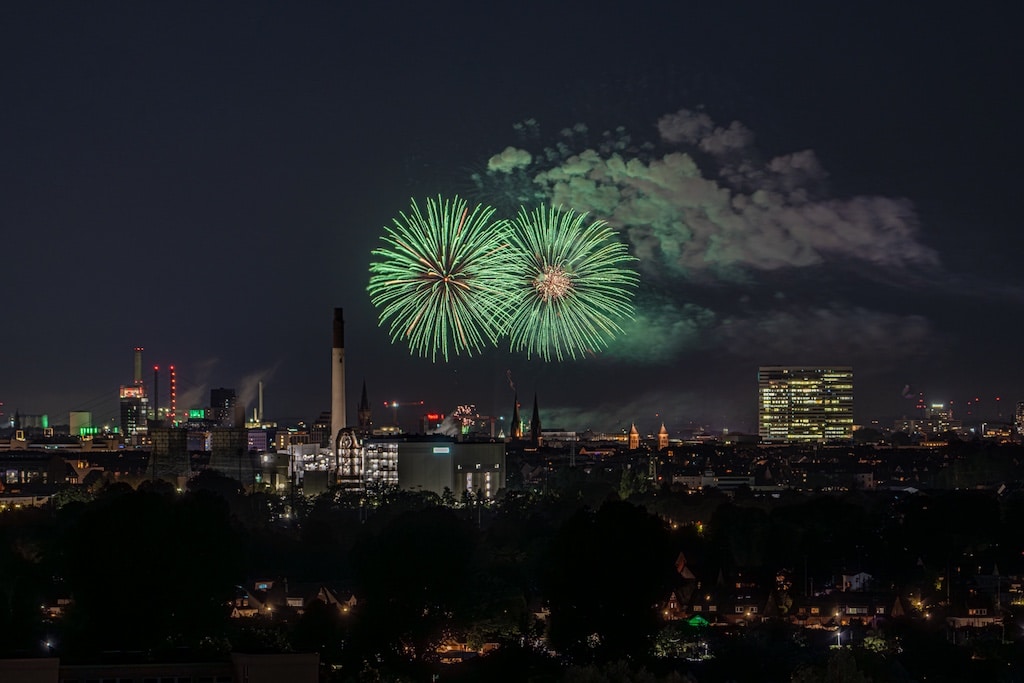
- Nighttime Spectacle: A grand fireworks display that concluded the evening’s festivities, visible from multiple vantage points along the river
What sets Düsseldorf’s Japan Day apart from similar events in other European cities is its seamless integration with the city’s existing cultural infrastructure. The festival takes place in close proximity to Düsseldorf’s “Little Tokyo” district, a permanent Japanese cultural enclave featuring authentic restaurants, shops, and community spaces. This synergy between temporary festival elements and permanent cultural infrastructure creates a unique experience that attracts both long-time enthusiasts and first-time visitors.
The event’s success also reflects Düsseldorf’s strategic positioning as a bridge between European and Asian cultures. As Germany’s sixth-largest city and capital of North Rhine-Westphalia, Düsseldorf serves as a natural hub for international cultural exchanges. The city’s proximity to major transportation hubs and its status as a fashion and business center make it an ideal location for large-scale cultural festivals.
Economic and Social Impact: Beyond the Festival
While the cultural aspects of Japan Day are its most visible feature, the event also has significant economic implications for Düsseldorf. Local businesses report increased foot traffic and sales during the festival period, with hotels, restaurants, and retail shops experiencing substantial boosts in revenue. The city’s tourism board estimates that Japan Day contributes millions of euros annually to the local economy, with visitors often extending their stays to explore Düsseldorf’s other attractions.

Socially, the festival serves as a platform for intercultural dialogue and understanding. Organizers report that many attendees come specifically to learn about Japanese culture, with educational components playing an increasingly important role in the event’s programming. This year featured special sessions on Japanese business etiquette, sustainable urban planning inspired by Japanese cities, and discussions about cultural preservation in the digital age.
For local residents, Japan Day has become an annual community-building event. The city’s diverse population—with significant communities from Japan, Korea, and other Asian countries—uses the festival as an opportunity to celebrate shared cultural heritage while fostering connections across different backgrounds. The event’s organizers have noted particular growth in youth participation, with schools and youth groups organizing special field trips to the festival.
Looking Ahead: The Future of Japan Day Düsseldorf
As Japan Day continues to break attendance records, organizers are exploring ways to sustain this growth while maintaining the festival’s authentic cultural character. Key initiatives under consideration include:
- Expanding educational components to include school curricula integration
- Developing long-term partnerships with Japanese cultural institutions
- Exploring sustainable event practices to reduce environmental impact
- Creating permanent cultural infrastructure in the Little Tokyo district
City officials have indicated that they will be monitoring the festival’s impact on urban infrastructure and public services in preparation for next year’s event. While no official dates have been announced for Japan Day 2027, organizers have suggested that the festival will continue to take place in late May, aligning with Düsseldorf’s favorable spring weather patterns.
How to Experience Japan Day: Practical Information
For those interested in attending future Japan Day celebrations in Düsseldorf, here are some key details:
- Location: Primarily along the Rhine River promenade in Düsseldorf’s city center, with additional activities in the Little Tokyo district
- Transportation: The city’s public transportation system (VRR) offers special festival routes and discounted passes for event attendees
- Accommodation: Hotels in Düsseldorf typically experience high occupancy during Japan Day, with many offering festival packages that include cultural experiences
- Official Updates: The most reliable information can be found on the Düsseldorf Tourism website and the official city portal
The Japan Day Düsseldorf team has also announced plans to develop a digital platform for future events, allowing visitors to access interactive maps, cultural guides, and real-time updates through a mobile application. While this platform is still in development, organizers have expressed enthusiasm about making the festival experience more accessible through technology.
Key Takeaways
- The 23rd Japan Day in Düsseldorf drew an estimated 700,000 visitors, setting a new attendance record for the festival
- The event successfully blended traditional Japanese culture with modern technological innovations
- Japan Day has become an economic driver for Düsseldorf, contributing significantly to local tourism and business revenue
- Organizers are focusing on sustainability and educational components for future events
- The festival serves as a model for intercultural exchange in European cities
As Düsseldorf continues to position itself as a cultural capital of Europe, events like Japan Day play a crucial role in shaping the city’s international identity. For technology enthusiasts, the festival’s integration of cutting-edge Japanese innovations provides a unique opportunity to see how cultural traditions and technological advancements can coexist in modern urban spaces.
The next Japan Day Düsseldorf is not yet scheduled, but visitors can stay informed about future dates and programming by following official channels. In the meantime, Düsseldorf offers numerous other cultural festivals throughout the year, making it a compelling destination for those interested in experiencing the intersection of tradition and innovation.
Have you attended Japan Day Düsseldorf or similar cultural festivals? Share your experiences in the comments below or join the conversation on our social media channels. For more on how cities are leveraging cultural events to drive tourism and economic growth, explore our Tech & Culture section.
Keep reading