As the late spring season transitions into early summer, Belgium is currently experiencing a period of sustained high temperatures and clear skies. Meteorologists have observed a pattern of warm weather that began over the weekend and is expected to continue through the early part of the week, with inland areas seeing temperatures climb toward the 30-degree Celsius mark.
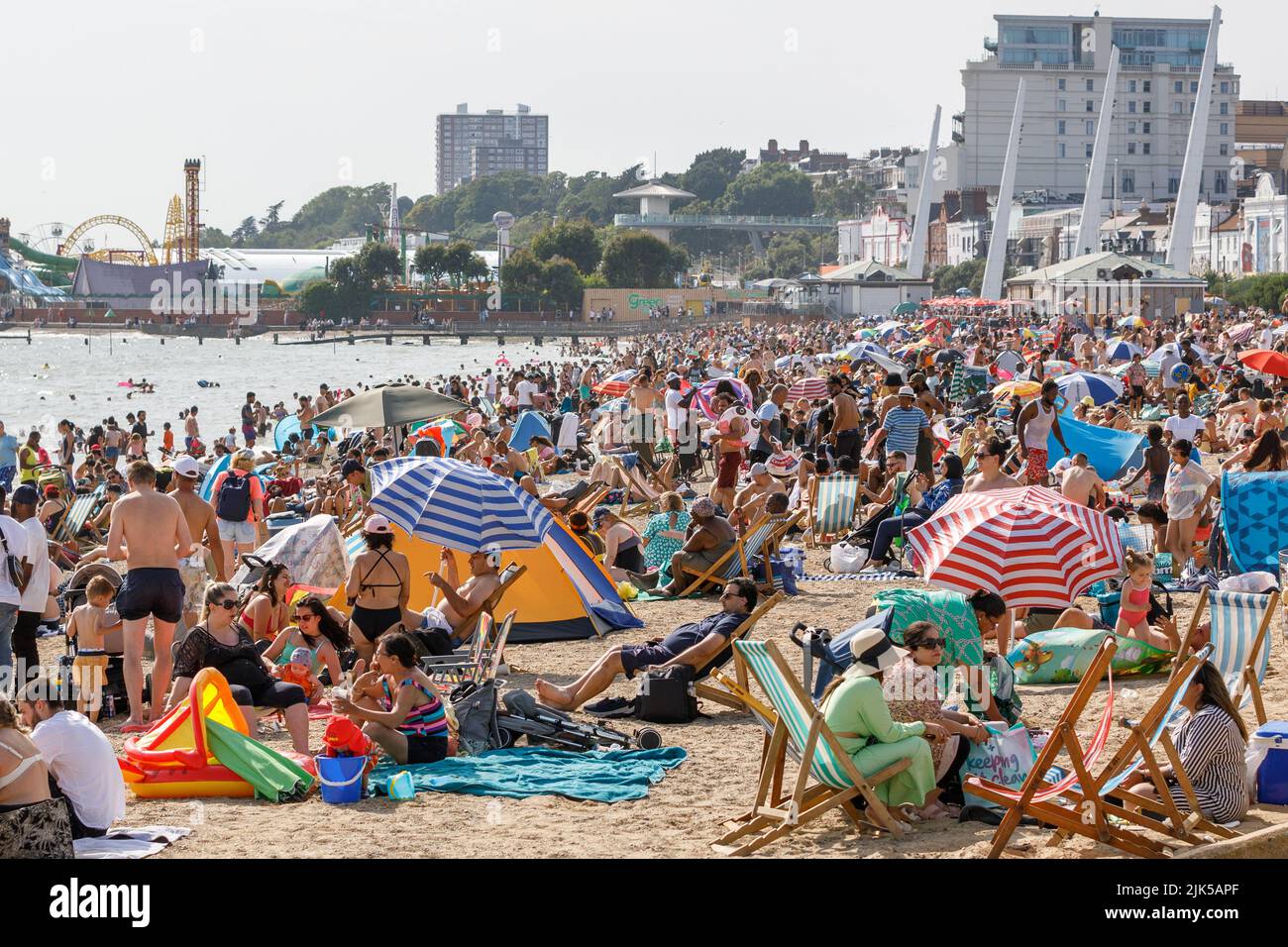
This weather shift has prompted a significant increase in outdoor activity across the country. Public recreational areas, such as the Blaarmeersen in Ghent, have reported high demand, while large-scale events, including the Extrema Outdoor festival, have drawn thousands of attendees eager to enjoy the unseasonably warm conditions. These temperatures, which are reaching levels often associated with peak summer, represent a notable departure from historical seasonal averages for late May in the region.
Understanding the Current Heat Pattern
The current meteorological conditions are characterized by a stable high-pressure system, which has brought dry, sunny, and increasingly warm air to Northwestern Europe. According to the Royal Meteorological Institute of Belgium, such periods of sustained heat during the transition to summer are closely monitored to determine if they meet the technical criteria for a heatwave. A heatwave in Belgium is officially defined as a period of at least five consecutive days where the maximum temperature reaches at least 25°C, with at least three of those days reaching 30°C or higher.
The impact of these rising temperatures is felt acutely in urban centers. The “urban heat island” effect—where concrete and asphalt trap heat—can cause city temperatures to remain significantly higher than those in surrounding rural landscapes, particularly during the evening hours. Public health authorities typically advise citizens to stay hydrated and seek shade during the peak sunlight hours of 12:00 PM to 4:00 PM to mitigate the risks of heat-related exhaustion.
Public Response and Seasonal Activity
For many residents, the arrival of warm weather serves as a trigger for the commencement of the outdoor recreation season. The surge in attendance at public swimming zones and outdoor festivals highlights a collective shift in social behavior as temperatures rise. However, the intensity of this heat has also sparked broader discussions regarding the frequency of extreme weather events.
Climate experts have noted that while individual weather events cannot always be attributed directly to climate change, the increasing frequency and intensity of such heat episodes in Western Europe are consistent with broader scientific projections for the region. The European Environment Agency provides comprehensive data on how climate change affects European countries, including trends in temperature extremes and the associated risks for public health and infrastructure.
Safety and Official Guidance
As the warm weather persists, local municipalities and health services are shifting focus toward safety and resource management. This includes managing crowd control at popular recreational sites and ensuring that emergency services are prepared for an increase in heat-related medical calls. Residents are encouraged to consult official local government channels for specific advisories regarding water quality at recreational lakes or potential fire risks in forested areas, which can increase rapidly during dry, hot spells.
For those planning outdoor activities, monitoring the official weather forecasts is the most reliable way to receive updates on temperature fluctuations and potential storm risks that can sometimes follow a heat spell. Authorities also remind the public to pay extra attention to vulnerable populations, including the elderly and those with underlying health conditions, who are more susceptible to the physiological stresses caused by prolonged heat.
Key Considerations for the Coming Days
- Hydration: Maintain consistent water intake throughout the day, even if you do not feel thirsty.
- Sun Protection: Use high-SPF sunscreen and wear protective clothing if spending extended periods outdoors.
- Infrastructure: Be aware that public facilities may reach capacity quickly; check local municipal websites before traveling to popular recreational destinations.
- Updates: Follow verified government meteorological services for the most accurate, real-time data on temperature warnings.
The current forecast indicates that the trend of high temperatures may continue into the mid-week period. We will continue to monitor official reports from the Royal Meteorological Institute of Belgium and other relevant environmental bodies. Please share your thoughts on how this early summer heat is affecting your local area in the comments section below.
Keep reading