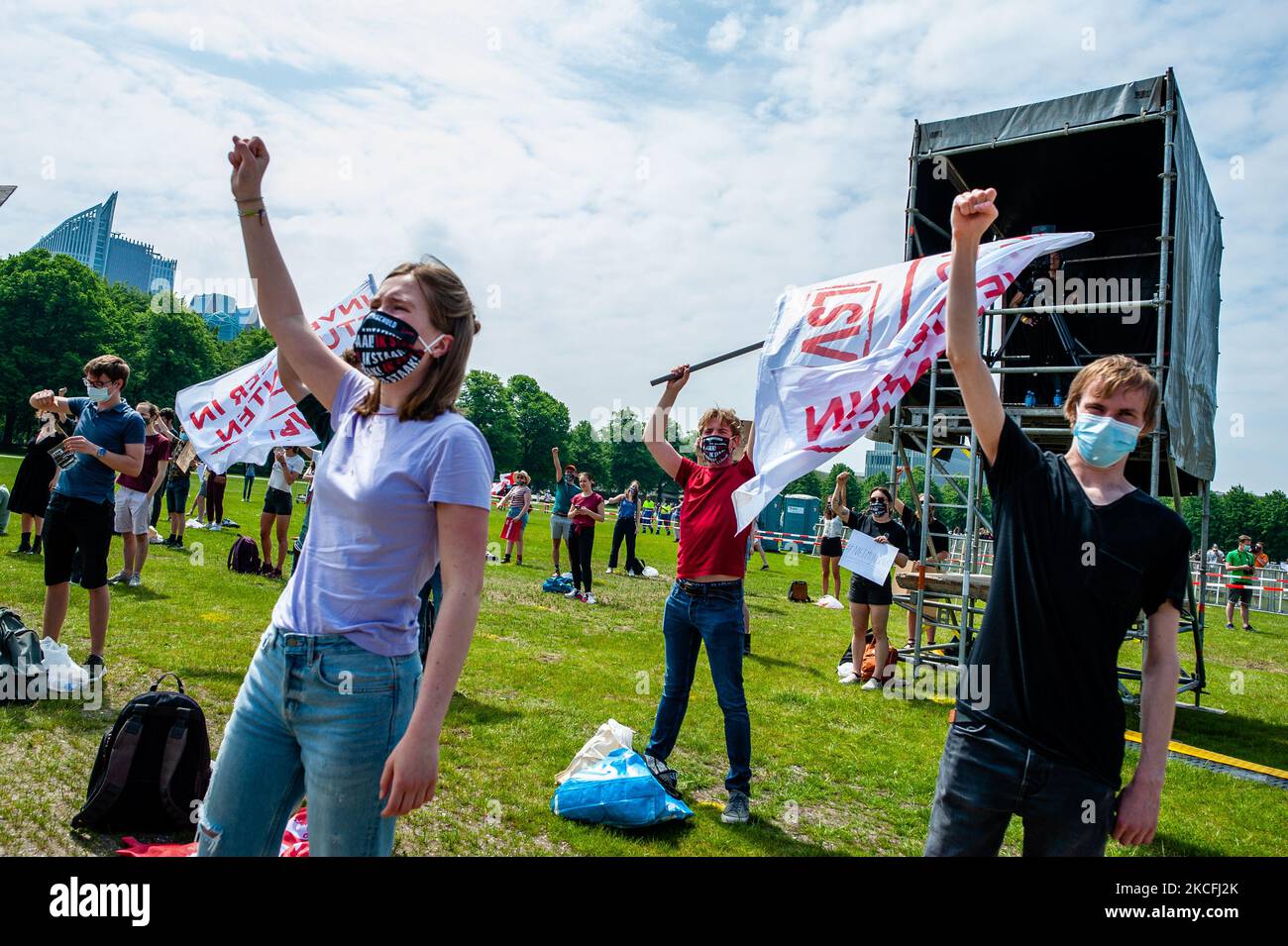
General practitioners across the Netherlands have initiated a series of rolling strikes, known as “estafettestakingen,” to protest what they characterize as unsustainable financial pressures and inadequate compensation within the primary healthcare sector. These organized actions, which involve localized walkouts and reduced availability, reflect deepening tensions between primary care providers and the Dutch government regarding the funding models that dictate their operational capacity.
The core of the dispute lies in the current tariff structure, which many family doctors argue no longer covers the rising costs of running a practice. According to the Landelijke Vereniging van Huisartsen (LVH), the national association representing these practitioners, the financial framework fails to account for the increased complexity of patient care, administrative burdens, and the inflationary pressure on overhead expenses. These practitioners maintain that current rates are insufficient to ensure the long-term viability of small-scale, community-based medical practices.
Financial Pressures on Dutch General Practitioners
The decision to hold rolling strikes follows prolonged negotiations over the structural funding of primary care. Family doctors, or huisartsen, are the bedrock of the Dutch healthcare system, serving as the primary point of contact for patients. However, representative bodies have reported that the gap between the actual costs of providing high-quality care and the reimbursement rates set by the Nederlandse Zorgautoriteit (NZa)—the Dutch Healthcare Authority—has widened significantly in recent years.
The NZa periodically reviews and sets the maximum rates for healthcare services, including those provided by general practitioners. Practitioners contend that these rate adjustments have consistently lagged behind the actual costs of staffing, rent, and digital health infrastructure. The resulting financial strain, they argue, limits their ability to hire necessary support staff and contributes to burnout, a growing concern within the medical profession that has been documented in various industry assessments of the Dutch healthcare workforce.
The Mechanics of the Rolling Strike
Unlike a nationwide, total work stoppage, the estafettestaking strategy is designed to signal dissatisfaction while maintaining essential services for urgent cases. By rotating the strike action across different regions of the country, the organizers aim to draw sustained attention to their demands without causing a total collapse of primary care access for the general population. This method allows doctors to demonstrate the critical nature of their work while simultaneously highlighting the risks of a systemic failure should their financial concerns remain unaddressed.
Patient safety remains the primary priority during these actions. In line with established medical ethics and professional guidelines, participating practices have ensured that emergency care remains available. Patients are generally advised to consult their local practice websites or regional out-of-hours services (huisartsenposten) for specific guidance on how their care might be affected during the designated strike days in their area.
Stakeholder Perspectives and the Path Forward
The Dutch Ministry of Health, Welfare, and Sport, which oversees broader healthcare policy, has acknowledged the concerns raised by the medical community. However, resolving the impasse involves balancing the demands of practitioners against the constraints of the national healthcare budget, which is funded through a combination of mandatory insurance premiums and government subsidies. The Ministry of Health, Welfare, and Sport continues to engage in discussions regarding the future of primary care funding, though a definitive long-term agreement that satisfies the demands for higher tariffs has yet to be reached.
For the general public, the primary impact of these strikes is potential disruption to non-urgent appointments, such as routine check-ups or administrative inquiries. The situation remains fluid, and representative organizations for family doctors have indicated they will continue to escalate their actions if subsequent budget negotiations do not result in a more sustainable financial outlook for their practices. Stakeholders expect further updates as upcoming discussions between the medical associations and government regulators take place, with the next formal review of healthcare tariffs serving as a critical checkpoint for the sector.
Readers seeking clarity on how their specific region is affected should monitor official communications from their own general practice or local health authorities. We encourage readers to share their experiences or questions regarding the impact of these developments on local healthcare access in the comments section below.
Related reading