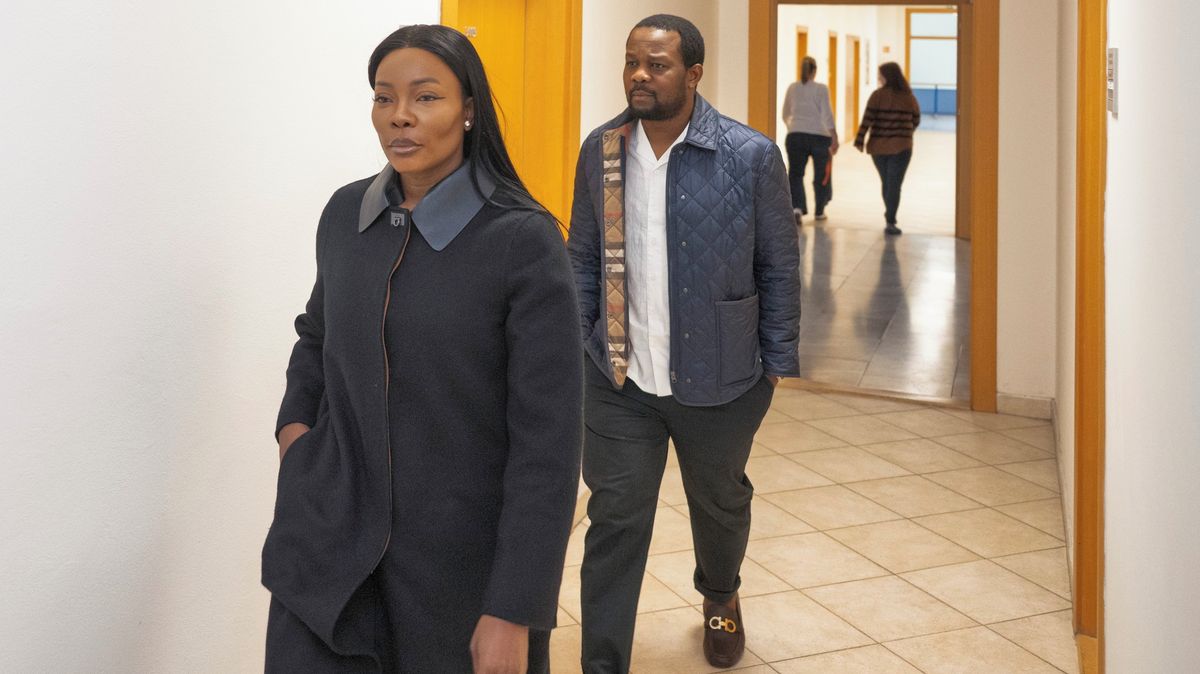
The ownership of Nneka Ede SK Dynamo České Budějovice has become a focal point of tension between private international investment and local government interests. Reports indicate that the Nigerian entrepreneur has firmly declined an offer from the city of České Budějovice to purchase the football club, leaving the organization at a critical crossroads regarding its financial future and its home ground.
This standoff comes at a time when the club’s relationship with the city and the South Bohemian Region has grown strained. The local administration has sought to bring the club under municipal control, but Ede’s refusal to sell has created a deadlock that threatens the club’s stability, particularly concerning its continued use of the Střelecký ostrov stadium.
As a senior editor based in Lisbon, I have seen various iterations of the “investor vs. City” narrative across Europe, but the situation in the Czech Republic is particularly striking due to the trailblazing nature of the owner. Nneka Ede is not merely a financier; she is a figure who has actively sought to bridge the gap between African entrepreneurship and European sports management.
Nneka Ede: A Trailblazer in European Football
To understand the current conflict, one must look at the trajectory of Nneka Ede. Born on May 16, 1982, Ede has established herself as a prominent Nigerian entrepreneur with a specific interest in the European sporting landscape Nneka Ede Biography.
Her entry into European football was marked by her association with the Portuguese club Lusitano G.C. Although some reports suggested she acted on behalf of a company, she is widely recognized as the first Nigerian woman reported to own a European football club. During her tenure with the Portuguese side, she expressed a clear vision: to deepen sporting relations between Nigeria and Portugal and to create a developmental pathway for young talent to shine on a global stage.
This ambition extended to the Czech Republic. After being mentioned as a potential bidder for SK Dynamo České Budějovice, the club’s ownership transitioned through an international investment group. However, the ambiguity regarding the ultimate beneficiary ended on August 1, 2025, when Nneka Ede introduced herself as the sole owner of the club SK Dynamo Ownership Confirmation.
The Standoff With the City of České Budějovice
The current friction stems from a fundamental disagreement over how the club should be managed and who should hold the keys to its future. The city of České Budějovice and representatives of the South Bohemian Region have attempted to negotiate a buyout, viewing municipal ownership as a way to ensure the club’s long-term survival and community integration.
However, Ede has reportedly responded sharply to these overtures. On October 13, 2025, reports emerged detailing her reaction to the statements made by city and regional representatives, signaling her intent to maintain control of the entity Ede’s Response to City Officials.
This refusal has placed the club in a precarious position. In European football, the relationship between a club and its stadium is often the most volatile element of its operations. For SK Dynamo, the Střelecký ostrov stadium is more than just a pitch; We see a community landmark. With the city refusing to facilitate a long-term arrangement under private ownership and the owner refusing to sell, the club faces the very real possibility of being forced to exit its historic home.
What In other words for the Club and Its Fans
The impact of this ownership dispute extends beyond the boardroom and into the stands. For the supporters, the uncertainty is palpable. The “crossroads” the club currently faces can be summarized by two stark possibilities:
- Municipal Transition: A sale to the city would likely secure the stadium lease and provide a safety net of public funding, but it would end the era of private international investment.
- Private Independence: Maintaining Ede’s ownership preserves the club’s status as a private enterprise with international links, but it risks a displacement from Střelecký ostrov if a lease agreement cannot be reached.
From a sports analytics perspective, the stability of a club’s home ground is directly tied to its ability to attract sponsors and maintain a consistent match-day revenue stream. A move away from their established base could result in a dip in attendance and a loss of local identity, which is often the heartbeat of Czech football.
Broader Implications for Sports Investment
The case of Nneka Ede and SK Dynamo České Budějovice is a microcosmic example of a larger trend in global sports: the collision of international capital with local heritage. When an entrepreneur from Nigeria invests in a club in South Bohemia, it brings global visibility and a different philosophy of talent development. However, it can also create a cultural and political clash with local authorities who view the club as a public utility rather than a private asset.
Ede’s experience with Lusitano G.C. In Portugal suggests she is accustomed to navigating these complex waters. Her goal has consistently been to provide pathways for talent, but in České Budějovice, that vision is currently being obstructed by a political battle over ownership and land use.
| Date | Event | Significance |
|---|---|---|
| August 1, 2025 | Sole Ownership Announcement | Nneka Ede officially identifies as the only owner of the club. |
| October 13, 2025 | Response to City/Region | Ede reacts to proposals and statements from local government representatives. |
| Current Status | Ownership Standoff | Club remains privately owned; stadium lease remains unresolved. |
Key Takeaways for Stakeholders
- Ownership Status: Nneka Ede remains the sole owner of SK Dynamo České Budějovice and has declined offers to sell to the city.
- Stadium Risk: The club’s future at Střelecký ostrov is uncertain due to the breakdown in negotiations between the owner and the municipality.
- Investment Profile: Ede’s ownership represents a rare instance of a Nigerian woman owning a European football club, following her previous involvement in Portugal.
- Political Tension: The dispute highlights the conflict between municipal desire for public control and the rights of private international investors.
The resolution of this conflict will likely depend on whether the city of České Budějovice is willing to compromise on the stadium lease without requiring ownership of the club, or if Ede finds a middle ground that satisfies the local government’s concerns about the club’s stability.
The next confirmed checkpoint for this story will be the official determination regarding the club’s lease at the Střelecký ostrov stadium, as the city council continues to evaluate its options for the site. We will continue to monitor the filings and official statements from both the South Bohemian Region and the club’s management.
Do you believe football clubs should be owned by the cities they represent, or does private international investment bring more value to the sport? Share your thoughts in the comments below.
Related reading