
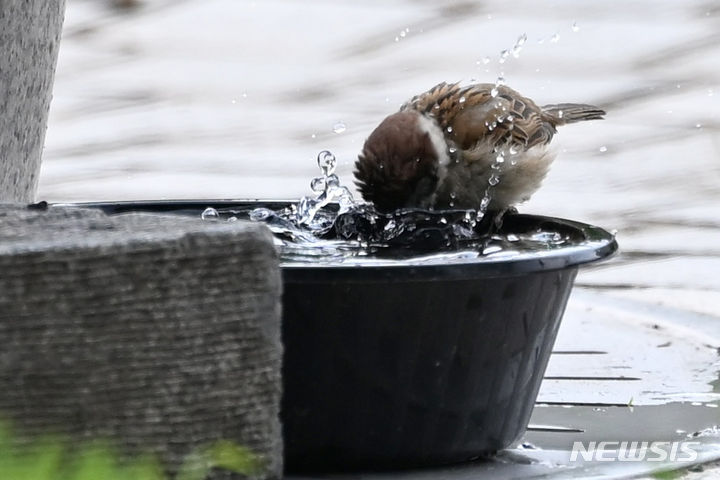
Residents across South Korea are experiencing a jarring transition from spring to summer as unseasonably high temperatures grip the peninsula this week. In a departure from typical mid-May weather patterns, several regions have already crossed the 30°C (86°F) threshold, prompting health officials to issue urgent warnings regarding heat-related illnesses.
The surge in temperature has caught many by surprise, with citizens in major metropolitan areas and southern provinces reporting a sudden need for summer attire. While May is traditionally a month of mild temperatures and blooming flora, the current atmospheric conditions have created a “summer-like” environment weeks ahead of schedule, raising concerns about the health of vulnerable populations and the stability of early-season agriculture.
According to data from the Korea Meteorological Administration (KMA), the heat is most pronounced in the southern and central regions. The Gwangju and Jeonnam areas have seen daytime highs reach 31°C, while the inland heat of Daegu has pushed temperatures even higher, hitting peaks of 33°C. Even the capital, Seoul, has not been immune, with temperatures climbing to 31°C, creating a widespread heat event across the country.
Regional Temperature Spikes and Weather Anomalies
The current heatwave is not isolated to a single province but is instead a broad geographic phenomenon. In the southern regions of Gwangju and Jeonnam, the rapid climb to 31°C has created a stark contrast with the morning lows, which have hovered between 11°C and 16°C. This significant diurnal temperature range can be particularly taxing on the human body, as it struggles to adapt to rapid thermal shifts within a single 24-hour cycle.

Further inland, the city of Daegu—long known as one of Korea’s hottest cities due to its basin topography—has recorded temperatures as high as 33°C. This elevation in heat is characteristic of the “basin effect,” where hot air becomes trapped, intensifying the feeling of oppressive warmth. In the Gyeongbuk region, temperatures have similarly fluctuated between 25°C and 33°C, maintaining a consistent pattern of high-intensity solar radiation throughout the day.
In Seoul and the surrounding Gyeonggi province, the 31°C peak is compounded by the urban heat island effect. The concentration of concrete, asphalt and industrial activity in the capital prevents heat from escaping, meaning that nighttime temperatures remain higher than in rural areas. This prevents the environment from cooling down sufficiently, increasing the risk of cumulative heat stress for urban residents.
Understanding the Risks of Heat-Related Illnesses
With temperatures exceeding 30°C so early in the season, health authorities are emphasizing the danger of heat-related illnesses, also known as thermal distress. Because the body has not yet acclimated to summer heat, the risk of sudden onset hyperthermia is higher than it would be in July or August.
Medical professionals distinguish between several types of heat-related conditions that citizens should monitor:
- Heat Exhaustion: Characterized by heavy sweating, rapid pulse, dizziness, and fatigue. This occurs when the body loses excessive water and salt.
- Heatstroke: A more severe, life-threatening condition where the body’s core temperature rises above 40°C (104°F). Symptoms include confusion, lack of sweating despite the heat, and potential loss of consciousness.
- Heat Syncope: A fainting episode or dizziness that occurs due to overheating and peripheral vasodilation.
The Korea Disease Control and Prevention Agency (KDCA) typically advises the public to maintain rigorous hydration and avoid outdoor activities during the peak heat hours of 12:00 PM to 5:00 PM. For elderly citizens and those with pre-existing cardiovascular conditions, these temperature spikes can exacerbate underlying health issues, making the current weather a matter of public safety rather than mere inconvenience.
Practical Guidance for Managing Early Summer Heat
To mitigate the risks associated with this unseasonable heat, experts recommend a proactive approach to temperature management. Staying hydrated is the most critical defense; drinking water even before feeling thirsty helps maintain the body’s cooling mechanisms.
For those working outdoors or spending significant time in the sun, the following safety measures are recommended:
- Wear Lightweight Clothing: Opt for light-colored, loose-fitting fabrics that allow the skin to breathe and reflect sunlight.
- Seek Shade and Ventilation: Utilize air-conditioned spaces or shaded areas frequently to lower the core body temperature.
- Monitor Vulnerable Individuals: Check on elderly neighbors and children, who are less efficient at regulating body temperature.
- Avoid Heavy Meals: Large, protein-rich meals can increase metabolic heat production, potentially making one feel warmer.
Public facilities and community centers in affected regions are encouraged to operate “cooling centers” to provide relief for those without access to air conditioning at home, a strategy often deployed by local governments during official heatwave warnings.
Climate Context: Why This Matters
The occurrence of 30°C+ temperatures in mid-May is an anomaly that points to broader climatic shifts. Typically, the transition from spring to summer in the Korean Peninsula is gradual. A sudden spike of this magnitude suggests a stronger-than-usual influence of warm air masses moving up from the south, potentially linked to shifting high-pressure systems over the Pacific.

This early heat has implications beyond human health. In the agricultural sector, premature warmth can trigger early flowering in fruit trees. If a sudden cold snap follows this heat—a common occurrence in volatile spring weather—the blossoms can be destroyed, leading to significant crop failures for the season. Farmers in the Jeonnam and Gyeongbuk regions are particularly sensitive to these fluctuations, as they manage some of the country’s most productive orchards and fields.
the ecological balance is disrupted when the “biological clock” of plants and insects is accelerated. Early heat can lead to premature insect hatching, which may outpace the emergence of their natural predators, potentially leading to pest outbreaks that require increased chemical intervention.
Key Takeaways for Residents and Travelers
For those currently in South Korea or planning to visit the Gwangju, Seoul, or Daegu areas, the following summary provides the essential points of the current weather event:
- Temperature Peaks: Highs are reaching 31°C in Seoul and Gwangju, and up to 33°C in Daegu.
- Primary Risk: High susceptibility to heat exhaustion and heatstroke due to lack of seasonal acclimation.
- Critical Window: Avoid direct sun exposure between 12:00 PM and 5:00 PM.
- Action Plan: Prioritize hydration, wear breathable clothing, and monitor elderly family members.
As the weekend approaches, the forecast indicates that high temperatures will persist. The persistence of this heat suggests that the “summer” atmosphere has arrived prematurely, requiring a shift in daily routines and health precautions usually reserved for the peak of July.
The next official weather update and potential heat advisory extensions will be released by the Korea Meteorological Administration on Saturday morning. Residents are encouraged to monitor local alerts and adjust their outdoor schedules accordingly.
Do you have tips for staying cool during unexpected heatwaves? Share your experiences in the comments below or share this article with friends and family traveling in South Korea.