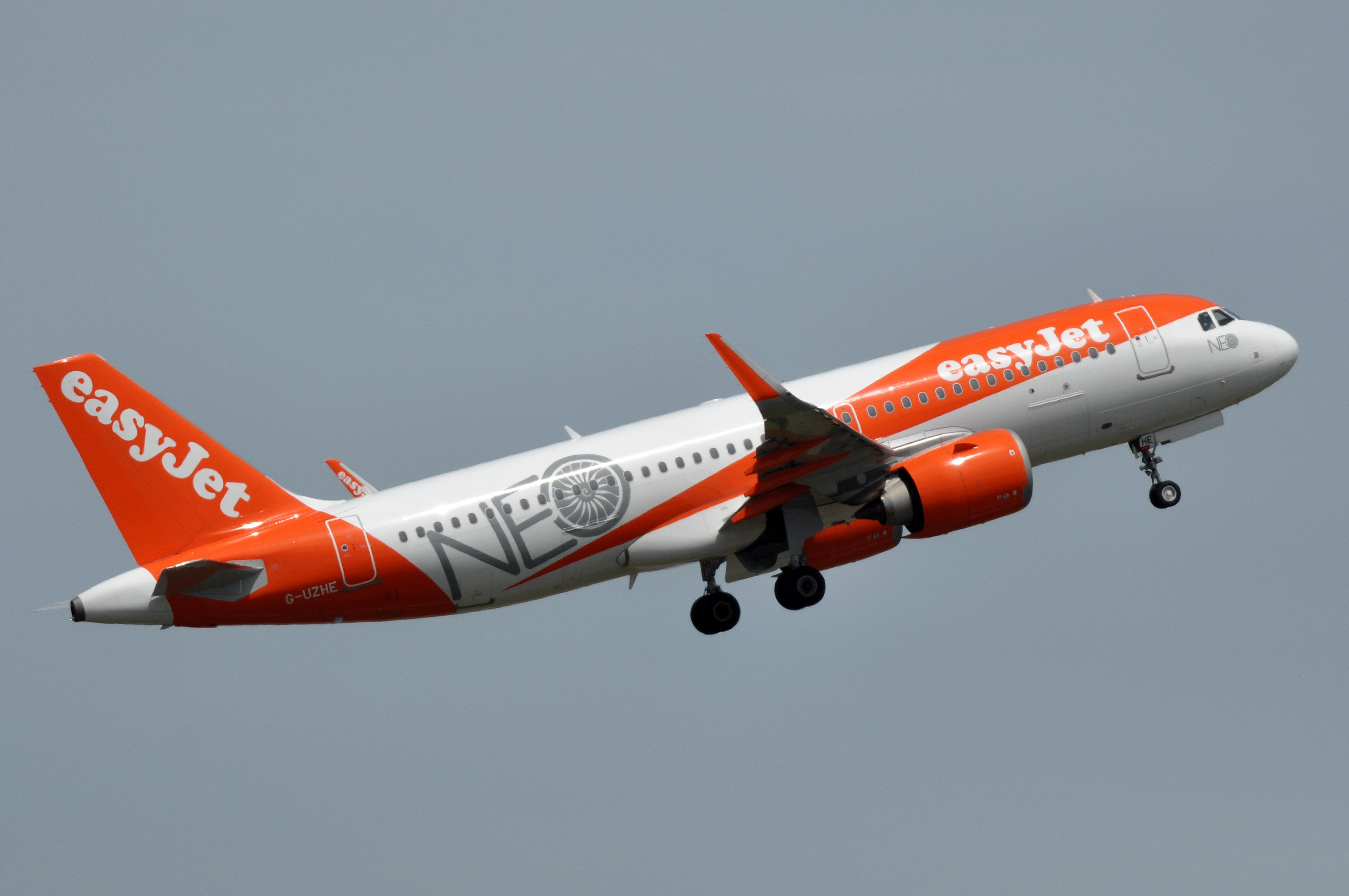
EasyJet’s board of directors has formally recommended that shareholders accept a takeover bid from the investment firm Castlelake, following a series of rejected proposals. The agreement, which values the airline at approximately $7.3 billion, represents a 73% premium over recent market valuations, according to official company disclosures. This decision follows four previous attempts by Castlelake to acquire the carrier, all of which the board previously dismissed as “opportunistic” attempts to capitalize on share price volatility linked to regional geopolitical instability.
Evaluating the Shift in Board Sentiment
The transition from rejection to recommendation marks a significant pivot for the easyJet leadership team. Throughout the preceding months, the airline’s stock performance faced downward pressure, a trend observers attributed to the broader economic impact of the conflict in the Middle East. According to financial analysis provided by the Financial Times, the board had maintained that earlier offers failed to reflect the intrinsic, long-term value of the airline’s infrastructure and market position.
The fifth bid, however, met the board’s threshold for fair valuation. By securing a 73% premium, the directors signaled to investors that the offer adequately accounts for the company’s recovery trajectory and its competitive standing in the European low-cost carrier market. Details regarding the specific terms of the easyJet board’s fiduciary obligations during this process are expected to be outlined in the upcoming shareholder circular.
Geopolitical Factors and Market Valuation
The core of the dispute between the board and Castlelake centered on how to account for external shocks to the aviation sector. The airline’s share price had experienced notable fluctuations as investors weighed the risks of rising fuel costs and dampened consumer demand in the wake of regional conflicts. The board’s initial characterization of the bids as “opportunistic” reflected a belief that Castlelake was attempting to acquire the airline’s assets at a “distressed” price point.

Market data indicates that the aviation industry remains sensitive to such volatility, with Reuters reporting that airline stocks often face disproportionate sell-offs during periods of geopolitical uncertainty. The eventual agreement suggests that Castlelake adjusted its financial modeling to account for these risks, offering a premium that the board deemed acceptable in the current economic climate.
What Happens Next for Shareholders
With the board’s recommendation now public, the focus shifts to the shareholder vote. Under standard corporate governance procedures, the acquisition requires approval from a majority of shareholders to proceed. The company has indicated that it will provide a timeline for the extraordinary general meeting where the proposal will be put to a formal vote.

Investors are currently awaiting the release of the formal offer document, which will contain detailed information on the conditions of the sale, the future of the current management team, and any regulatory hurdles that must be cleared before the transaction can be finalized. Regulatory oversight remains a critical factor in aviation mergers, particularly regarding competition law within the European Union and the United Kingdom. Interested parties can monitor the London Stock Exchange announcements for the official publication date of the circular and subsequent voting deadlines.
The board has advised shareholders to take no action until they have reviewed the formal documents in their entirety. Future updates regarding the status of the acquisition and the date of the shareholder meeting will be published through the official company investor relations portal. We will continue to track this development as further regulatory filings become available.
Readers are encouraged to share their perspectives on this development in the comments section below. For ongoing updates on this acquisition and other developments in global aviation, follow our World section coverage.