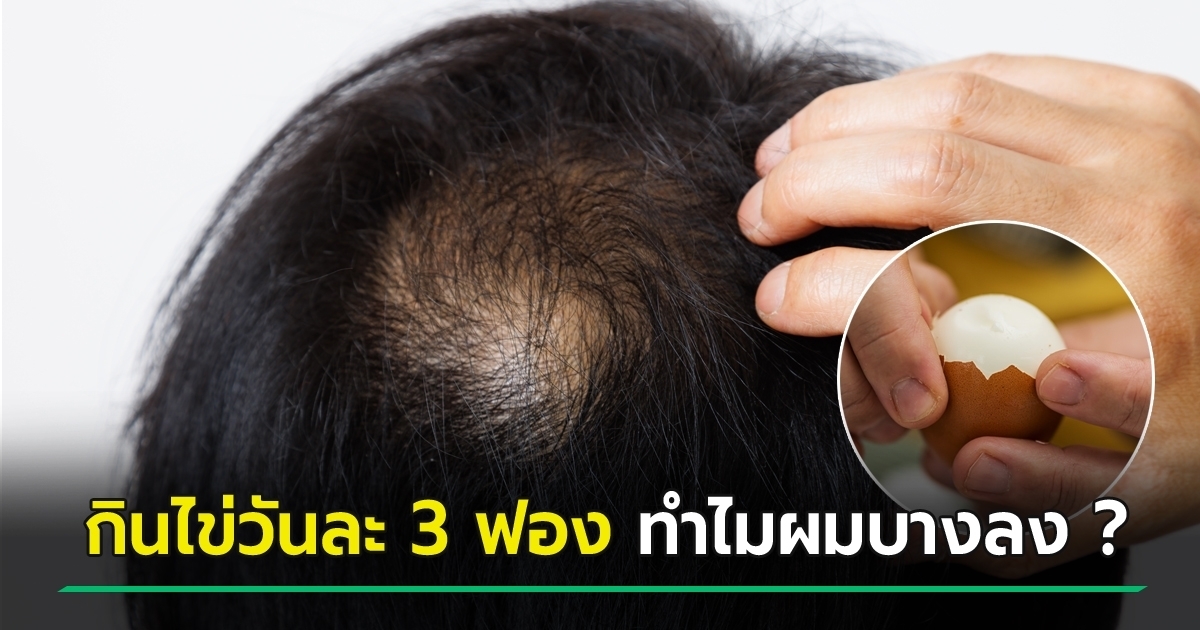
When a viral story emerged from Taiwan suggesting that eating three eggs daily could lead to thicker hair, it quickly captured global attention. The claim, attributed to a dermatologist and hair transplant specialist named Dr. Ge Bo-huan, spread rapidly across social media and health forums. Yet, medical professionals have since cautioned against interpreting this anecdotal observation as medical advice, emphasizing that excessive egg consumption may carry unintended health consequences despite its protein-rich profile.
The narrative gained traction after being reported by CTWANT, a Taiwanese news outlet, which detailed Dr. Ge’s warning about potential risks associated with high egg intake. While eggs are a valuable source of nutrients like biotin and protein—both vital for hair health—the doctor highlighted three specific concerns that could undermine any perceived benefits. These points were not presented as a endorsement of the practice but rather as a cautionary note about overconsumption.
To understand the validity of such claims, it’s essential to examine the nutritional science behind eggs and hair growth. Hair follicles are among the fastest-growing tissues in the human body, requiring a steady supply of amino acids, vitamins, and minerals. Eggs do contribute significantly to protein intake and contain biotin (vitamin B7), a nutrient often linked to keratin production. However, biotin deficiency is rare in individuals with balanced diets, and surplus amounts are typically excreted rather than utilized.
According to verified health authorities, excessive consumption of any single food—even nutrient-dense ones like eggs—can disrupt dietary balance. The National Institutes of Health Office of Dietary Supplements notes that while biotin supports metabolic functions, there is no established Recommended Dietary Allowance (RDA) due to insufficient evidence of deficiency in healthy populations consuming varied diets. Instead, Adequate Intake (AI) levels are set at 30 micrograms per day for adults, an amount easily obtained through standard meals without needing to consume multiple eggs daily.
One of the primary concerns raised by Dr. Ge involves cholesterol intake. A single large egg contains approximately 186 milligrams of dietary cholesterol, meaning three eggs would exceed 550 mg—well above the previous daily limit of 300 mg recommended by major health organizations. Although recent American Heart Association guidelines have shifted focus toward overall dietary patterns rather than strict cholesterol caps, they still advise moderation, particularly for individuals with cardiovascular risk factors or familial hypercholesterolemia.
Another issue highlighted was the potential for digestive discomfort. Consuming large quantities of eggs in a short period may lead to bloating, gas, or indigestion in some individuals, especially those with sensitivities to egg proteins or underlying gastrointestinal conditions. While not universally experienced, such symptoms can affect nutrient absorption and overall well-being, indirectly impacting hair health if the body is under stress.
The third point of concern relates to dietary displacement. When someone focuses heavily on one food item—such as eating three eggs daily—they may inadvertently reduce intake of other essential food groups like fruits, vegetables, whole grains, and legumes. This imbalance could lead to deficiencies in antioxidants, fiber, and phytonutrients that support scalp health and reduce inflammation, both of which are increasingly recognized as important in maintaining healthy hair follicles.
It’s also important to clarify the context of the original report. The story did not originate from a clinical study or peer-reviewed research but rather from an interview or public statement by a medical professional discussing anecdotal observations. As such, it falls under the category of expert opinion rather than evidence-based medical guidance. Reputable dermatology associations, including the American Academy of Dermatology, emphasize that hair loss treatments should be grounded in clinical trials and individualized assessments, not viral trends.
For individuals concerned about hair thinning, experts recommend consulting a board-certified dermatologist or trichologist who can evaluate potential causes such as hormonal imbalances, nutritional deficiencies, autoimmune conditions, or genetic predispositions. Diagnostic tools like blood tests, scalp examinations, and, in some cases, biopsies may be used to identify underlying issues before recommending treatments ranging from topical minoxidil to prescription medications or low-level laser therapy.
Meanwhile, public health officials continue to promote balanced eating patterns as the foundation of long-term wellness. Dietary guidelines from sources like the U.S. Department of Agriculture and Department of Health and Human Services encourage variety, nutrient density, and portion control across all food groups. Eggs can certainly be part of a healthy diet—often recommended as a breakfast staple due to their satiety and nutrient profile—but they are most beneficial when consumed as part of a diverse meal plan rather than in isolation.
while the idea of achieving thicker hair through a simple dietary change is appealing, current scientific understanding does not support eating three eggs daily as a reliable or safe method for promoting hair growth. The claims circulating online lack robust clinical validation and overlook potential downsides of excessive consumption. As with many health trends that gain traction online, the wisest approach remains seeking advice from qualified healthcare providers who can offer personalized, evidence-based recommendations.
Readers are encouraged to share their experiences with nutrition and hair health in the comments section below and to spread awareness by sharing this article with others who may encounter similar claims online. Staying informed through credible sources helps protect against misinformation while promoting habits that support genuine well-being.
Worth a look