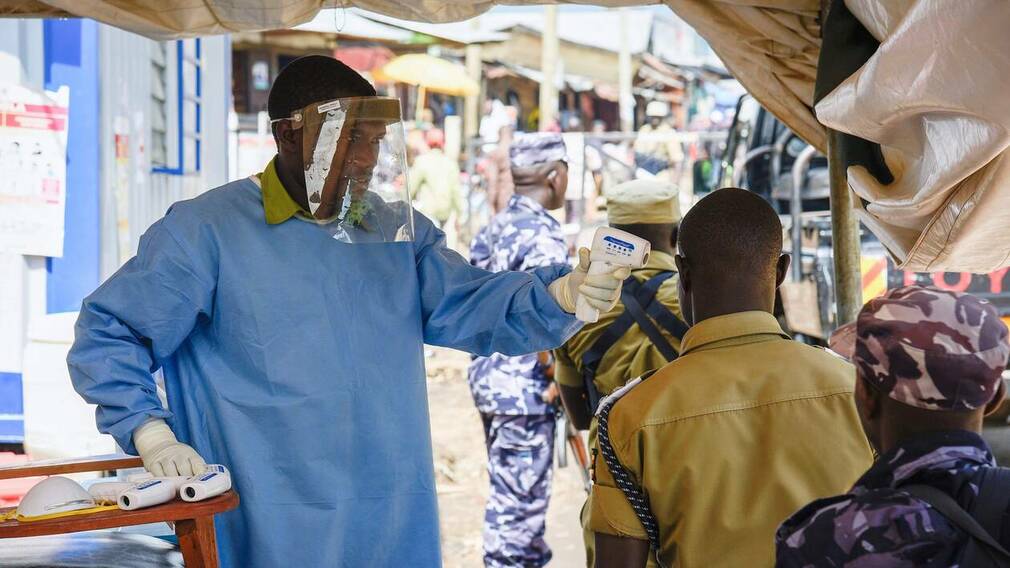
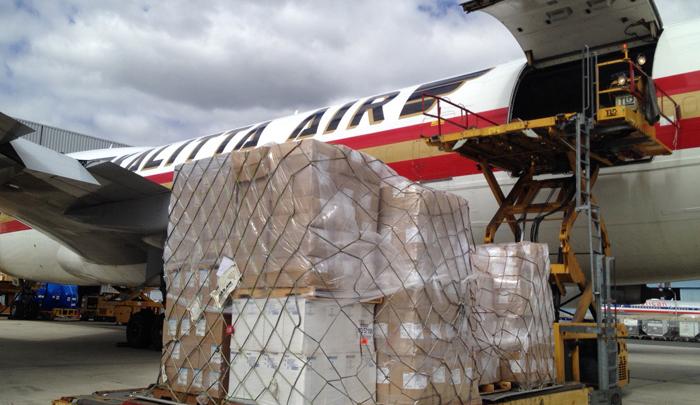
Berlin, Germany — May 20, 2026 — In a swift response to a rapidly escalating Ebola outbreak in the Democratic Republic of the Congo (DRC), the World Health Organization (WHO) has delivered 18 tons of critical medical supplies and equipment to 30 health centers and 15 hospitals across three districts. The shipment, coordinated by the WHO Regional Office for Africa, aims to bolster frontline healthcare capacity as the rare Bundibugyo ebolavirus strain spreads across the region, prompting global health authorities to declare the situation a Public Health Emergency of International Concern (PHEIC).
The outbreak, which has crossed into neighboring Uganda, marks the first time the Bundibugyo strain has been detected in the DRC since its initial identification in Uganda in 2007. Unlike the more commonly studied Zaire ebolavirus (responsible for past deadly epidemics in West Africa), the Bundibugyo strain has historically caused fewer fatalities but remains highly contagious. The WHO’s urgent dispatch of supplies—including personal protective equipment (PPE), diagnostic kits, and intravenous fluids—reflects growing concerns over the virus’s rapid transmission and the lack of approved vaccines or treatments for this specific strain.
“The speed and scale of this outbreak demand an immediate, coordinated response,” stated a WHO spokesperson in a recent emergency update. While the DRC has experience battling Ebola—having contained previous outbreaks with the help of experimental vaccines—the absence of a licensed treatment for Bundibugyo complicates containment efforts. Health officials warn that delays in isolating cases and tracing contacts could exacerbate the crisis, particularly in densely populated areas near the DRC-Uganda border.
Why This Outbreak Raises Global Alarm
The declaration of a PHEIC—the highest alert level under international health law—signals that the WHO believes the outbreak poses a serious risk beyond national borders. Key factors contributing to the urgency include:

- Cross-border transmission: Confirmed cases in Uganda, where the Bundibugyo strain was first identified, now threaten regional stability. The DRC’s porous borders and active conflict zones further complicate containment.
- Diagnostic challenges: The Bundibugyo strain requires specialized lab confirmation, delaying early detection and isolation—a critical step in controlling Ebola’s spread.
- Health system strain: The DRC’s healthcare infrastructure, already weakened by years of conflict and underfunding, faces overwhelming demand as cases surge.
- Travel and trade risks: While Ebola does not spread through casual contact, the virus’s high fatality rate (historically up to 80% for some strains) and lack of treatment options heighten fears of unchecked transmission in high-traffic areas.
Unlike the 2014–2016 West African Ebola epidemic—which killed over 11,000 people—the current outbreak involves a less lethal but equally unpredictable virus. “We cannot afford complacency,” warned Dr. Matshidiso Moeti, WHO Regional Director for Africa, in a statement released May 18, 2026. “Every day counts in stopping this virus before it spreads further.”
WHO’s Emergency Response: What’s Been Shipped?
The 18-ton shipment delivered in under 24 hours includes:
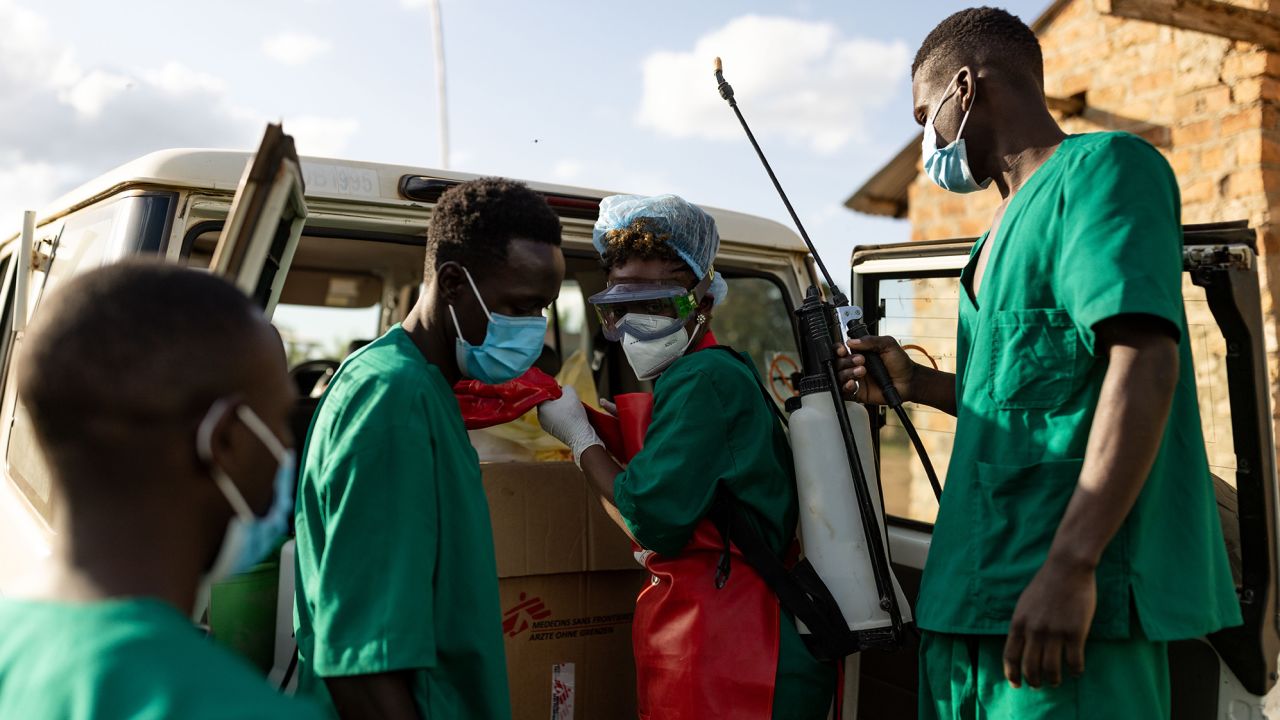
- Personal protective equipment (PPE): Over 50,000 sets of gloves, masks, and gowns to protect healthcare workers.
- Diagnostic supplies: Rapid antigen tests and PCR kits to accelerate case confirmation.
- Treatment supplies: Intravenous fluids, oral rehydration salts, and medications for symptom management.
- Logistics support: Cold chain equipment to preserve vaccines (though none are currently approved for Bundibugyo).
The supplies were distributed to health facilities in three high-risk districts, though the WHO has not yet disclosed their exact locations due to security concerns. Local health authorities are working with community leaders to enhance surveillance and quarantine suspected cases, while the WHO mobilizes additional funding for a broader response.
Stakeholders and the Road Ahead
The outbreak has galvanized international partners, including:
- UNICEF: Supporting safe burial practices and community engagement in affected areas.
- Médecins Sans Frontières (MSF): Deploying mobile labs and treatment units to remote regions.
- Gavi, the Vaccine Alliance: Exploring the potential repurposing of Ebola vaccines (e.g., Ervebo) for Bundibugyo, though efficacy remains unproven.
- African Union: Calling for increased cross-border cooperation between DRC and Uganda.
Dr. Helena Fischer, a physician and health journalist based in Berlin, notes that the lack of a specific treatment for Bundibugyo underscores the need for global investment in Ebola research. “While vaccines like Ervebo have revolutionized our ability to combat Zaire ebolavirus, the Bundibugyo strain remains a gap in our preparedness,” she says. “This outbreak is a stark reminder that Ebola is not just a regional crisis—it’s a global vulnerability.”
What You Need to Know: Key Questions
Q: Is the Bundibugyo strain more dangerous than other Ebola viruses?
A: Historically, Bundibugyo has caused fewer deaths per case (case fatality rates around 20–50%) compared to Zaire ebolavirus (up to 90%). However, its lack of approved treatments and diagnostic challenges make it uniquely difficult to control. The current outbreak’s rapid spread suggests it may be more transmissible in certain settings.
Q: Can Ebola spread through travel?
A: No—Ebola is not airborne and requires direct contact with bodily fluids (e.g., blood, vomit) from an infected person. However, infected individuals may unknowingly travel before symptoms appear, which is why early detection and quarantine are critical.
Q: Are there any travel advisories for the DRC?
A: The WHO has issued a Level 3 travel health notice for the affected districts, advising against non-essential travel. Countries bordering the DRC, including Uganda and Rwanda, have reinforced screening at airports and land crossings.
Next Steps: What’s Happening Now?
The WHO is convening an Emergency Committee on May 22, 2026, to reassess the outbreak’s status and determine if additional measures—such as global stockpile deployments or travel restrictions—are warranted. In the meantime:
- Local health teams are conducting door-to-door surveillance in high-risk communities.
- The DRC Ministry of Health is collaborating with researchers to sequence the virus and assess its genetic similarities to past Bundibugyo strains.
- Donor countries, including the U.S. And EU, are pledging emergency funding for response efforts.
For real-time updates, monitor:
- The WHO’s Disease Outbreak News.
- The DRC Ministry of Health’s official communications.
- UNICEF’s Ebola response dashboard.
How You Can Help: Donations to WHO’s emergency fund or MSF’s Ebola response support critical supplies and frontline workers. Avoid misinformation—verify facts only from official sources.
This is a developing story. World Today Journal will continue to update readers as new details emerge. In the meantime, we encourage readers to share this article and contact us with questions or tips.
Keep reading
- COVID-19 Drug Shows Promise for Kidney Transplant Patients
- Guía completa sobre fertilización incorporada al suelo: Técnicas y beneficios
- BMW Cuts 8,000 Jobs Worldwide Amid Auto Sector Strain (archyworldys.com)
- Extremadura Health Service Expands Early Breast Cancer Screening Program (world-today-news.com)