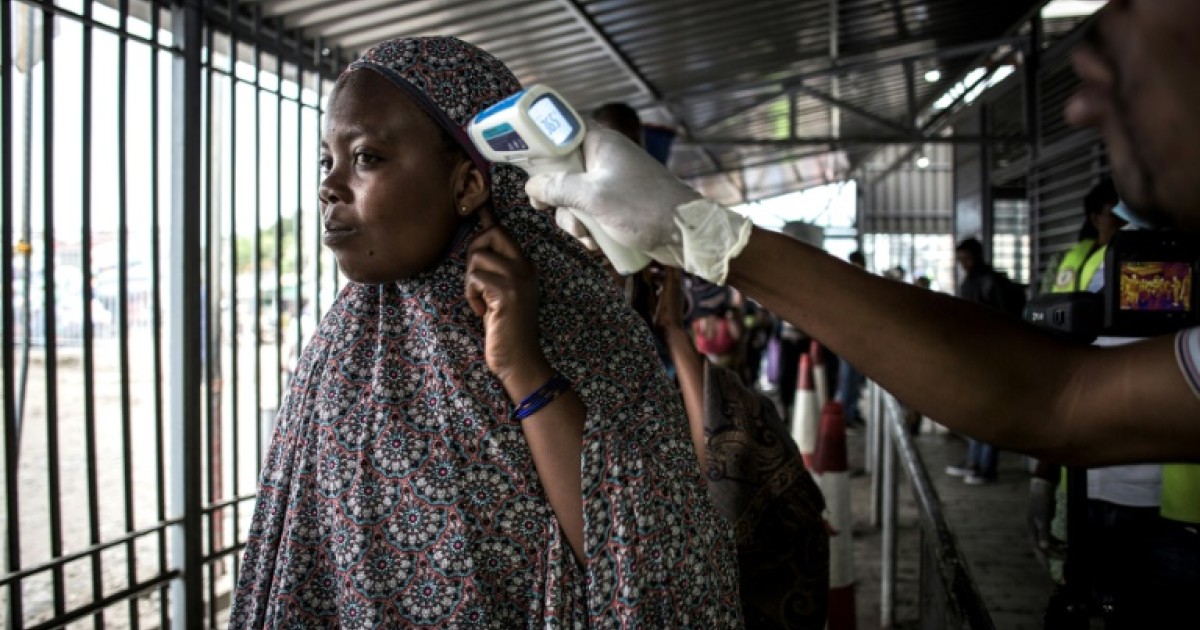
Mayotte, France’s overseas department in the Indian Ocean, is under heightened alert as health authorities brace for a potential Ebola outbreak, following confirmed cases in neighboring regions. The island, which has seen significant migratory flows from East and Central Africa in recent years, is now implementing reinforced surveillance measures to prevent the virus from reaching its shores. With no verified cases reported within Mayotte itself, officials are focusing on border controls, public health campaigns, and coordination with international partners to mitigate risks.
Ebola, a highly contagious viral disease, has re-emerged in nearby areas, raising concerns among public health experts. The virus spreads through direct contact with bodily fluids and can cause severe illness, with fatality rates historically ranging between 25% and 90% depending on the strain and response efforts. Mayotte’s proximity to transit hubs like Tanzania—where mixed migration patterns have been documented—heightens the urgency for proactive measures. The French government, in collaboration with the World Health Organization (WHO) and regional health bodies, is deploying additional resources to monitor arrivals, screen travelers, and educate communities about symptoms and preventive actions.
Dr. Helena Fischer, Editor of Health at World Today Journal, explains the stakes: “Ebola’s reappearance in the region underscores the critical need for vigilance, especially in areas with active migration corridors. Mayotte’s strategic location makes it a potential entry point, but with early detection and rapid response, the risk can be contained.” While no cases have been confirmed in Mayotte, the island’s health infrastructure is being bolstered to ensure readiness. This includes training for medical staff, stockpiling antiviral treatments, and enhancing laboratory capacity for rapid testing.
Why Mayotte’s Surveillance Matters
Mayotte’s unique status as both an overseas department of France and an outermost region of the European Union means it must adhere to strict health protocols to protect its population of approximately 320,901 residents, as of January 2024. The island’s economy, heavily reliant on tourism and agriculture, could face severe disruptions if Ebola were to take hold, further emphasizing the need for preemptive action. Health authorities are particularly focused on:
- Border screenings: Enhanced checks at the Mamoudzou airport and maritime ports to identify travelers exhibiting symptoms such as fever, fatigue, or unexplained hemorrhaging.
- Community awareness: Public campaigns to educate residents and migrants about Ebola’s transmission routes and the importance of reporting suspicious cases.
- Laboratory preparedness: Upgrading diagnostic facilities to process samples quickly, in line with WHO guidelines for Ebola response.
- International coordination: Collaboration with France’s health agencies, the WHO, and neighboring countries to share intelligence on outbreak trends and containment strategies.
Migration Routes and Risk Factors
Mayotte lies along a well-documented migration route from East and Central Africa, including countries like Tanzania, Mozambique, and the Comoros archipelago. According to recent surveys conducted by the UNHCR, a significant portion of migrants and asylum seekers transit through these regions, often facing risks such as exploitation by smugglers and exposure to infectious diseases. While the surveys highlight protection challenges—including reports of physical violence and sexual abuse—health risks like Ebola are also a growing concern. The island’s government has acknowledged the need to balance humanitarian efforts with public health imperatives, ensuring that surveillance does not impede necessary aid for vulnerable populations.
“The Western Indian Ocean Route is not just a migration pathway; it’s a high-risk corridor for disease spread,” notes a WHO spokesperson, emphasizing the importance of integrated health and migration policies. Mayotte’s authorities are working to align their protocols with these global recommendations, though specific details on enforcement remain under review.
Public Health Measures in Action
In response to the heightened alert, Mayotte’s Departmental Council, led by President Ben Issa Ousseni, has allocated additional funding for health initiatives. Key actions include:
- The deployment of mobile health teams to remote villages, particularly in areas with high migrant populations.
- The distribution of informational materials in multiple languages, including Shimaore and Kibushi, to ensure accessibility for all residents.
- Partnerships with local NGOs to provide psychological support, recognizing the stress that outbreak fears can exacerbate in communities already facing economic and social challenges.
While France has not yet declared a national health emergency, regional health officials are treating the situation with the utmost seriousness. The French Agency for Health Security (Santé Publique France) has issued internal directives to monitor Ebola-related developments closely, though public statements have been cautious, avoiding alarmism while urging preparedness.
What Happens Next?
The next critical checkpoint will be the WHO’s regional assessment, expected within the next 30 days, which will evaluate the effectiveness of current containment measures. Mayotte’s health ministry has also announced plans to host a public forum in June 2026 to discuss long-term strategies for managing infectious disease risks in the context of migration. Until then, residents are advised to:

- Monitor official updates from the French Agency for Health Security and local authorities.
- Report any symptoms consistent with Ebola to healthcare providers immediately.
- Avoid contact with individuals exhibiting signs of illness, particularly in high-traffic areas like ports and markets.
Key Takeaways
- No confirmed Ebola cases in Mayotte: As of May 20, 2026, the island remains free of the virus, but surveillance is intensified due to regional outbreaks.
- Migration as a risk multiplier: The Western Indian Ocean Route’s active migrant flows increase the potential for disease introduction, necessitating coordinated health and migration policies.
- Preparedness over panic: Authorities are focusing on early detection, public education, and infrastructure upgrades rather than widespread restrictions.
- International collaboration: France, the WHO, and regional partners are sharing resources and intelligence to strengthen Mayotte’s response capacity.
- Community engagement: Local NGOs and health workers are playing a pivotal role in disseminating accurate information and supporting vulnerable populations.
As Mayotte navigates this public health challenge, the balance between openness and security remains a delicate tightrope. For now, the message from health officials is clear: vigilance saves lives. Residents and visitors alike are encouraged to stay informed and proactive, ensuring that any signs of illness are addressed promptly. The next update from the WHO’s regional office will be closely watched, but for now, the focus remains on prevention and preparedness.
Have you experienced or witnessed any health-related concerns in Mayotte? Share your insights in the comments below, or spread awareness by sharing this article with others who may be affected.
Worth a look