Public Health Update: First Confirmed Recovery in Democratic Republic of the Congo Ebola Outbreak
As health authorities continue to respond to a newly declared Ebola virus outbreak in the Democratic Republic of the Congo (DRC), officials have confirmed the first patient recovery from the disease. This development offers a small but significant moment of hope in a region currently grappling with the complexities of managing a viral hemorrhagic fever amidst significant logistical and security challenges.
The Democratic Republic of the Congo has long been a focal point for the study and containment of orthoebolaviruses, the group of pathogens responsible for Ebola disease. According to the Centers for Disease Control and Prevention (CDC), these viruses were first identified in the country in 1976 and remain a persistent public health concern across sub-Saharan Africa. The current situation in the northwestern province underscores the ongoing necessity for robust international coordination and rapid medical intervention.
Understanding the Ebola Virus and Clinical Prognosis
Ebola disease is a severe and often fatal illness caused by infection with an orthoebolavirus. As noted in clinical literature, the disease is characterized by symptoms that typically emerge between two days and three weeks following exposure, with an average onset of 8 to 10 days. Early clinical presentation often includes fever, sore throat, muscle pain, and headaches, which may progress to more severe complications such as vomiting, diarrhea, and internal or external bleeding. The mortality rate for the disease can be high, historically ranging between 25% and 90% depending on the specific viral species and the timeliness of supportive medical care, as reported by the World Health Organization (WHO) and related medical databases.
The clinical management of the disease relies heavily on supportive care to mitigate symptoms and address complications such as fluid loss. In recent years, medical advancements have introduced specific therapeutic options. For instance, the FDA-approved treatment Atoltivimab/maftivimab/odesivimab (INMAZEB) has been developed to improve patient outcomes. The availability of vaccines for the prevention of Ebola virus (specifically the species Orthoebolavirus zairense) represents a critical tool in modern outbreak response strategies.
Challenges in Containment and Public Health Response
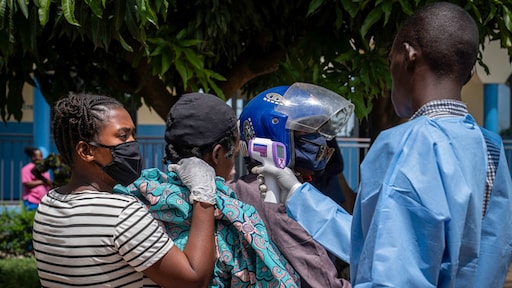
Addressing an outbreak in the DRC involves multifaceted public health efforts. Healthcare providers are currently operating under rigorous guidance concerning screening, diagnostic testing, and infection control protocols to prevent the further spread of the virus. Because orthoebolaviruses are transmitted through direct contact with the blood or body fluids of an infected person—or through contaminated objects—the implementation of personal protective equipment (PPE) and safe handling of remains or materials remains a cornerstone of the containment strategy.
Public health experts emphasize that the success of these interventions is highly dependent on community cooperation and the ability of medical teams to access affected areas safely. The coordination of medical services is essential to ensure that patients receive early diagnosis and appropriate supportive treatment, which are the primary determinants of a patient’s prognosis.
Looking Ahead: Monitoring and Official Guidance
The recovery of the first patient serves as a reminder of the importance of early detection and the effectiveness of modern supportive care protocols. However, the situation remains fluid. Health authorities continue to monitor the outbreak closely to identify additional cases and provide necessary support to affected communities.
For those seeking accurate and timely information, it is recommended to follow updates from official health ministries and international bodies such as the World Health Organization. These organizations provide the most reliable data regarding case counts, vaccination campaigns, and safety advisories for travelers and local populations. As the response continues to evolve, the primary goal remains the stabilization of the affected region and the prevention of further transmission through sustained, evidence-based public health measures.
We will continue to provide updates as official reports from the DRC health authorities and international monitoring agencies become available. Please share this information to help keep your local community informed, and feel free to leave your questions or comments regarding public health protocols in the section below.
Keep reading