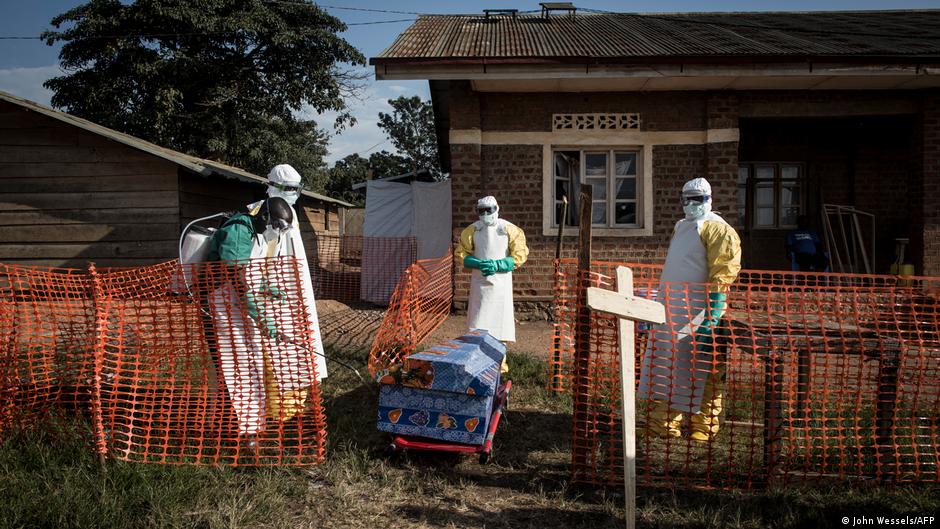
As the international community monitors the evolving public health situation in the Democratic Republic of the Congo (RDC), local authorities have confirmed a significant escalation in the ongoing Ebola outbreak. According to the latest data provided by government officials on Monday, May 18, 2026, the death toll associated with the current outbreak has risen to 116 individuals.
This surge in fatalities highlights the persistent challenges in containing the viral hemorrhagic fever, particularly as the disease spreads into new regions. The outbreak, which was officially declared last Friday in the Ituri province, has now been detected in the localities of Katwa, located in North Kivu, and Nyankunde, in Ituri. Beyond the confirmed fatalities, health authorities are currently monitoring 350 additional cases characterized as suspicious, as they work to map the transmission routes in these densely populated areas.
Understanding the Current Epidemiological Risk
The rapid expansion of the virus into new territories has prompted urgent action from government health officials and international partners. Patrick Muyaya, the RDC’s Minister of Communication and Media, emphasized that the movement of populations in these regions remains a primary concern for containment efforts. The demographic profile of those affected is particularly concerning, with a majority of patients falling within the 20 to 39 age bracket. Public health data indicates that women account for more than 60 percent of the identified cases, a trend that health experts are closely examining to tailor their community awareness and intervention strategies. The World Health Organization (WHO) provides ongoing guidance on the management and prevention of Ebola virus disease, emphasizing the importance of surveillance and early detection.
To address the growing threat, the government of the RDC officially declared a state of emergency this past Saturday. This measure has facilitated the rapid deployment of resources, including seven tons of medical supplies and specialized personnel, to the affected provinces. The response is a coordinated effort involving the national government and international health organizations, focusing on three core pillars: enhanced epidemiological surveillance, structured case management, and robust community engagement campaigns.
Public Health Directives and Safety Measures
In his address to the public, Minister Muyaya underscored the necessity of strict adherence to health protocols to mitigate the risk of further transmission. The government is urging citizens to prioritize personal hygiene, specifically the frequent washing of hands, and to exercise extreme caution regarding potential exposure vectors. A critical component of this guidance involves the avoidance of direct contact with deceased animals and human remains, which are known to be high-risk environments for viral transmission. The Centers for Disease Control and Prevention (CDC) offers comprehensive resources regarding the transmission and safe handling practices required to manage Ebola outbreaks.
International response mechanisms have also begun to adjust to the developing situation. In the United States, authorities have announced plans to strengthen screening protocols at major airports for travelers arriving from affected regions. These measures, which include temporary adjustments to visa processing, are intended to provide an additional layer of protection against the international spread of the virus. Such steps are standard in the management of high-consequence infectious diseases and are designed to complement, rather than replace, the efforts currently underway on the ground in the RDC.
Next Steps in the Containment Effort
The situation remains highly fluid. The immediate priority for health teams operating in North Kivu and Ituri is to break the chains of transmission in regions characterized by dense habitation and significant human movement. As surveillance teams continue to process the 350 suspected cases, the integration of clinical care and community-led awareness programs will be decisive in determining the trajectory of the outbreak.

We will continue to provide updates as new information becomes available from the RDC Ministry of Health and global health monitoring bodies. We encourage our readers to stay informed through verified, official channels and to practice recommended hygiene measures as advised by local health authorities. Please share your thoughts or questions in the comments section below as we continue to track this critical development.