
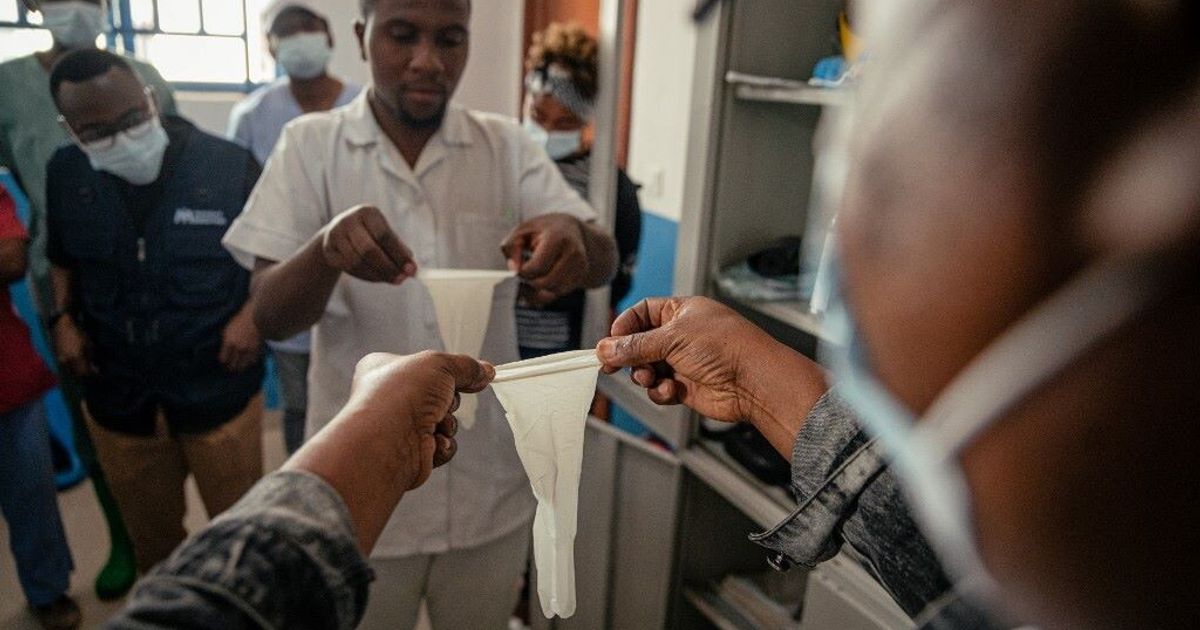
The World Health Organization (WHO) has officially declared a Public Health Emergency of International Concern (PHEIC) following an escalating outbreak of Ebola disease caused by the Bundibugyo virus in the Democratic Republic of the Congo (DRC) and Uganda. The decision, announced by the WHO Director-General, marks a critical turning point in the international response to the virus, as health authorities race to contain the spread within a region already grappling with significant logistical and security challenges.
While the WHO has determined that the current situation does not meet the specific criteria for a “pandemic emergency” as defined by the International Health Regulations (IHR), the designation of a PHEIC underscores the extraordinary nature of the event. The declaration is intended to catalyze global preparedness and ensure that necessary resources are mobilized to prevent the virus from crossing borders and destabilizing regional health infrastructures.
The outbreak is centered in the Ituri Province of the Democratic Republic of the Congo, where the epidemiological situation is rapidly evolving. As of May 16, 2026, health authorities have reported eight laboratory-confirmed cases, 246 suspected cases, and 80 suspected deaths. These cases are concentrated across at least three distinct health zones in the province: Bunia, Rwampara, and Mongbwalu.
A Growing Crisis in Ituri Province
The concentration of suspected cases and deaths in the Ituri Province highlights the intense pressure currently placed on local healthcare systems. The high number of suspected deaths relative to laboratory-confirmed cases suggests that the speed of the outbreak may be outstripping the capacity for rapid diagnostic testing, a common and dangerous hurdle in managing viral hemorrhagic fevers in remote areas.
The WHO has expressed gratitude to the leadership of both the Democratic Republic of the Congo and Uganda for their commitment to vigorous action and their transparency in assessing the risks posed to other states. This international cooperation is vital, as the shared borders between the two nations facilitate the potential for rapid cross-border transmission.
The detection of the Bundibugyo virus specifically complicates the response. Unlike the more commonly discussed Zaire ebolavirus, which has been the subject of major historical outbreaks, the Bundibugyo virus requires precise clinical management and specific diagnostic protocols to ensure that containment efforts are appropriately tailored to its unique characteristics.
Understanding the Bundibugyo Virus
To understand the gravity of this emergency, it is essential to distinguish the Bundibugyo virus from other members of the orthoebolavirus genus. There are four known types of orthoebolaviruses that cause illness in humans: Ebola virus (species orthoebolavirus zairense), Sudan virus (species orthoebolavirus sudanense), Taï Forest virus (species orthoebolavirus taiense), and Bundibugyo virus (species orthoebolavirus bundibugyoense).

The Bundibugyo virus is characterized by a clinical presentation that can vary, but typically involves a progression from “dry” symptoms to more severe systemic involvement. According to clinical data, early symptoms often include fever, aches, pains, and fatigue. As the disease progresses, patients may experience more acute manifestations, including vomiting, diarrhea, and, in some cases, internal and external bleeding.
The mortality rate for Ebola virus diseases can be devastatingly high. While specific mortality rates for the Bundibugyo species can fluctuate depending on the timing of supportive care and the specific viral strain involved, the broader category of ebolaviruses has historically demonstrated mortality rates ranging from 25% to as high as 90%. The ability to provide early supportive care remains one of the most critical factors in improving patient prognosis.
The Humanitarian Challenge: Risks to Aid Workers
The medical response to the Ebola outbreak is being significantly hampered by a volatile security environment. Reports have emerged regarding the extreme risks faced by those on the front lines of the containment effort, including the tragic loss of humanitarian personnel. Specifically, reports indicating fatalities among Red Cross volunteers in the Democratic Republic of the Congo have sent shockwaves through the international aid community.
The targeting of healthcare workers and humanitarian responders creates a “protection gap” that can lead to the collapse of essential services. When volunteers and medical staff are unable to safely enter high-risk zones—such as the health zones of Bunia or Mongbwalu—the ability to conduct contact tracing, provide isolation care, and perform safe burials is severely compromised. This lack of access directly contributes to the continued transmission of the virus within the community.
The intersection of infectious disease outbreaks and civil instability is a recurring theme in global health crises. In environments where mistrust of medical interventions is high, or where local populations feel marginalized by the response, humanitarian workers often become targets of frustration or direct violence. Addressing these social and security dynamics is now as critical to the outbreak’s control as the medical interventions themselves.
Global Preparedness and the Path Forward
The WHO’s determination of a PHEIC serves as a formal call to action for the global community to implement preparedness measures. This involves not only the deployment of medical expertise and supplies but also the strengthening of surveillance systems to detect new cases in real-time. The goal is to intercept the chain of transmission before the outbreak expands beyond the current health zones in Ituri.

Key components of the international response will include:
- Enhanced Surveillance: Increasing the frequency and depth of testing in suspected cases to confirm the presence of the Bundibugyo virus.
- Logistical Support: Ensuring the safe delivery of personal protective equipment (PPE), diagnostic kits, and medical supplies to remote areas of the DRC and Uganda.
- Community Engagement: Working with local leaders to build trust in medical protocols and reduce the stigma associated with Ebola infection.
- Security Coordination: Developing strategies to protect humanitarian corridors and ensure that aid workers can operate without fear of violence.
As the situation evolves, the international community must remain vigilant. The risk of international spread, while currently being managed through the IHR framework, remains a primary concern for global health security. The success of the response will depend on the seamless integration of medical, logistical, and security efforts across the borders of the DRC and Uganda.
Key Takeaways: Ebola Outbreak in DRC and Uganda
- Official Status: The WHO has declared a Public Health Emergency of International Concern (PHEIC).
- Primary Virus: The outbreak is caused by the Bundibugyo virus (orthoebolavirus bundibugyoense).
- Current Impact: As of May 16, 2026, Ituri Province reports 8 confirmed, 246 suspected cases, and 80 suspected deaths.
- Critical Locations: The outbreak is concentrated in the Bunia, Rwampara, and Mongbwalu health zones.
- Humanitarian Risk: The response is complicated by reports of danger to aid workers, including fatalities among Red Cross volunteers.
We will continue to monitor official updates from the World Health Organization and the respective ministries of health in the Democratic Republic of the Congo and Uganda. The next critical checkpoint will be the upcoming technical briefing from the WHO’s Emergency Committee to assess the effectiveness of current containment measures.
What are your thoughts on the growing challenges facing humanitarian workers in infectious disease zones? Please share your perspective in the comments below and share this article to keep your network informed.