The World Health Organization (WHO) has officially determined that the ongoing Ebola outbreak in the Democratic Republic of the Congo (DRC) and Uganda constitutes a public health emergency of international concern (PHEIC). This declaration follows the documentation of international transmission, with cases confirmed in Kampala, Uganda, linked to recent travel from the affected region. As health authorities work to contain the spread, the situation remains a critical challenge for regional stability and global health security.
The current crisis, driven by the Bundibugyo virus, has necessitated a rapid and coordinated international response. According to the World Health Organization, the decision to elevate the status of the outbreak was based on the risk of international spread, the potential for interference with international traffic and the current trajectory of infections in the Ituri Province of the Democratic Republic of the Congo. As of May 16, 2026, reports indicated eight laboratory-confirmed cases, 246 suspected cases, and 80 suspected deaths across health zones including Bunia, Rwampara, and Mongbwalu.
Understanding the Threat: The Bundibugyo Virus
Ebola disease, or Ebola virus disease (EVD), is a severe viral hemorrhagic fever that impacts humans and other primates. It’s caused by various species of orthoebolaviruses. While the current outbreak involves the Bundibugyo virus, it is part of a broader family of pathogens that have been monitored since they were first identified in 1976. The Centers for Disease Control and Prevention (CDC) notes that symptoms typically manifest between two and 21 days after exposure, with an average onset occurring eight to 10 days post-contact.
The clinical presentation of the disease is notoriously aggressive. Early symptoms often include fever, muscle aches, sore throat, and headaches. As the condition progresses, individuals may suffer from more severe complications, including vomiting, diarrhea, and internal or external bleeding. The mortality rate for Ebola outbreaks historically varies significantly, ranging from 25% to 90%, depending on the specific viral species, the timing of medical intervention, and the availability of supportive care.
Geopolitical and Social Challenges to Containment
Containment efforts in the Ituri Province face significant hurdles beyond the medical response. The region has long been impacted by armed conflict, which complicates the delivery of essential health services and the movement of medical personnel. Distrust of health authorities and the complexities of operating within active conflict zones can hinder contact tracing and vaccination campaigns, both of which are foundational to halting transmission.

The WHO Director-General has acknowledged the commitment of the leadership in both the Democratic Republic of the Congo and Uganda to address these challenges. By engaging in transparent risk assessments, these nations are working to allow the international community to provide the necessary support. However, the geographic spread—moving from rural provinces in the DRC into the urban environment of Kampala—highlights the speed at which the virus can travel in an interconnected region.
Public Health Protocols and Prevention
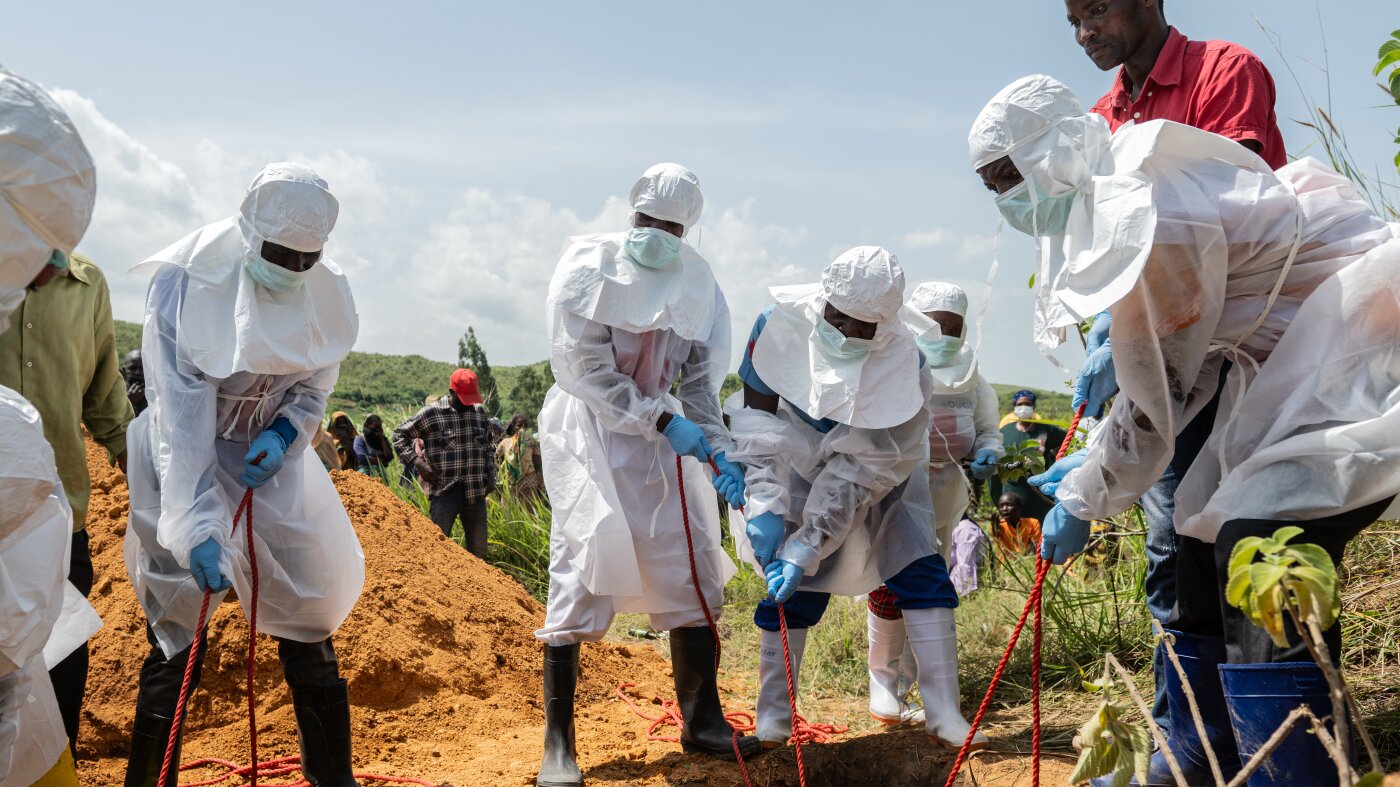
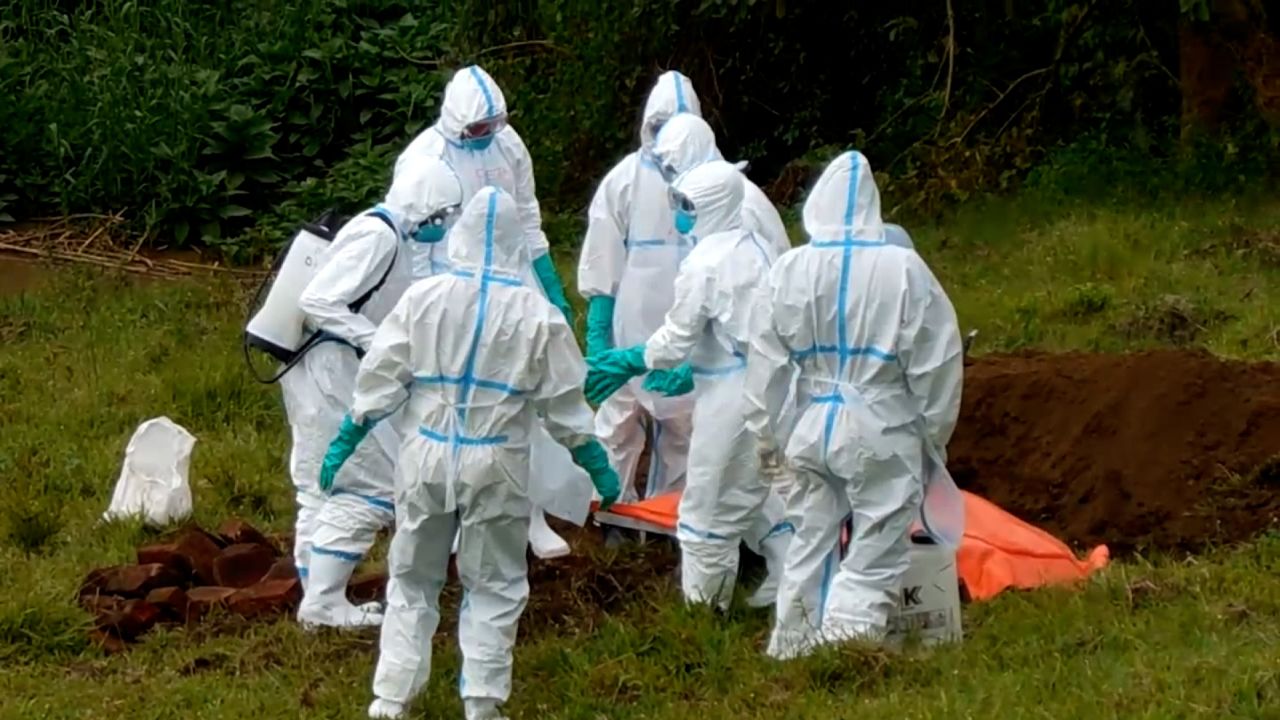
Effective management of Ebola relies on stringent infection control and community engagement. The CDC emphasizes that the virus is spread through direct contact with the blood or body fluids of an infected person or through contaminated objects. Health protocols focus on the rigorous use of personal protective equipment (PPE), safe burial practices, and the isolation of suspected cases to prevent further transmission.
For the public, maintaining awareness of symptoms and seeking medical attention immediately upon the onset of illness is critical. While there is an FDA-approved vaccine for the prevention of the Ebola virus (species Orthoebolavirus zairense), researchers and health agencies are continuously evaluating the efficacy and application of medical countermeasures across the different species of the virus, including the Bundibugyo strain currently circulating.
Looking Ahead: Next Steps
The declaration of a PHEIC serves as a formal mechanism under the International Health Regulations (2005) to mobilize resources and coordinate the global response. The focus remains on strengthening surveillance, enhancing diagnostic capabilities, and ensuring that healthcare workers have the resources needed to provide safe, supportive care.
The international community will continue to monitor the situation as new case data is processed and reported by the respective ministries of health. Ongoing updates regarding the status of the outbreak and travel guidance will be provided by the World Health Organization as the situation evolves. We invite our readers to share their thoughts and stay informed through official updates from global health authorities.