
As the global health community remains vigilant, recent discussions surrounding the status of Ebola virus disease (EVD) in the Democratic Republic of the Congo and Uganda have underscored the critical importance of ongoing surveillance and rapid response protocols. While Ebola remains a rare but severe illness, the history of the virus—first identified in 1976—serves as a constant reminder of the necessity for robust public health infrastructure in sub-Saharan Africa. As an infectious disease specialist, I frequently emphasize that while outbreaks can be devastating, our capacity to manage them has evolved significantly through medical innovation and international cooperation.
Understanding the current landscape requires a clear look at the nature of the virus itself. Ebola disease is caused by members of the Orthoebolavirus genus within the Filoviridae family. Among the six known species, three—Ebola virus, Sudan virus, and Bundibugyo virus—are recognized for their potential to trigger large-scale outbreaks. According to the World Health Organization, these outbreaks carry a case fatality rate that has historically fluctuated between 25% and 90%, with an average hovering around 50%.
The Clinical Reality of Ebola Virus Disease
The clinical progression of Ebola is often rapid and requires immediate medical intervention. Symptoms typically manifest between 2 and 21 days following exposure, with an average incubation period of 8 to 10 days. Early warning signs are frequently non-specific, often mimicking other tropical illnesses, which can complicate initial diagnosis. Patients often present with sudden-onset fever, debilitating muscle pain, fatigue, and sore throats. As the disease progresses, these “dry” symptoms are often followed by more severe clinical manifestations, including vomiting, diarrhea, and, in advanced cases, signs of hepatic and renal dysfunction. In some instances, patients may experience internal and external bleeding, which necessitates urgent supportive care.
The Centers for Disease Control and Prevention (CDC) notes that healthcare providers must remain prepared to implement rigorous infection control measures, including the correct use of personal protective equipment (PPE) and established protocols for the handling of viral hemorrhagic fevers. Because the virus spreads through direct contact with the blood or body fluids of an infected person—or through contaminated surfaces—the chain of transmission is highly dependent on environmental and behavioral factors.
Advances in Prevention and Treatment
One of the most significant shifts in the fight against Ebola over the last decade has been the development of FDA-approved vaccines and therapeutics. Specifically, interventions are now available for the Ebola virus species (Orthoebolavirus zairense). These advancements represent a major milestone in medical science, providing frontline workers with tools that were unavailable during the 1976 outbreaks in Yambuku and Nzara. However, We see vital to note that these specific vaccines and treatments are currently limited to the Ebola virus species; research and clinical trials are ongoing to develop similar protections for Sudan virus and Bundibugyo virus diseases.
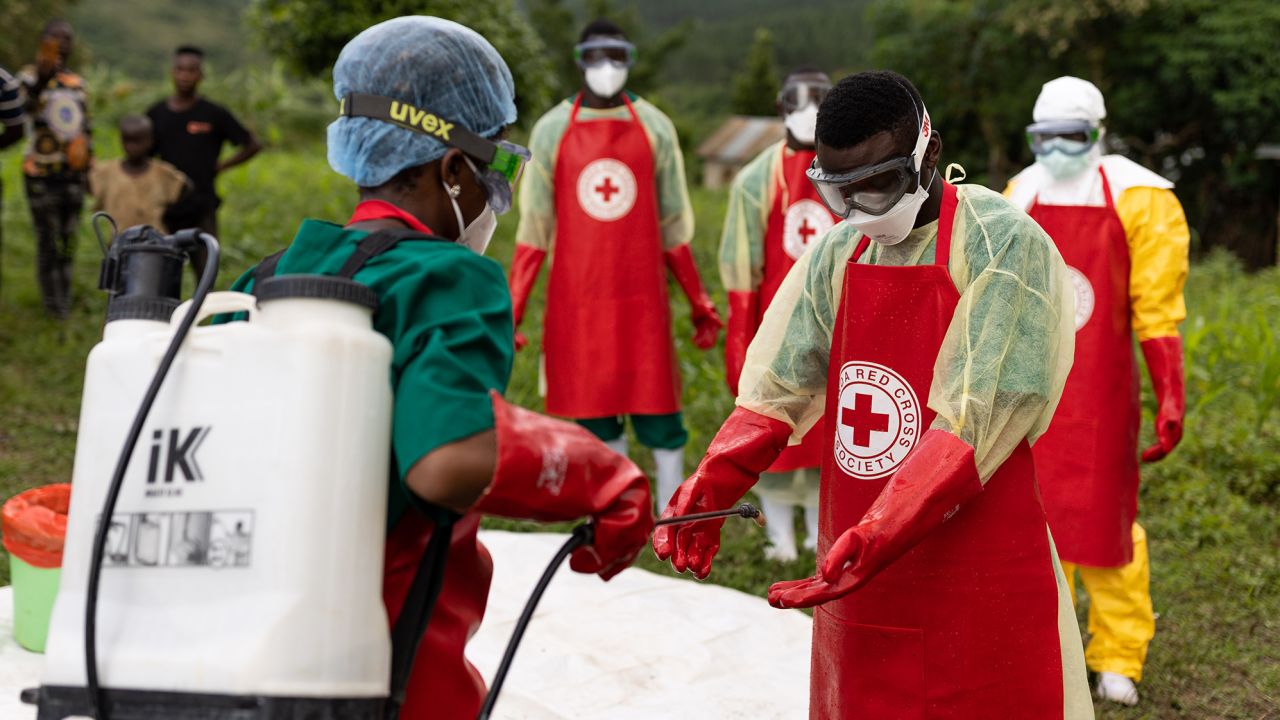
Beyond pharmacological interventions, the core of outbreak control remains a comprehensive “package of interventions.” This strategy includes:
- Early Supportive Care: Aggressive rehydration and symptom management significantly improve patient survival rates.
- Surveillance and Contact Tracing: Identifying exposed individuals early is essential to breaking the cycle of transmission.
- Safe and Dignified Burials: Ensuring that burial practices do not lead to further exposure is a cornerstone of community-based prevention.
- Social Mobilization: Building trust within affected communities is critical for the success of any public health response.
The Importance of Ongoing Vigilance
For those monitoring the situation in Central and East Africa, it is essential to rely on official channels for updates. Health authorities in the Democratic Republic of the Congo and Uganda operate in conjunction with international partners to monitor for clusters of unexplained illness. The rapid identification of a potential outbreak is the most effective way to prevent widespread loss of life. As we continue to refine our diagnostic capabilities—which involve detecting viral RNA or antibodies in blood samples—the focus remains on early detection and the immediate isolation of suspected cases.

While the threat of Ebola is perennial in certain regions, the global medical community is better equipped today than at any point in history. The combination of early supportive care and, where available, targeted vaccination, provides a roadmap for mitigating the impact of these viruses. For healthcare professionals and the public alike, the directive remains the same: stay informed, prioritize early medical consultation if symptoms arise, and support the public health surveillance systems that keep our global community safe.
The next official updates from international health agencies regarding regional health security will be published through their respective surveillance portals. I encourage our readers to remain engaged with these official sources and to share this information with their networks to ensure accurate health literacy in their communities. We will continue to monitor the situation and provide analysis as new verified data becomes available.
Related reading