
As international health authorities continue to monitor the situation in East and Central Africa, public health officials are working to contain an active outbreak of Ebola disease. As of June 5, 2026, the Centers for Disease Control and Prevention (CDC) is actively responding to reports of the virus in remote regions of the Democratic Republic of the Congo (DRC) and Uganda, according to the latest CDC situation summary. While the situation remains dynamic, global health organizations emphasize that the risk to the general public in the United States remains low and no cases have been confirmed domestically linked to this specific outbreak.
Ebola disease—historically referred to as Ebola hemorrhagic fever—is a severe, often fatal illness caused by infection with an orthoebolavirus. These viruses, which were first identified in 1976 in the Democratic Republic of the Congo, are primarily found in sub-Saharan Africa. The current public health response is informed by decades of clinical experience in managing these viral hemorrhagic fevers, with a focus on coordinated medical services, robust screening protocols, and the use of specialized care facilities for affected individuals.
Current Public Health Measures and Travel Protocols
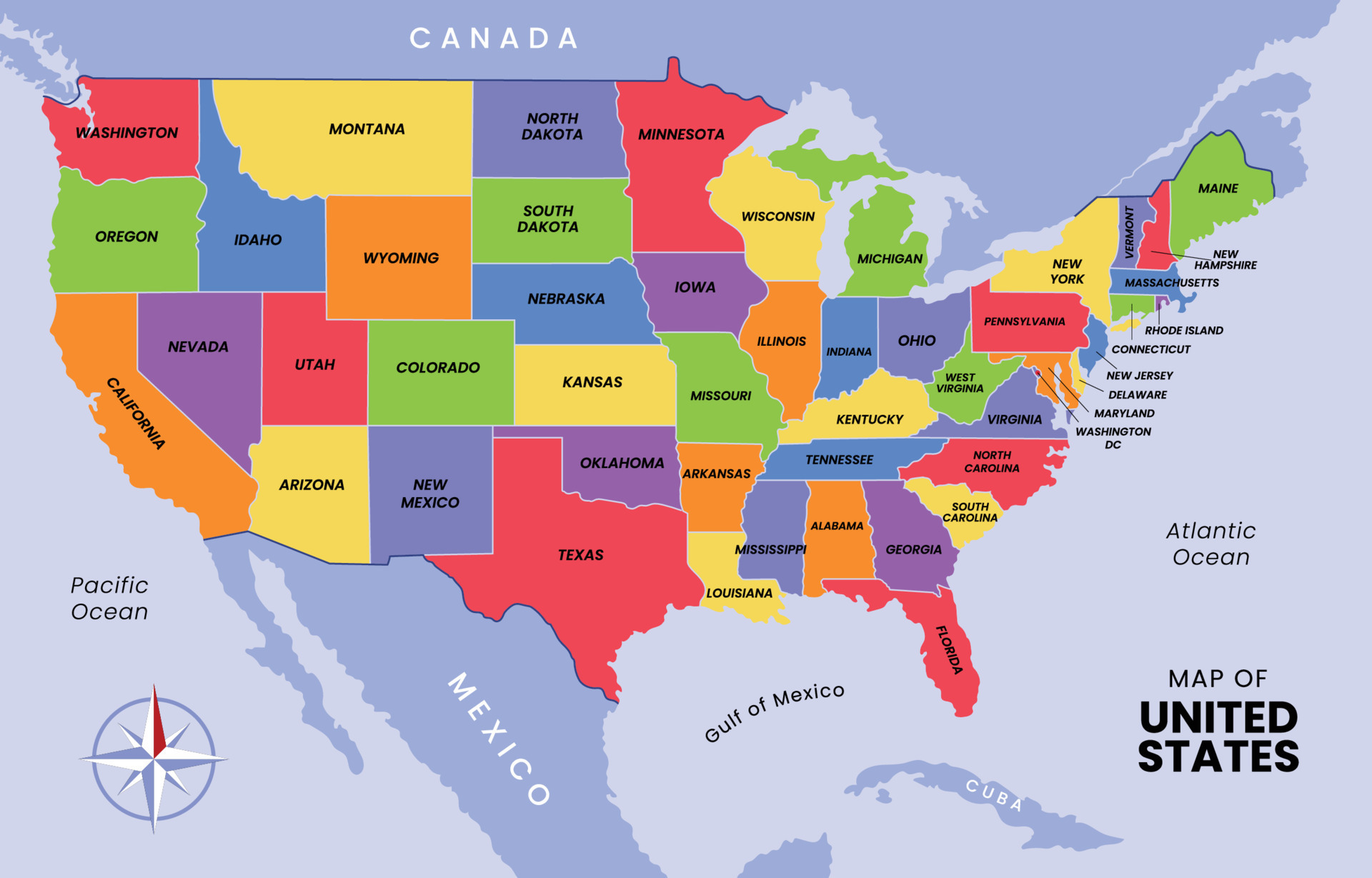
In response to the evolving situation in East and Central Africa, United States federal agencies have implemented enhanced protective measures. On May 18, 2026, the CDC and the Department of Homeland Security (DHS) announced updated travel screening and entry restrictions to mitigate the risk of the virus entering the country. These measures include re-routing air passengers arriving from the DRC, South Sudan, and Uganda to specific international gateways: Washington-Dulles (IAD), Atlanta Hartsfield-Jackson (ATL), George Bush Intercontinental (IAH), and John F. Kennedy (JFK) airports, as noted by the CDC’s official guidance. While South Sudan has not reported any cases, it remains included in these screening efforts due to its shared borders with the affected nations.
The global medical community remains vigilant following the report on May 17, 2026, of an American healthcare worker who tested positive for Ebola disease caused by the Bundibugyo virus after being exposed while providing patient care in the DRC. The patient was subsequently transported to Germany for specialized treatment, where they are currently in stable condition. High-risk contacts associated with this exposure have been relocated to Germany and the Czech Republic and remain under observation. all reported contacts are currently asymptomatic.
Understanding Ebola: Transmission and Clinical Presentation
This proves essential for the public to understand that Ebola does not spread through the air, unlike respiratory viruses such as influenza or COVID-19. According to the CDC’s disease basics, transmission occurs through direct contact with the blood or body fluids of an infected person or through contact with contaminated objects. The incubation period—the time between exposure and the onset of symptoms—typically ranges from two to 21 days, with an average of eight to 10 days.
Early clinical signs are often non-specific and may include fever, sore throat, muscle pain, and headaches. As the illness progresses, patients may experience vomiting, diarrhea, rashes, and hepatic or renal dysfunction. In some cases, the disease leads to internal and external bleeding. Mortality rates for Ebola outbreaks have historically ranged from 25% to 90%, with an average of approximately 50%, depending heavily on the viral species involved and the timing of medical intervention. There are four primary types of orthoebolaviruses known to cause illness in humans: Orthoebolavirus zairense, Orthoebolavirus sudanense, Orthoebolavirus taiense, and Orthoebolavirus bundibugyoense.
Key Takeaways for Public Awareness
- Risk Assessment: The risk of Ebola to the general public in the United States remains low, and there have been no confirmed cases associated with the current outbreak.
- Transmission: Ebola is not a respiratory virus; it is transmitted through direct contact with infected blood or body fluids, not by being near an infected individual.
- Travel Advisory: Travelers arriving from the DRC, South Sudan, and Uganda are subject to enhanced screening and may be re-routed to specific U.S. Airports for health assessment.
- Clinical Care: Early supportive care is critical to improving patient prognosis. Medical protocols for infection control and the use of personal protective equipment (PPE) are standard in managing these cases.
As we continue to monitor this rapidly evolving situation, I encourage our readers to stay informed through official channels. The CDC provides regular updates on their official situation summary page. We will continue to provide updates as more information becomes available. If you have questions or would like to share your perspective on current global health security measures, please join the conversation in the comments section below.
Worth a look