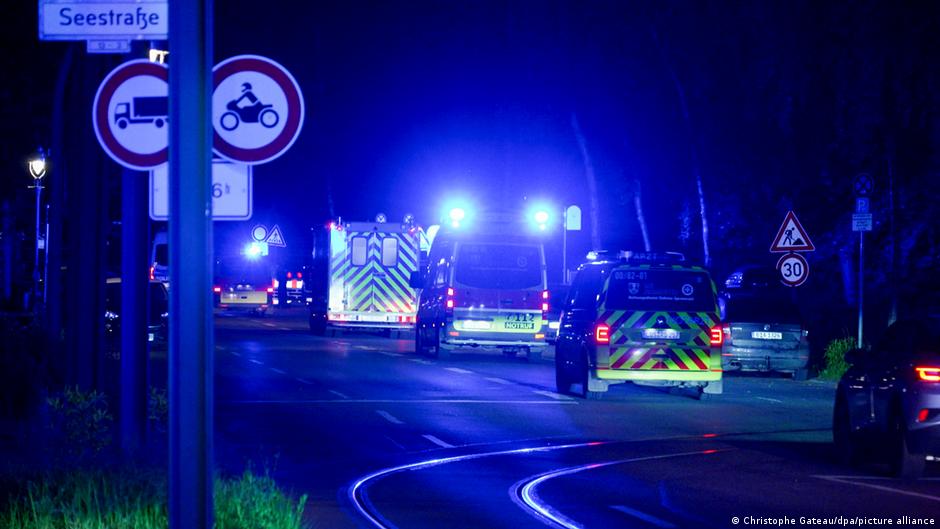
The arrival of an American doctor diagnosed with Ebola virus disease in Berlin has underscored the critical importance of international medical cooperation and the role of high-containment isolation units in managing severe viral hemorrhagic fevers. As healthcare systems globally continue to refine their preparedness for infectious diseases, the treatment of such cases in specialized facilities remains a cornerstone of safety for both patients and the public.
Ebola disease—a severe, often fatal illness—is caused by orthoebolaviruses, a group that includes the species responsible for large-scale outbreaks, such as the Ebola virus, Sudan virus, and Bundibugyo virus. The World Health Organization (WHO) reports that case fatality rates for the disease have historically varied between 25% and 90%, with an average of approximately 50%. The current focus remains on providing intensive supportive care, which is essential for improving patient survival rates.
Understanding the Pathogen and Specialized Care
Orthoebolaviruses were first identified in 1976 during simultaneous outbreaks in what are now South Sudan and the Democratic Republic of the Congo. Since that time, medical understanding of the disease has evolved significantly, particularly regarding infection prevention and control. The Centers for Disease Control and Prevention (CDC) notes that healthcare providers must adhere to rigorous screening, testing, and personal protective equipment (PPE) protocols when managing patients suspected of having a viral hemorrhagic fever.

In the context of the patient currently being treated in Berlin, the use of a specialized isolation unit is a standard safety requirement. These facilities are designed to contain the spread of the virus through negative pressure environments and strict barrier nursing techniques. Such units are not merely hospital rooms; they are highly controlled clinical spaces where the risk of transmission to healthcare staff and the general public is mitigated through specialized infrastructure and expertise.
Treatment Protocols and Medical Advancements
While supportive care—including rehydration and the management of symptoms such as fever, muscle pain, and gastrointestinal distress—remains the primary strategy for patients, medical science has made strides in specific therapeutics. The WHO confirms that while licensed vaccines and therapeutics are available for the Ebola virus (species Orthoebolavirus zairense), development continues for treatments targeting other orthoebolavirus species.
The prognosis for any individual patient depends on several factors, including the specific viral species involved and the timing of the intervention. Early access to expert medical care is widely considered the most effective way to improve outcomes. As the international community monitors this case, the emphasis remains on the established package of interventions: surveillance, contact tracing, laboratory services, and, where appropriate, the use of approved vaccines and therapeutics.
The Global Standard for Infectious Disease Response
Germany’s involvement in providing high-standard care for international patients reflects a broader commitment to global health security. By utilizing specialized facilities, countries can provide life-saving care while simultaneously conducting research and training that benefits the global medical community. This collaborative approach is essential for managing rare but high-consequence diseases that can emerge without warning.
For those seeking updated information on viral hemorrhagic fever protocols, the WHO provides comprehensive fact sheets on the clinical management of Ebola disease. Similarly, the CDC maintains a digital repository for healthcare providers that details the latest guidance on emergency services and infection control. These resources serve as the definitive guide for maintaining safety in an era of global travel and emerging infectious threats.
As the situation in Berlin progresses, healthcare officials are expected to provide updates through official channels as clinical developments warrant. We will continue to follow these reports closely to provide accurate, verified information to our readers. We invite you to share your thoughts or questions in the comments section below as we monitor this ongoing story.