
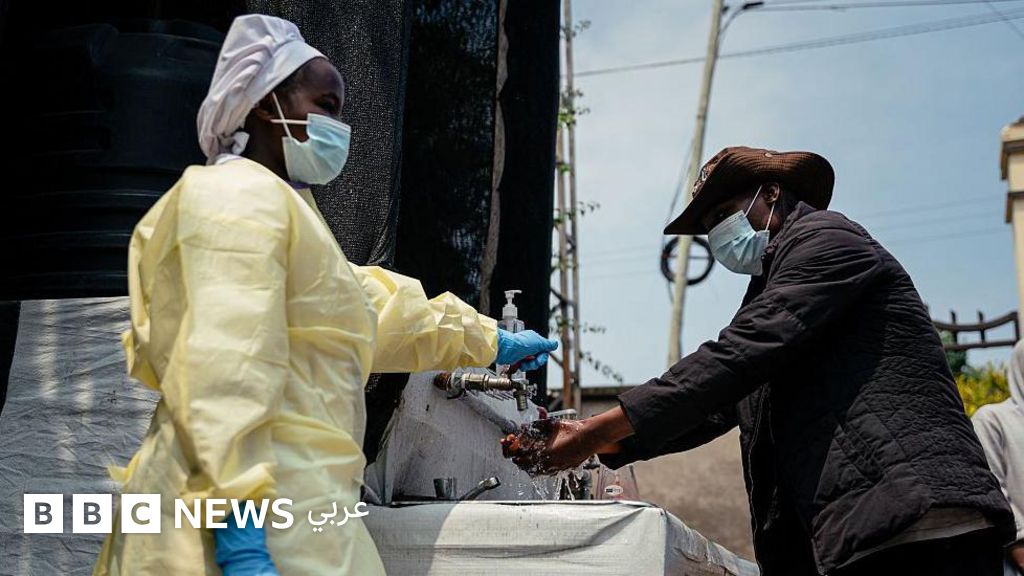
As the Editor of the Health section at the World Today Journal, I have spent over a decade monitoring the intersection of infectious disease and public health policy. Recently, global health authorities have been intensifying their focus on the Democratic Republic of the Congo (DRC) due to a concerning rise in cases of Ebola virus disease. Managing such outbreaks requires a delicate balance between rigorous epidemiological containment and clear, transparent communication to the public.
The Ebola virus remains one of the world’s most severe viral hemorrhagic fevers. It is characterized by high mortality rates and presents significant logistical challenges for containment, particularly in regions with limited infrastructure. Understanding the current situation requires looking at official data provided by international health agencies, which continue to track transmission patterns and clinical outcomes in affected provinces.
Understanding the Ebola Virus and Public Health Responses
Ebola is transmitted to humans through direct contact with the blood, secretions, organs, or other bodily fluids of infected animals—such as fruit bats or non-human primates—and subsequently spreads through human-to-human transmission via direct contact with the blood or fluids of infected individuals. According to the World Health Organization (WHO), early supportive care with rehydration and symptomatic treatment significantly improves survival rates.
The global response to an Ebola outbreak is coordinated through established international frameworks, including the International Health Regulations (IHR). When an outbreak is declared, authorities prioritize the identification of contacts, the isolation of patients, and the implementation of safe burial practices to prevent further spread. Public health measures, such as travel screenings or temporary restrictions, are often evaluated by national governments based on their unique risk assessments, though these must align with guidance from health experts to remain effective and proportionate.
For readers looking to stay informed, the Centers for Disease Control and Prevention (CDC) provides comprehensive guidance on the clinical presentation of the virus, which typically includes sudden onset of fever, fatigue, muscle pain, headache, and sore throat, followed by vomiting, diarrhea, and in some cases, internal and external bleeding. Prompt medical evaluation is essential for anyone who has traveled to an affected region and begins to exhibit these symptoms.
The Importance of Verified Information
In times of health crises, misinformation can spread as quickly as the virus itself. As a physician and journalist, I urge our readers to rely solely on updates from verified institutional sources. Decisions regarding border health measures, such as the temporary suspension of travelers from specific high-risk zones, are complex policy choices made by sovereign nations. These decisions are typically influenced by the latest updates from the WHO’s Disease Outbreak News portal.

If you are planning international travel, it is imperative to check the official travel advisories issued by your local government’s health department or foreign ministry. These departments maintain the most current information regarding entry requirements, mandatory health screenings, and regions where transmission is currently active.
Frequently Asked Questions About Ebola
How is Ebola diagnosed? Diagnosis is confirmed through laboratory testing, such as reverse transcription-polymerase chain reaction (RT-PCR) assays, which detect the virus in blood or other bodily fluids. These tests must be performed in specialized, high-containment laboratories.
What is the primary method of prevention? Prevention centers on avoiding contact with the blood and bodily fluids of infected people or animals. In clinical settings, rigorous adherence to infection prevention and control (IPC) protocols, including the correct use of personal protective equipment (PPE), is the gold standard for protecting healthcare workers.
Are there vaccines available? Yes, vaccines for Ebola have been developed and utilized in recent outbreaks under specific clinical trial and emergency-use protocols. The deployment of these vaccines is managed by international health organizations in partnership with local governments to create “ring vaccination” strategies, which target the contacts of confirmed patients.
Looking Ahead: Monitoring and Containment
The situation in the Democratic Republic of the Congo remains dynamic. Public health officials are currently focused on strengthening surveillance, enhancing laboratory capacity, and ensuring that community engagement remains a cornerstone of the response. As we move forward, the focus will remain on the timely reporting of case numbers and the continued evaluation of the effectiveness of existing vaccines and therapeutics.

I will continue to monitor official statements from the World Health Organization and regional health ministries as new data becomes available. We invite our readers to share their thoughts or questions in the comments section below. For those seeking the most recent official updates, please monitor the WHO’s emergency dashboard, which serves as the primary repository for confirmed data regarding the outbreak’s evolution.
Dr. Helena Fischer serves as the Editor of the Health section at the World Today Journal. She holds an MD from Charité – Universitätsmedizin Berlin and has over 11 years of experience in medical journalism.