As the international community monitors public health developments in sub-Saharan Africa, understanding the clinical realities of viral hemorrhagic fevers remains a priority for global health authorities. Ebola virus disease, a severe and often fatal illness, continues to be a subject of intense focus for medical researchers and infectious disease specialists. With mortality rates that have historically fluctuated between 25% and 90%, the Centers for Disease Control and Prevention (CDC) emphasizes that effective management and rapid response are essential to mitigating the impact of these outbreaks.
The virus, which belongs to the orthoebolavirus group, was first identified in 1976 in the Democratic Republic of the Congo. Since that time, the scientific community has worked to decode the transmission vectors, symptomatic progression, and long-term prognosis of the disease. While the challenge is significant, advancements in vaccine development and coordinated international medical services have provided new tools for containment and patient care.
Clinical Presentation and Disease Progression
Ebola virus disease is characterized by a complex clinical course. According to established medical guidelines, the incubation period—the time from initial exposure to the appearance of symptoms—typically ranges from two days to three weeks. On average, patients begin to exhibit signs of illness approximately 8 to 10 days after contact with the virus.

Early symptoms are often non-specific, making initial diagnosis a challenge in clinical settings. Patients frequently report:
- Fever and fatigue
- Severe headaches
- Muscle and joint pain
- Sore throat
As the infection progresses, the disease often moves into a more acute phase, which may include vomiting, diarrhea, and the development of a rash. In severe cases, patients may experience impaired hepatic and renal function, leading to internal and external bleeding. These complications highlight the critical need for supportive care, which remains the cornerstone of treatment for those affected, alongside the utilization of approved medical countermeasures.
Understanding Viral Variants
Not all orthoebolaviruses act the same way in humans. Researchers have identified several distinct species, four of which are known to cause disease in people. The most well-known, Orthoebolavirus zairense, is the species responsible for the Ebola virus disease outbreaks that frequently capture global attention. Other variants include the Sudan virus, Taï Forest virus, and Bundibugyo virus.
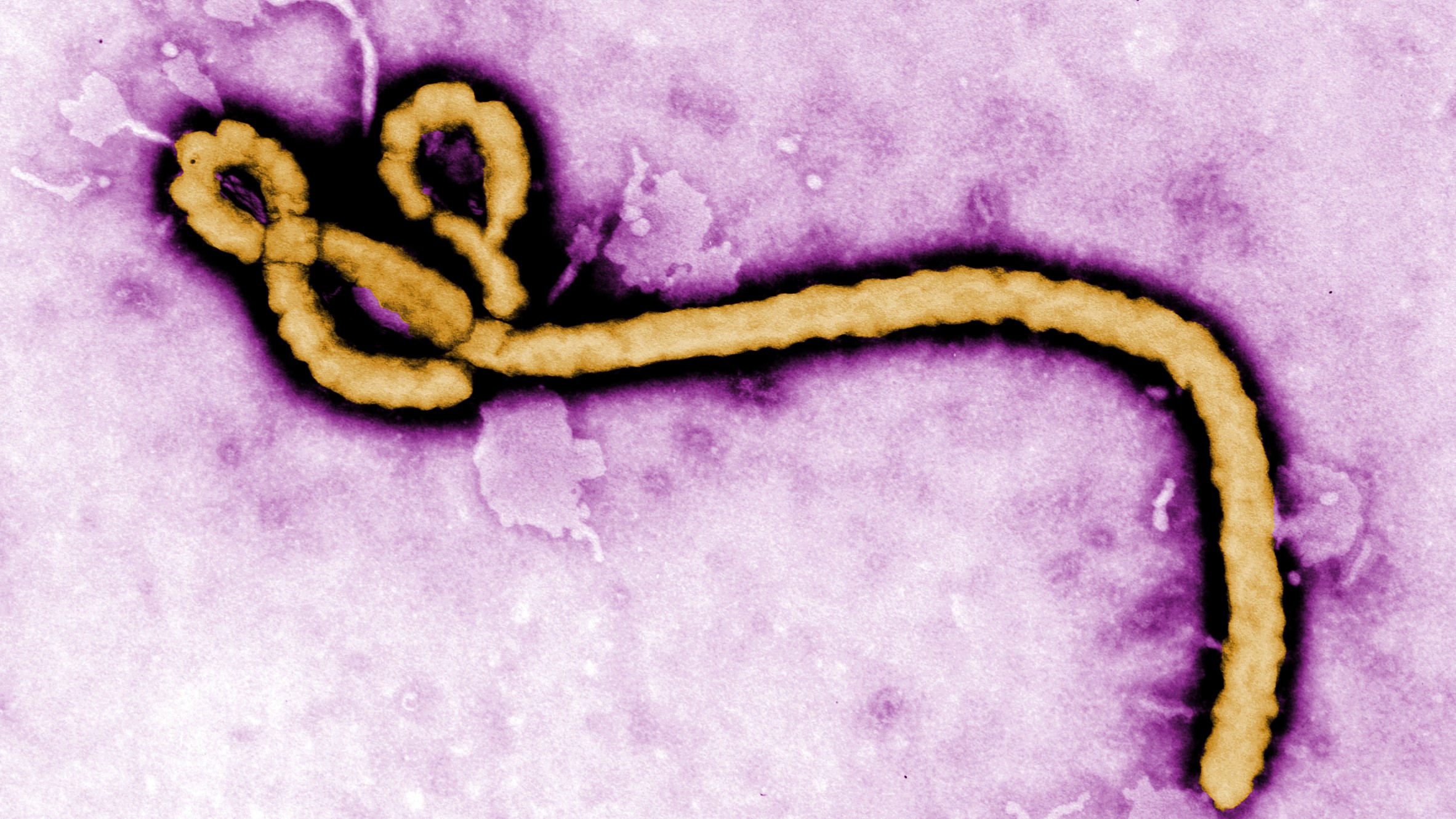
While some orthoebolaviruses, such as the Reston virus, have been documented in non-human primates like macaques, they have not yet been shown to cause disease in humans. The Bombali virus has been identified in bat populations, further expanding the scientific understanding of the virus’s ecology. Monitoring these reservoirs is a vital component of zoonotic disease surveillance, as it helps public health agencies anticipate potential spillover events before they escalate into larger crises.
Prevention and Global Health Strategy
The prevention of Ebola relies on a multi-faceted approach. Because the virus is spread through direct contact with the blood or body fluids of an infected person—or through contact with contaminated objects—strict infection control protocols are mandatory for healthcare workers. The use of appropriate personal protective equipment (PPE) and the implementation of rigorous screening and testing procedures are the primary defenses against nosocomial transmission.
Vaccination has emerged as a significant development in the fight against the disease. There is currently an FDA-approved vaccine available for the prevention of the Orthoebolavirus zairense species. The integration of this vaccine into vaccination campaigns, combined with the careful handling of bushmeat and the maintenance of coordinated medical response teams, forms the current strategic framework for controlling outbreaks.
Key Facts for Public Awareness
For those seeking to stay informed, the CDC provides updated guidance on the signs, symptoms, and safety measures regarding Ebola. The prognosis for a patient is heavily influenced by the specific viral species involved and the speed with which supportive medical care is initiated.
As the international community continues to monitor endemic regions in sub-Saharan Africa, the focus remains on early detection. Rapid diagnostic methods—such as the identification of viral RNA or specific antibodies in the blood—are essential for isolating cases and breaking the chain of transmission. Public health officials continue to stress that while the threat of Ebola is grave, the combination of scientific innovation and proactive community engagement is the most effective path toward reducing mortality rates.
Readers are encouraged to consult official health portals for the latest situational reports. As we look toward the coming months, the international health community is expected to continue its focus on strengthening local healthcare infrastructure to ensure that any future cases are met with a swift, evidence-based response. We invite you to share your thoughts or questions regarding global infectious disease preparedness in the comments section below.
Keep reading