As we approach the summer of 2026, global attention is increasingly focused on public health preparedness in the context of large-scale international gatherings. In recent days, there has been significant digital speculation concerning the Ebola virus and its potential impact on host cities for major upcoming sporting events in North America. As a physician and journalist, I believe it is essential to separate medical reality from misinformation, ensuring that our communities remain informed by verified science rather than fear-driven conjecture.
Ebola virus disease (EVD) is a severe, often fatal illness in humans, caused by viruses belonging to the Orthoebolavirus genus, according to the World Health Organization (WHO). While concerns regarding its spread are understandable given the disease’s high mortality rate—which has historically ranged between 25% and 90%—it is critical to recognize that these viruses are primarily found in sub-Saharan Africa. There is no evidence suggesting a current threat to the North American continent, nor is there any credible link between the Ebola virus and the logistical preparations for events in Mexico, the United States, or Canada.
Understanding Ebola: The Medical Facts
To navigate the current wave of misinformation, we must look at the established clinical profile of the disease. Ebola is a zoonotic viral hemorrhagic fever. According to the Centers for Disease Control and Prevention (CDC), the virus spreads through direct contact with the blood or body fluids of an infected person or through contact with contaminated objects. It is not an airborne disease, meaning it does not spread through the air like influenza or COVID-19.
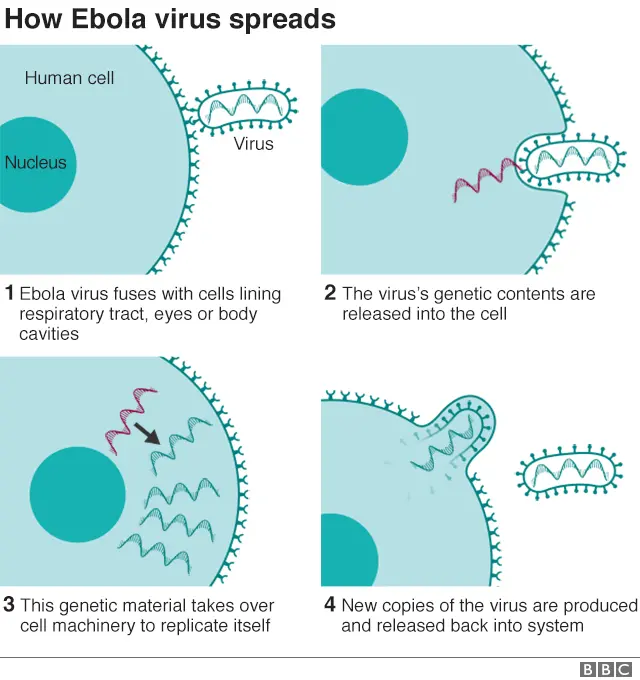
The symptoms of Ebola typically manifest between two days and three weeks after exposure, with an average onset of eight to 10 days. Early symptoms include fever, aches, pains, and fatigue, which are common to many viral illnesses, making clinical diagnosis dependent on laboratory testing for viral RNA or antibodies. The disease is categorized into several species, with the Orthoebolavirus zairense (Ebola virus) being the most well-known and the only one for which an FDA-approved vaccine currently exists.
Why Public Health Surveillance Matters
Global health security relies on rigorous surveillance and rapid response protocols. The WHO notes that outbreak control is managed through a comprehensive package of interventions, including intensive supportive care, infection prevention, contact tracing, and safe, dignified burial practices. While the international community remains vigilant regarding infectious disease threats, these protocols are standard practice for global health agencies.
The confusion often stems from a misunderstanding of how such viruses are classified and where they occur. Orthoebolaviruses were first discovered in 1976 in the Democratic Republic of the Congo. Since then, while localized outbreaks have occurred in sub-Saharan Africa, the virus has not established a foothold in the Americas. Health authorities in Mexico, the U.S., and Canada maintain robust infectious disease monitoring systems designed to detect and contain such pathogens immediately should they ever be introduced, though no such event is currently occurring.
Key Facts About Ebola Virus Disease
- Transmission: Direct contact with infected blood or body fluids; not airborne.
- Incubation Period: 2 to 21 days, with an average of 8 to 10 days.
- Prevention: Vaccines and therapeutics are currently approved only for the Orthoebolavirus zairense species.
- Management: Early supportive care, such as rehydration, significantly improves survival rates.
Distinguishing Misinformation from Public Health Updates
In an era of rapid digital communication, viral social media posts can often create an atmosphere of “panic” that lacks any factual foundation. When evaluating health news, readers should prioritize information from established governmental health agencies and international bodies like the WHO. As of May 29, 2026, there have been no public health advisories or emergency warnings issued by the relevant health ministries in North America regarding Ebola.
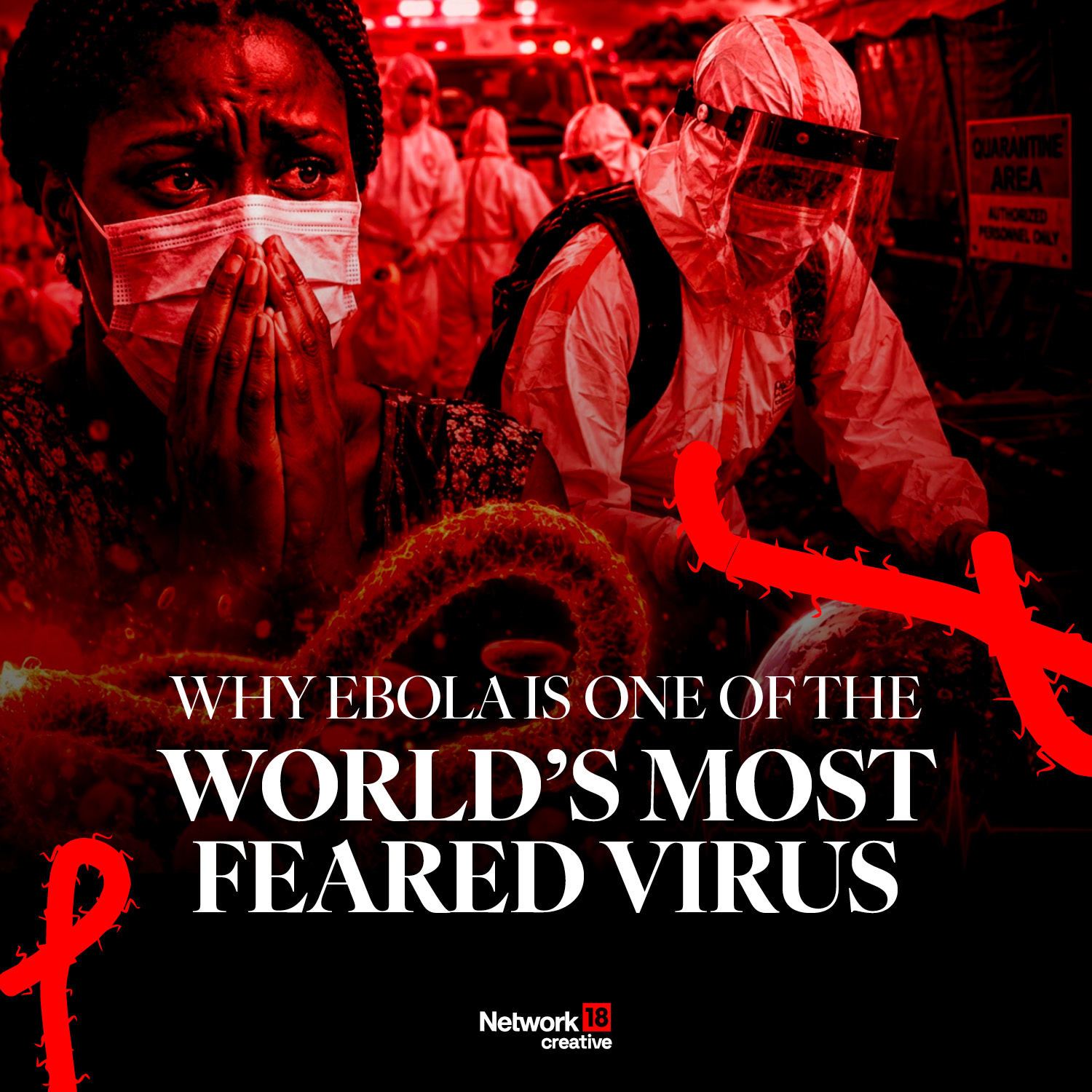
It is my role as a journalist to emphasize that medical preparedness is a year-round commitment, not a reaction to social media trends. If you are concerned about your health or infectious disease risks in your region, I encourage you to check the official portals of your local health department or the CDC’s official Ebola resource page. These platforms provide the most accurate, evidence-based guidance available to the public.
As we move forward, we should remain critical of sensationalized content that uses high-stakes hashtags to drive engagement. True health security is built on transparency, education, and the calm application of scientific principles. I will continue to monitor official health updates and provide verified analysis as new, credible information emerges. If you have questions regarding this topic, please leave a comment below or share this article to help ensure that accurate health information reaches our community.