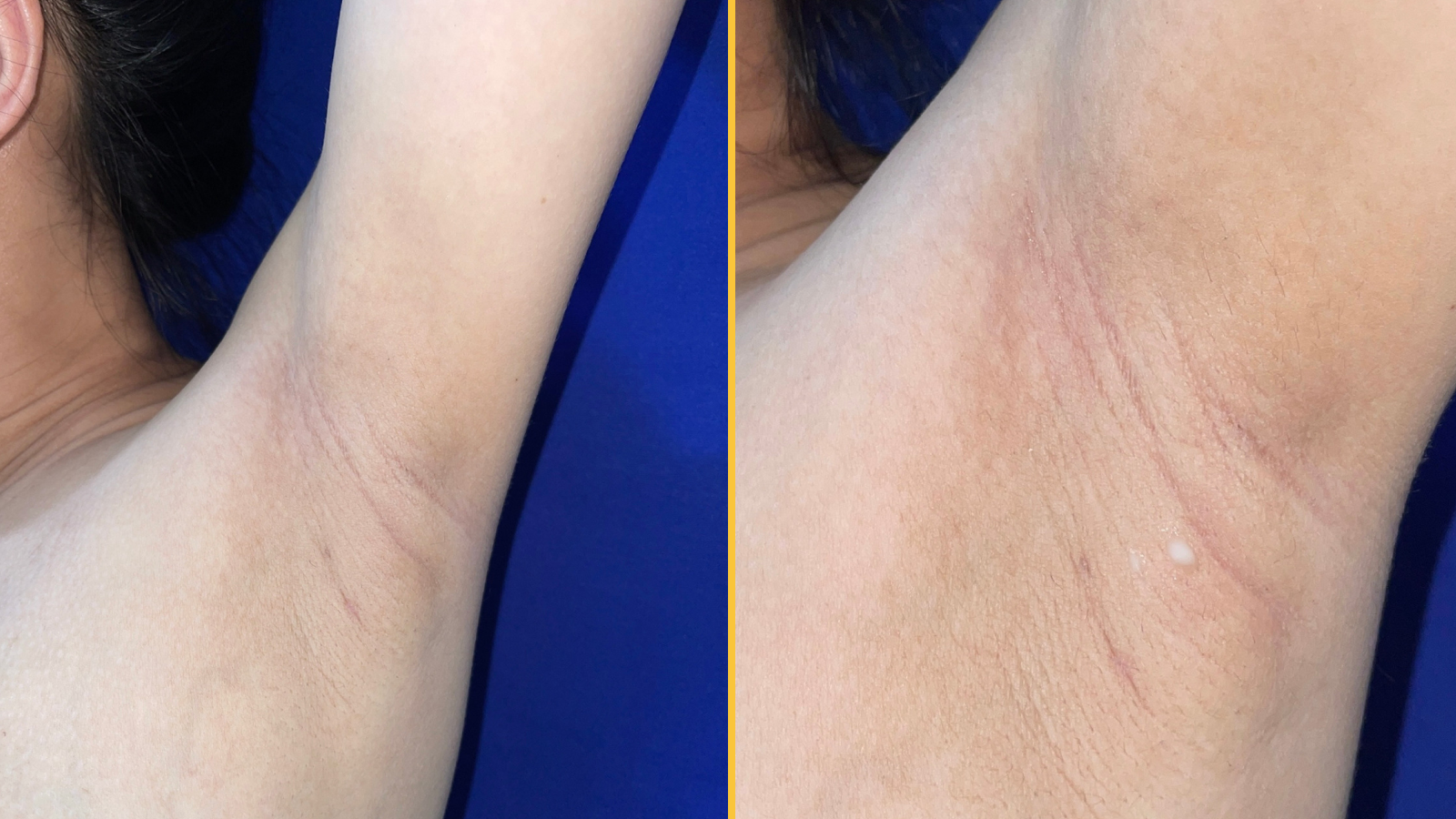
Understanding Accessory Breast Tissue: A Extensive Guide
Have you noticed unexpected swelling in your armpits or along the sides of your chest? It could be due to accessory breast tissue, a surprisingly common condition where breast tissue develops outside of the typical breast area. This article will explore what causes it, how it’s diagnosed, and what your options are if you suspect you have it.
What is Accessory Breast Tissue?
Accessory breast tissue, also known as polymastia or supernumerary breasts, occurs when breast tissue develops in locations other than the chest between the collarbone and the abdomen. It most commonly appears in the armpits, but can also occur along the line where your bra strap sits, or even lower down on your abdomen.
This extra tissue can range in consistency from soft and fatty to firm and glandular. Sometimes, it remains relatively small and unnoticed. In other cases, it can become quite prominent, especially during hormonal changes like puberty, pregnancy, or breastfeeding. Interestingly, accessory breasts can even develop a fully formed areola and nipple.
Who is Affected?
While often perceived as rare, accessory breast tissue affects an estimated 2% to 6% of women and 1% to 3% of men. A family history can play a role, with approximately 6% of cases believed to be inherited.However, it can also occur sporadically, with no known family connection.
Why Does it Happen?
The development of accessory breast tissue is linked to incomplete regression of the mammary ridge during embryonic development. Essentially, the tissue that’s meant to form the breasts doesn’t fully concentrate in the chest area, leaving remnants in other locations. Hormonal fluctuations can then stimulate this tissue,causing it to grow and become noticeable.
Recognizing the Symptoms
Symptoms can vary greatly depending on the amount of tissue present.You might experience:
* A noticeable lump or swelling in the armpit or along the chest wall.
* Sensitivity or pain in the affected area, especially during your menstrual cycle or pregnancy.
* A change in the size or shape of the lump over time.
* In some cases, a fully developed areola and nipple.
Diagnosis and What to Expect
If you discover a lump, it’s crucial to consult your doctor. They will likely perform a physical exam and may recommend imaging tests, such as a mammogram or ultrasound, to determine the nature of the tissue. It’s importent to rule out other potential causes of lumps, including lymph node swelling or, rarely, breast cancer.
Treatment Options
Treatment isn’t always necessary.If the accessory tissue is small, doesn’t cause discomfort, and isn’t a cosmetic concern, your doctor may recommend simply monitoring it. However, if the tissue is causing pain, embarrassment, or interfering with daily activities, several options are available:
* Surgical Removal: This is the most common treatment, involving the excision of the accessory breast tissue.
* Liposuction: If the tissue is primarily fatty, liposuction can be used to remove it.
* Hormonal Therapy: In some cases, hormonal therapy may be considered to reduce the size of the tissue, although this is less common.
Critically important Considerations & Cancer Screening
It’s vital to remember that accessory breast tissue carries the same risk of developing breast cancer as normal breast tissue. therefore, you should continue to follow your recommended breast cancer screening schedule, including regular self-exams and mammograms.
In a recent case, a woman with significant swelling in her armpits was initially offered surgical removal. however, she opted for watchful waiting after recalling that similar swelling had resolved after breastfeeding. Her doctors advised continued monitoring and adherence to her regular breast cancer screenings.
When to Seek Medical Attention
Don’t hesitate to see your doctor if you experience any of the following:
* A new lump or swelling in your armpit or chest area.
* Changes in the size, shape, or texture of a lump.
* Pain or tenderness in the affected area.
* Nipple discharge or changes in the nipple.
* Redness or inflammation of the skin.
Related reading