Ecuador to Fund Chevron Bailout Despite Decades-old Pollution Judgment
A controversial move by Ecuador’s President Daniel Noboa is sparking outrage, as his administration plans to allocate $220 million in public funds to Chevron. This payment effectively serves as a bailout for the oil giant, despite multiple court rulings holding Chevron responsible for extensive environmental damage in the Amazon rainforest.
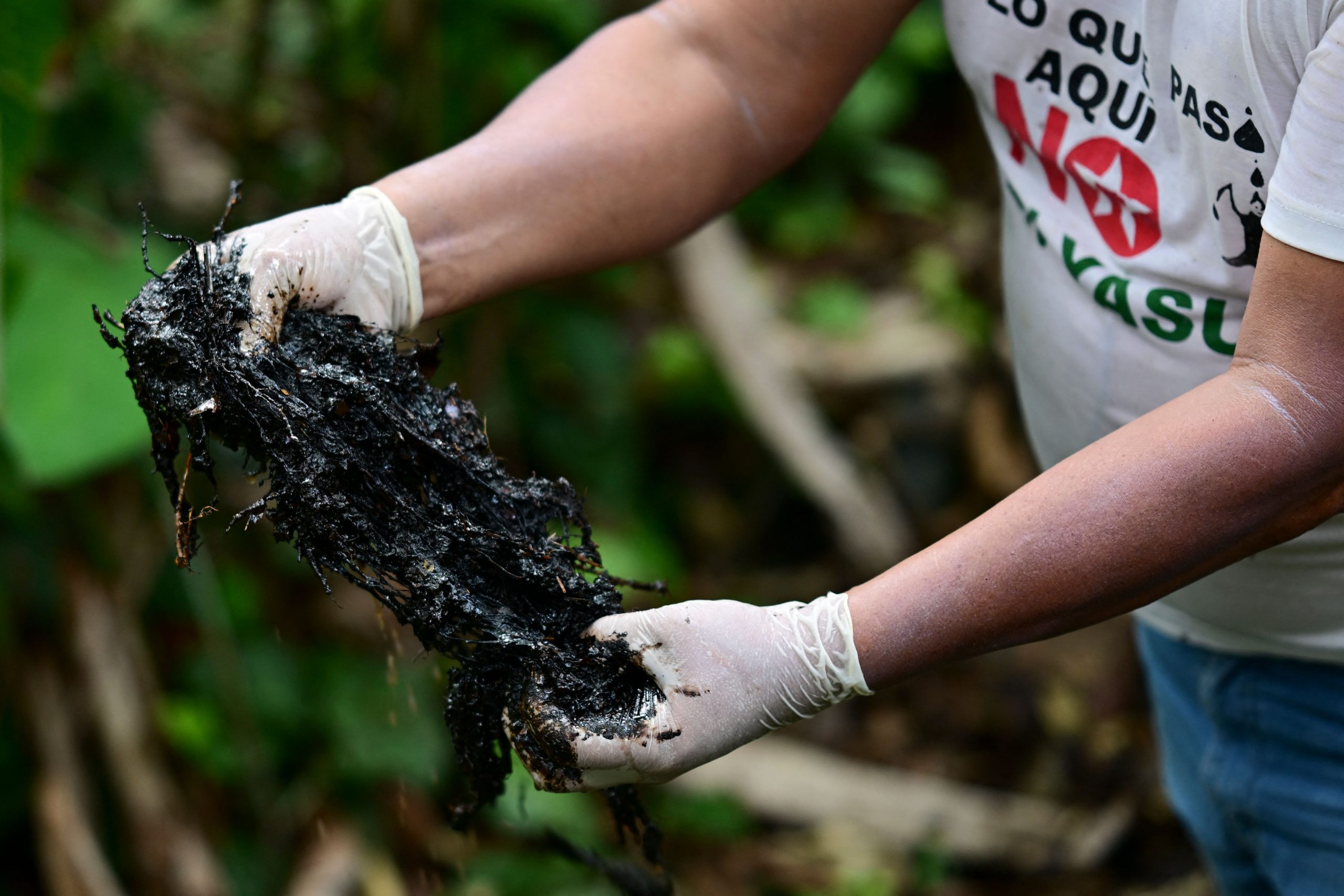
The core of this dispute lies in decades of pollution caused by Chevron’s operations – initially thru Texaco – in Ecuador between 1964 and 1990. Billions of gallons of toxic oil waste were deliberately dumped into rivers and streams vital to the livelihoods of thousands of Indigenous people. This contamination led to severe health problems,including cancer,and devastated local ecosystems.
A History of Legal Battles
For years, Amazonian communities have pursued legal recourse against Chevron. Here’s a breakdown of the key rulings:
* 1992: Indigenous Ecuadorians initially filed a class-action lawsuit in the United States.
* 2011: An Ecuadorian court issued a landmark $9.5 billion judgment against Chevron, recognizing the extensive damage and suffering caused by the pollution.
* Subsequent Appeals: Six public appellate courts, including the supreme Courts of both Ecuador and Canada, unanimously upheld the original judgment and confirmed the evidence of Chevron’s deliberate pollution.
* Ongoing Struggle: Despite these rulings, Chevron has consistently refused to pay the judgment, instead focusing on discrediting the legal process and attempting to evade responsibility.
The Proposed Bailout & Its Implications
Now, President Noboa’s plan to send $220 million to Chevron is seen by many as a betrayal of the Ecuadorian people. You might be wondering why Ecuador would pay a company found liable for such important harm.
Critics argue this move:
* Undermines the Rule of Law: It disregards the decisions of multiple courts and sets a risky precedent for corporate impunity.
* Prioritizes Corporate Interests: It favors a wealthy oil company over the health and well-being of vulnerable Indigenous communities.
* Misappropriates Public Funds: It diverts resources from essential public services to finance a corporate bailout.
“This would be an outrageous dereliction of duty and a violation of his oath of office,” stated a prominent advocate for the Amazonian communities. “It warrants removal.”
The Bigger Picture
This situation highlights a broader pattern of corporations prioritizing profit over environmental and social responsibility. It also underscores the challenges faced by Indigenous communities in seeking justice against powerful multinational companies.
You deserve to know that the $9.5 billion judgment remains the definitive public court ruling in this case. The proposed payment to Chevron doesn’t erase the company’s legal obligations or the suffering of those affected by the pollution. It simply represents a troubling attempt to circumvent justice through political maneuvering.
The fight for accountability continues, and the outcome of this situation will have far-reaching implications for environmental justice and corporate responsibility worldwide.
Related reading