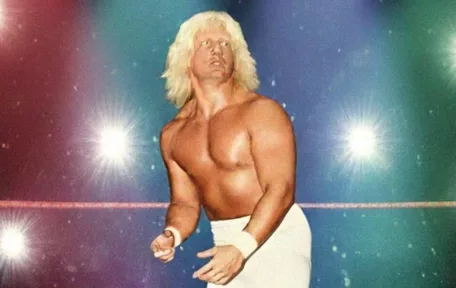
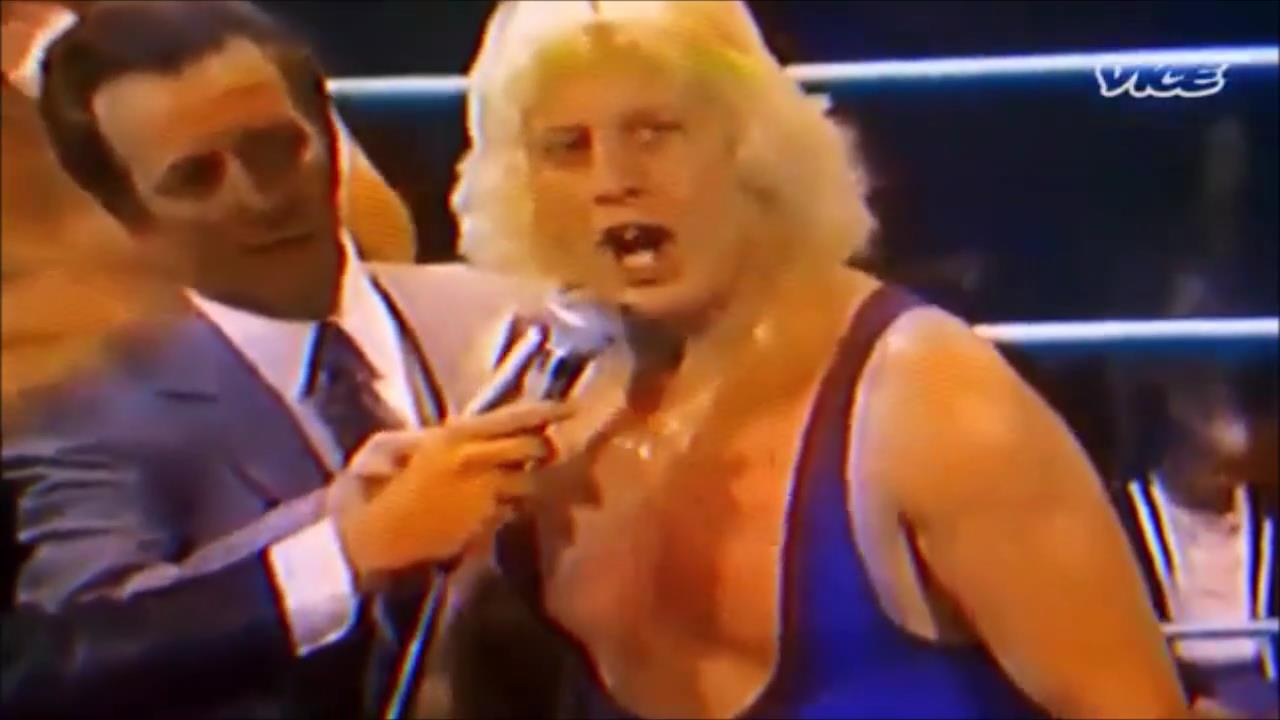
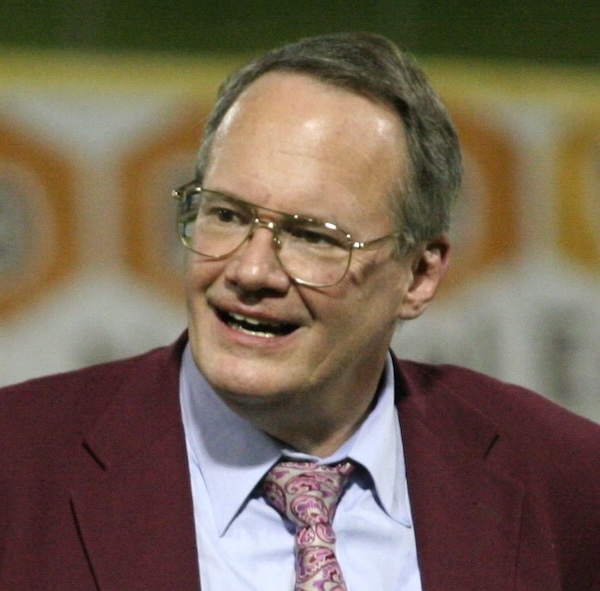
Former professional wrestler Eddy Mansfield has expressed a qualified appreciation for the career of Jim Cornette, acknowledging his industry knowledge and verbal skills while simultaneously distancing himself from the veteran manager’s broader contributions to the sport. Mansfield, a veteran of the territory era, characterized Cornette’s influence as being strictly limited to those specific traits during a recent discussion regarding the evolving landscape of professional wrestling.
The assessment highlights the ongoing discourse surrounding Jim Cornette, a polarizing figure in modern wrestling media and a former manager and booker who remains a frequent subject of debate among wrestling historians and fans. According to World Wrestling Entertainment (WWE) historical records, Cornette rose to prominence in the 1980s, managing high-profile tag teams such as The Midnight Express before transitioning into various creative and on-air roles across multiple organizations, including the NWA and the WWF.
Evaluating the Industry Influence of Jim Cornette
Eddy Mansfield’s commentary centers on the dichotomy often presented when discussing Cornette’s legacy. By stating that Cornette “knows wrestling” and possesses significant verbal ability, Mansfield aligns with a sentiment shared by many of Cornette’s contemporaries who credit him with a deep understanding of traditional ring psychology and effective promo work. However, Mansfield’s caveat—suggesting that these talents represent the extent of Cornette’s utility—reflects a critical perspective on Cornette’s impact on the industry’s direction.

Cornette’s career has been marked by a staunch adherence to “kayfabe”—the portrayal of professional wrestling as a legitimate athletic contest—and a vocal criticism of modern, high-flying, or “comedy-based” styles. According to National Wrestling Alliance (NWA) archives, this traditionalist approach helped define the promotion’s identity during the mid-20th century, a period Mansfield witnessed firsthand during his own tenure in the business.
The Evolution of Wrestling Commentary
The professional relationship between veteran figures like Mansfield and modern commentators is often defined by the shift from the territory system to the global, digital-first model of the 21st century. While Cornette has utilized podcasts and social media to maintain a platform, his critiques of current promotions, such as All Elite Wrestling (AEW), have frequently ignited public disputes among wrestlers, executives, and fans.
Data from Nielsen audience measurements indicate that professional wrestling remains a staple of cable television, yet the delivery of analysis has shifted toward independent creators. This transition allows figures like Cornette to command large audiences outside of traditional broadcast contracts, effectively turning professional wrestling analysis into a specialized branch of sports entertainment media.
Historical Context: The Territory Era
To understand the friction between these perspectives, it is necessary to look at the structure of the industry prior to the national expansion of the 1980s. During the “territory era,” wrestlers moved between regional promotions, each operating with distinct styles and creative philosophies. Mansfield, who competed during this period, represents a generation that prioritized the maintenance of secrets behind the scenes and the physical legitimacy of the product.
Cornette, while also a product of the territory system, has frequently argued that the loss of these regional distinctions has led to a decline in the overall quality of the product. This argument is regularly featured in his long-form interviews and commentary series. The clash between these viewpoints is not merely personal but representative of a broader industry-wide debate regarding the future of the sport as it balances athletic competition with performance art.
What Happens Next in Wrestling Media
As the industry continues to integrate digital engagement into its business model, the role of former wrestlers as critics and historians remains fluid. Fans can expect further debate regarding the “correct” way to present professional wrestling as promotions like WWE and AEW continue to chase global viewership numbers. The next significant checkpoint for industry analysis will likely coincide with the upcoming fiscal earnings calls for major wrestling organizations, where television ratings and live event attendance figures—often the primary metrics for success—will be scrutinized by industry analysts.
Readers interested in the history of the sport and the ongoing dialogue between its veterans are encouraged to share their thoughts in the comments section below. As these discussions evolve, the perspectives of figures like Mansfield continue to provide a window into the standards that once defined the professional wrestling business.