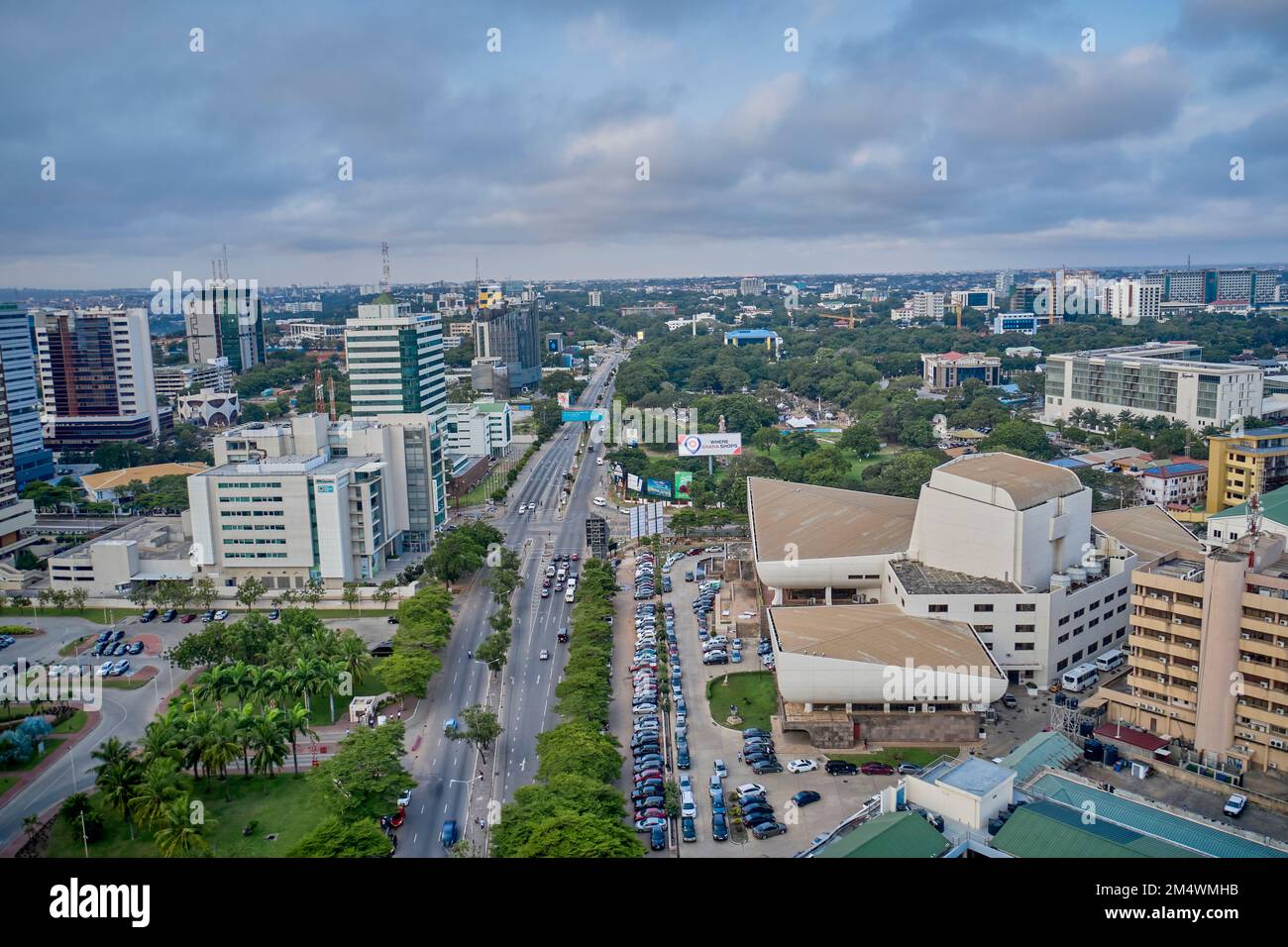
Ghana is hosting international leaders and activists for a summit aimed at establishing a formal framework for reparations regarding the trans-Atlantic slave trade. The conference, held in the historic coastal region of Cape Coast, serves as a focal point for ongoing discussions about historical justice, economic restitution, and the legacy of colonial-era human rights abuses. According to the African Union, these efforts seek to transform the collective memory of the slave trade into a concrete agenda for restorative justice.
The summit reflects a growing global movement to address the intergenerational trauma caused by the forced displacement of millions of Africans. While proponents argue that financial and developmental reparations are essential for economic parity, the logistical and legal path toward such compensation remains complex. The initiative is part of a broader push by the African Union and the Caribbean Community (CARICOM) to synchronize their strategies for seeking redress from nations and institutions that profited from the trade in enslaved people.
The Historical Context of Cape Coast
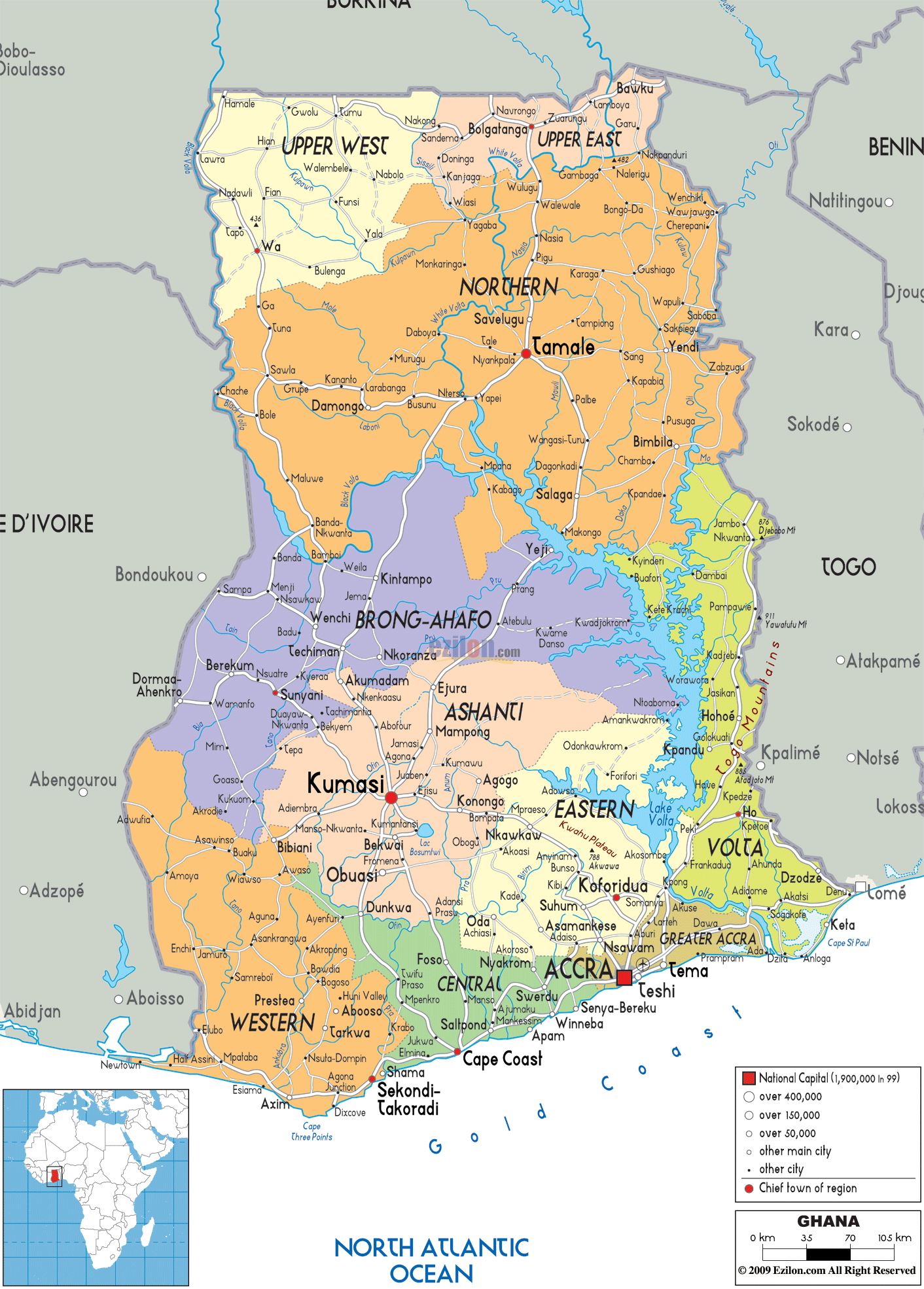
Cape Coast, home to one of the most prominent slave castles in West Africa, serves as a symbolic site for these discussions. The Cape Coast Castle, a UNESCO World Heritage site, functioned as a primary transit point for enslaved people before their forced departure across the Atlantic. By holding the summit in this location, organizers emphasize the tangible connection between the physical ruins of the slave trade and the contemporary demand for accountability.

The United Nations Educational, Scientific and Cultural Organization recognizes the site as a powerful reminder of the “Door of No Return,” a passage through which millions passed. For many participants, the proximity to these structures is intended to ground the political debate in the lived history of the victims. Activists argue that the site is not merely a monument, but a testament to the systematic extraction of human capital that fueled the development of colonial powers.
Defining Restorative Justice and Reparations
There is no singular definition of what “reparations” entails in this context, leading to varied expectations among stakeholders. For some, the goal is direct financial compensation to the descendants of enslaved individuals. For others, the focus is on developmental aid, the repatriation of stolen cultural artifacts, or a formal apology from the governments and institutions involved in the trade. The CARICOM Ten-Point Plan for Reparatory Justice, which is frequently cited in these summits, advocates for a multifaceted approach, including debt cancellation and the establishment of public health institutions.

The complexity of these demands is compounded by the lack of a unified legal mechanism to enforce such claims. Unlike post-conflict reparations overseen by international courts, the trans-Atlantic slave trade involves historical actors and institutions that have evolved over centuries. Consequently, the current strategy centers on building diplomatic consensus and moral pressure rather than immediate litigation.
Institutional Challenges and Political Hurdles
The pursuit of reparations faces significant opposition from several Western governments, which argue that current generations should not be held financially responsible for the actions of their predecessors. Critics of the movement often highlight the difficulty of calculating the precise economic value of stolen labor or identifying the specific beneficiaries of potential payouts. According to reports from the BBC, these debates often stall in international forums, as nations navigate the delicate balance between acknowledging historical wrongs and avoiding open-ended economic liability.
Despite these hurdles, the African Union continues to formalize its position. The “Accra Proclamation,” adopted during the inaugural conference in Accra, serves as the foundational document for the movement’s next steps. It calls for a dedicated fund to support research, documentation, and public education regarding the slave trade’s lasting impact. The goal is to move beyond abstract debates and toward a systematic, evidence-based approach that can be presented to international bodies, including the United Nations.
What Happens Next: The Path Forward
The next phase of the process involves the establishment of an international commission tasked with tracking the progress of these claims. Organizers intend to utilize this commission to gather data on the economic disparities directly traceable to colonial policies. This data is expected to form the basis of future negotiations with European governments and financial institutions.
For those following the situation, official updates and policy developments are periodically released through the African Union’s official portal. As the movement gains momentum, the international community remains divided on the feasibility of these claims, ensuring that the debate will continue to be a central feature of global human rights discourse for the foreseeable future. Readers interested in the evolution of this topic are encouraged to monitor upcoming sessions of the UN Permanent Forum on People of African Descent, where these issues are frequently addressed on a global stage.
What are your thoughts on the proposed frameworks for historical restitution? We invite you to share your perspective in the comments section below or join the conversation on our social media channels.
Keep reading