
Edgar Berlanga and Richardson Hitchings are scheduled to make their Zuffa Boxing debuts on July 26 in New York City, marking a significant expansion for the UFC’s parent company into the professional boxing arena. The event features Berlanga facing Steven Butler in a highly anticipated super middleweight matchup, while Richardson Hitchings is slated to compete against Ricardo Salas.
This announcement signals a strategic shift for Zuffa LLC, the organization that owns and operates the Ultimate Fighting Championship (UFC). While the company has historically focused on mixed martial arts, the introduction of a dedicated boxing division suggests an intent to leverage its massive global promotional infrastructure to compete with established boxing powerhouses like Matchroom Boxing and Top Rank. The July 26 card in New York serves as a cornerstone for this new venture, placing high-profile talent in one of the world’s most storied combat sports hubs.
Industry analysts note that Zuffa’s entry into boxing could disrupt the current landscape by applying the UFC’s “event-driven” model to the boxing world. This includes high-production value, centralized digital distribution, and a heavy emphasis on athlete branding. As the combat sports market continues to consolidate, the presence of a major player like Zuffa in the boxing ring represents a significant shift in promotional influence and athlete recruitment strategies.
The Main Event: Edgar Berlanga vs. Steven Butler
The marquee bout of the July 26 event features Edgar Berlanga, a rising force in the super middleweight division, against the experienced Steven Butler. Berlanga, known for his significant punching power and aggressive style, enters this Zuffa debut as one of the most watched prospects in the weight class. His ability to end fights with single, heavy blows has made him a central figure in recent discussions regarding the next generation of super middleweight contenders.
Steven Butler provides a formidable stylistic challenge for Berlanga. Butler is recognized for his technical boxing ability and high ring intelligence, often utilizing movement and defensive responsibility to neutralize power punchers. For Butler, this fight represents an opportunity to prove his veteran status against a younger, more explosive opponent on a global platform. The matchup presents a classic “power vs. technique” narrative that has historically driven high viewership in professional boxing.
According to recent divisional rankings, the super middleweight landscape is currently undergoing a period of transition. Berlanga’s performance on July 26 will likely determine his trajectory toward world title opportunities. If he can successfully navigate Butler’s technical approach, he positions himself as a primary contender for major sanctioning body titles. Conversely, a victory for Butler would reinforce his standing as a top-tier gatekeeper capable of upsetting rising stars.
Richardson Hitchings vs. Ricardo Salas: Testing the Rising Talent
In the co-featured bout, Richardson Hitchings is set to face Ricardo Salas. Hitchings has established himself as a technically proficient fighter in the lighter weight classes, characterized by his speed and ability to control the tempo of a fight. His transition to the Zuffa Boxing platform is viewed by many as a critical step in his professional development and a test of his ability to compete under a new promotional banner.
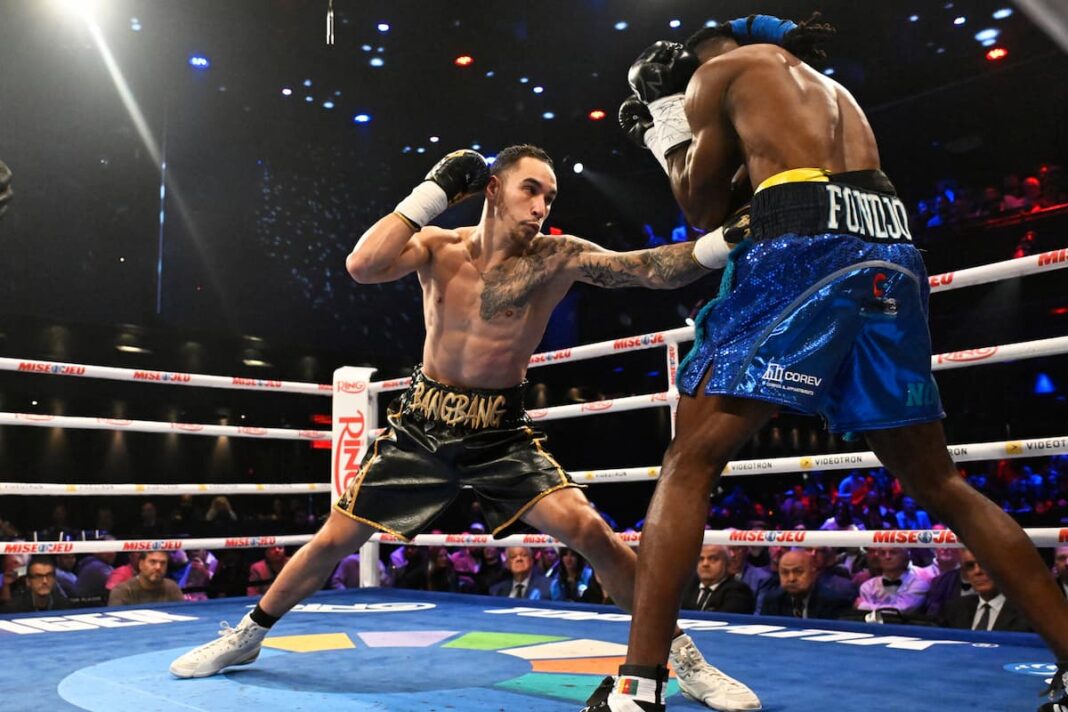
Ricardo Salas enters the ring as a resilient opponent known for his durability and willingness to engage in high-volume exchanges. The matchup between Hitchings and Salas is expected to be a high-paced affair, testing Hitchings’ defensive capabilities against Salas’s relentless pressure. For Salas, the bout offers a chance to secure a high-profile win that could elevate his standing in the international rankings.
The technical nuances of this fight will likely center on Hitchings’ ability to manage distance. As a fighter who relies on precision and timing, Hitchings must avoid being drawn into a brawl where Salas’s volume could overwhelm him. Analysts suggest that the outcome of this fight will provide essential data on Hitchings’ readiness for elite-level competition within the Zuffa ecosystem.
The Strategic Importance of the New York City Venue
Selecting New York City for the Zuffa Boxing debut is a calculated move. New York has served as a historic epicenter for professional boxing, hosting legendary bouts at venues ranging from Madison Square Garden to various prominent arenas throughout the boroughs. By launching in this market, Zuffa is tapping into a deep-rooted boxing culture and a sophisticated fan base that understands the nuances of the sport.
The logistical and cultural advantages of a New York City launch include:
- Media Access: The city provides immediate access to major international sports media outlets and broadcasting hubs.
- Fan Engagement: New York’s diverse and passionate combat sports audience offers a high potential for live gate revenue and local engagement.
- Historical Prestige: Aligning a new brand with the history of New York boxing lends immediate legitimacy to the promotion.
Zuffa’s ability to execute a high-level event in such a competitive market will be a litmus test for their operational capabilities in boxing. The success of the July 26 card will likely influence the company’s future scheduling and its ability to attract further top-tier talent to its platform.
How Zuffa Could Disrupt the Boxing Landscape
The entry of Zuffa into boxing is not merely the addition of another promoter; it is the introduction of a different business philosophy. The UFC has mastered the art of creating “stars” through consistent exposure, high-frequency scheduling, and a heavy emphasis on personality-driven content. If Zuffa applies these same principles to boxing, the industry may see a shift in how fighters are marketed and how fans consume the sport.

One key area of potential disruption is the integration of digital media and direct-to-consumer platforms. While traditional boxing has often relied on massive television networks and pay-per-view models, Zuffa has a proven track record of utilizing multifaceted digital strategies. This could lead to more accessible viewing experiences and more interactive ways for fans to engage with the fighters.
Furthermore, the crossover potential between MMA and boxing cannot be ignored. Zuffa’s existing relationship with a massive global audience of combat sports fans provides a built-in marketing engine. Many fans who follow the UFC may be incentivized to follow Zuffa Boxing, creating a unique cross-pollination of audiences that traditional boxing promoters struggle to achieve.
Fight Card Summary: July 26 in New York City
| Weight Class | Matchup | Promotion Type |
|---|---|---|
| Super Middleweight | Edgar Berlanga vs. Steven Butler | Zuffa Boxing Debut |
| Super Lightweight/Welterweight | Richardson Hitchings vs. Ricardo Salas | Zuffa Boxing Debut |
As the July 26 date approaches, more details regarding the specific venue in New York City, official broadcast partners, and ticket availability are expected to be released. The boxing community will be watching closely to see how Zuffa manages this critical first step in its expansion into the professional boxing market.
The next scheduled update is expected when Zuffa or the event organizers announce the official broadcast rights and ticket sales information. For ongoing coverage and technical analysis of these matchups, follow our sports section for the latest developments.
What are your thoughts on Zuffa’s move into boxing? Will Berlanga’s power be too much for Butler? Let us know in the comments below and share this article with your fellow combat sports fans.