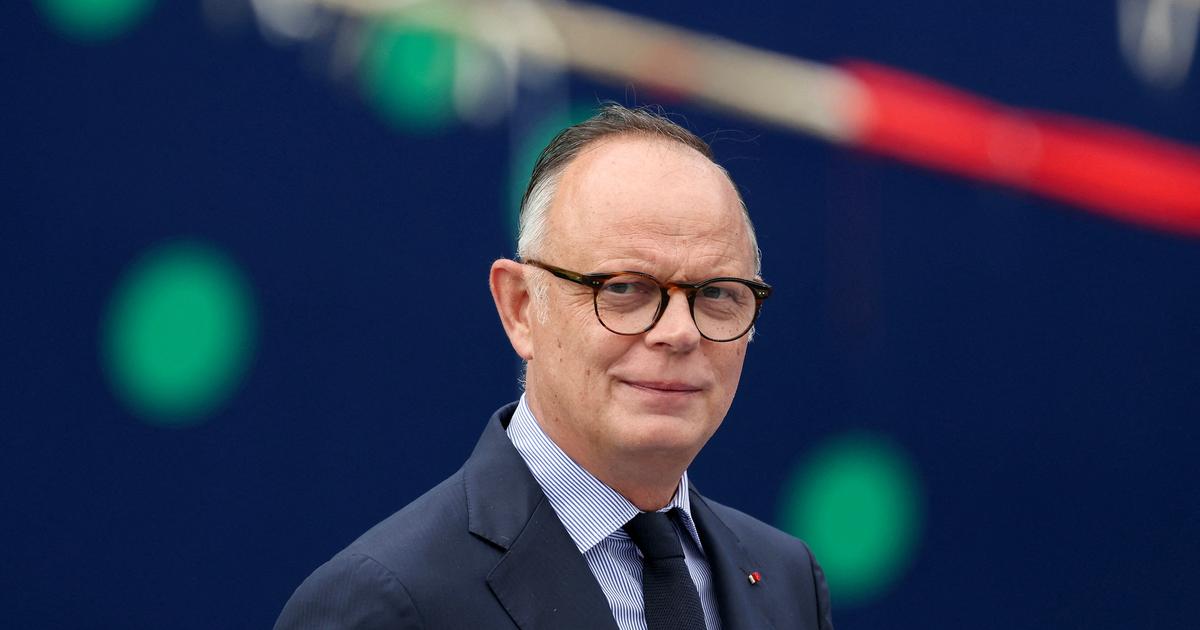
Former French Prime Minister Édouard Philippe has increasingly become associated with the prospect of raising the legal retirement age to 67, a policy stance that critics have characterized as a “candidate of blood and tears.” As the founder of the Horizons party and a potential contender for future national leadership, Philippe faces a political landscape defined by the tension between long-term fiscal sustainability and immediate public resistance to structural pension reforms.
The label, which invokes imagery of extreme sacrifice, stems from Philippe’s public discussions regarding the necessity of balancing France’s social security accounts. While the French government successfully pushed through an increase in the retirement age from 62 to 64 in 2023, the debate over further adjustments remains a volatile issue in national politics, according to official legislative records from the 2023 reform process. Philippe has consistently argued that maintaining the current system is mathematically unsustainable given the country’s demographic shifts.
The Political Cost of Pension Reform
The “blood and tears” characterization reflects the high political stakes involved in modifying the French pension system. Historically, any attempt to extend the working life of French citizens has triggered widespread protests and labor union mobilization. For Édouard Philippe, who served as Prime Minister under President Emmanuel Macron from 2017 to 2020, the challenge lies in framing these unpopular fiscal measures as a form of “courageous” governance rather than punitive policy.

Political analysts note that the narrative surrounding Philippe is intentionally being shaped by his opponents to highlight a perceived disconnect between his technocratic approach and the daily economic realities of the French electorate. By emphasizing the necessity of austerity, Philippe risks being viewed as a leader who prioritizes institutional stability over social welfare. This positioning is particularly sensitive as he seeks to broaden the appeal of the Horizons party beyond its center-right base.
Economic Context and Demographic Shifts
The debate over the retirement age is fundamentally tied to the demographic data provided by INSEE (National Institute of Statistics and Economic Studies), which shows a steadily aging population in France. As the ratio of active workers to retirees continues to decline, the financial burden on the pay-as-you-go pension system has intensified. Philippe’s supporters argue that his willingness to address the 67-year retirement threshold demonstrates a commitment to the long-term solvency of the state, even at the risk of personal electoral damage.

However, the transition from a 64-year retirement age—the current target established by the 2023 law—to 67 represents a significant leap that would require substantial legislative support. Currently, there is no formal government proposal to raise the age to 67. The discussion remains largely in the realm of political discourse, serving as a litmus test for how the French public reacts to the prospect of further reform.
Who is Affected by Potential Policy Changes?
If such a reform were to be enacted, the impact would be felt primarily by younger workers and those currently in mid-career, who would face a longer period of mandatory contributions to receive a full pension. The Conseil d’orientation des retraites (COR), the independent body tasked with monitoring the pension system, regularly publishes reports on the financial trajectories of the system. Their findings provide the empirical basis for why figures like Philippe discuss the need for further adjustments, though they do not endorse specific political proposals.
For the average citizen, the uncertainty surrounding future pension rules creates anxiety regarding retirement planning. The political framing of these issues as a “trap” suggests that Philippe is aware of the danger: if he focuses too heavily on these reforms, he risks alienating the broad coalition needed for a presidential bid. Conversely, if he ignores the fiscal reality, he risks losing credibility with the business and economic sectors that favor structural reform.
Next Steps in the National Debate
The discussion regarding the retirement age is expected to remain a central theme in the lead-up to the next French presidential election cycle. While no specific date for new pension legislation has been set, the French National Assembly will continue to serve as the primary forum for debating social security financing bills. Interested observers can monitor the official parliamentary agenda for upcoming sessions on social welfare reform.

As the political climate shifts, the ability of candidates like Édouard Philippe to reconcile the demands of economic reform with the concerns of the labor force will likely determine their viability. Readers are encouraged to share their views on these developments in the comments section below and stay informed through official government publications regarding future fiscal policy.