unveiling the Expanding Universe: A Century of Cosmic Finding
For generations, humanity has gazed at the night sky, pondering our place in the vast cosmos.It wasn’t until the 20th century, however, that we began too truly understand the universe’s dynamic nature – that it isn’t static, but actively expanding. This revelation, built on decades of meticulous work, fundamentally changed our understanding of existence.
The Foundation: Henrietta Leavitt and Cepheid Variables
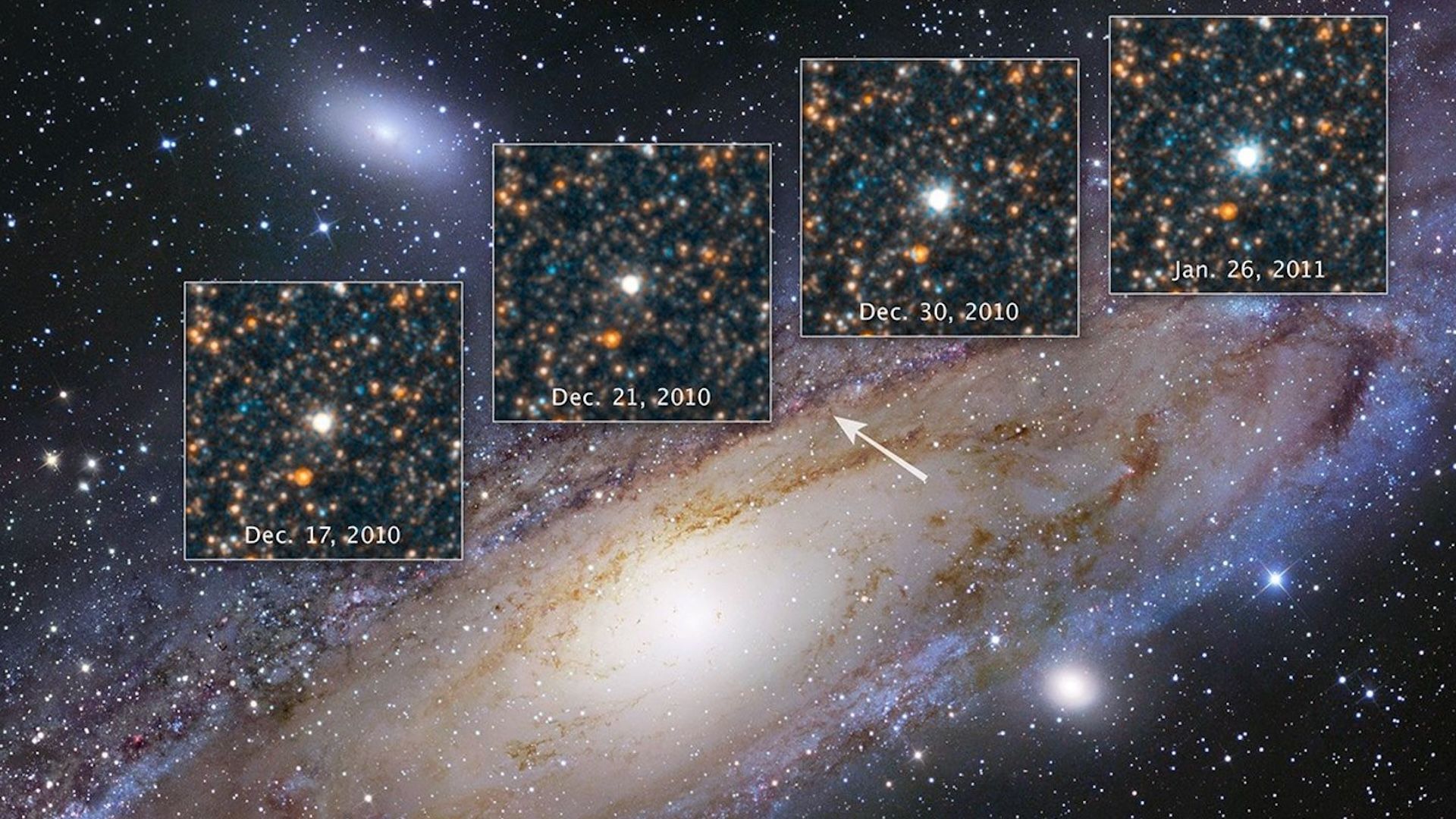
The story begins wiht Henrietta Leavitt, a pioneering astronomer working at the Harvard College Observatory in the early 1900s. She meticulously studied Cepheid variable stars,a unique class of stars that pulse with a predictable brightness. Leavitt discovered a crucial relationship: the brighter a cepheid, the slower it pulsates.
This discovery was revolutionary because it provided a “standard candle” for measuring cosmic distances. You can determine a Cepheid’s intrinsic brightness by observing its pulsation rate,and then compare that to its apparent brightness as seen from Earth. This difference reveals its distance.
Edwin Hubble and the Distant Galaxies
Building on Leavitt’s work, Edwin Hubble turned his attention to the Andromeda galaxy (M31) in the 1920s. He identified Cepheid variables within Andromeda, allowing him to calculate its distance – proving it was far beyond our own Milky Way. This meant Andromeda wasn’t just a nebula within our galaxy, but a separate galaxy in its own right.
Hubble didn’t stop ther. He combined Leavitt’s distance measurements with observations from milton Humason and others regarding the “redshift” of galaxies. redshift occurs when light waves are stretched as an object moves away from us, shifting the light towards the red end of the spectrum.
Hubble found a striking correlation: the farther away a galaxy was, the faster it was receding. This observation became known as Hubble’s Law and demonstrated the universe is expanding.
the Hubble Constant and the Accelerating Expansion
Hubble’s calculated rate of expansion became known as the Hubble constant. Subsequent observations have consistently confirmed the universe’s expansion, and the discovery of dark energy in the 1990s revealed that this expansion is actually accelerating.
However, a fascinating puzzle has emerged in recent years. Modern measurements of the Hubble constant don’t quite agree with each othre. This discrepancy suggests our current cosmological models might be incomplete.
What Does This Mean for the Future?
this ongoing debate is driving cutting-edge research. Scientists are employing new techniques and powerful telescopes, like the James Webb Space Telescope, to refine our measurements and understand the underlying physics.
Here’s what’s at stake:
* new Physics: Resolving the Hubble constant tension could reveal new particles or forces beyond our current understanding.
* Refined Cosmological Models: It may require us to revise our models of the universe’s composition, evolution, and ultimate fate.
* Deeper Understanding of Dark Energy: A more precise Hubble constant could shed light on the mysterious nature of dark energy,the force driving the accelerated expansion.
The story of the expanding universe is a testament to human curiosity and the power of scientific inquiry. from Leavitt’s careful observations to Hubble’s groundbreaking discoveries and the ongoing efforts of today’s cosmologists, we continue to unravel the secrets of the cosmos, one measurement at a time. You can be sure that the quest to understand our universe will continue to inspire and challenge us for generations to come.
Worth a look