
The U.S. Department of the Treasury has expanded its sanctions program against Cuba, targeting the state-owned energy sector in a move the administration describes as a measure to restrict the Cuban government’s access to resources. This latest escalation in economic pressure, which includes designations against the state-run oil company CUPET, has prompted a series of sharp rhetorical exchanges between Havana and Washington, specifically involving Senator Marco Rubio.
According to official statements from the U.S. Treasury Department, the inclusion of the Unión Cuba-Petróleo (CUPET) on the Specially Designated Nationals and Blocked Persons List (SDN) is intended to target the financial architecture supporting the Cuban regime. The move follows a long-standing pattern of U.S. economic policy aimed at curbing the influence of the Cuban Communist Party, a strategy that has been consistently supported by Senator Marco Rubio of Florida. You can find the official details of these designations via the U.S. Department of the Treasury resource center.
The Diplomatic Impact of U.S. Sanctions
The Cuban government, led by President Miguel Díaz-Canel, has characterized these economic restrictions as part of a broader, hostile strategy. In recent public addresses, Díaz-Canel has argued that the United States is actively fostering three specific scenarios for the island: a social uprising, forced dialogue, or direct military aggression. These remarks, reported via CNN en Español, highlight the deepening divide between the two nations as the Biden administration maintains a policy of restricted engagement.
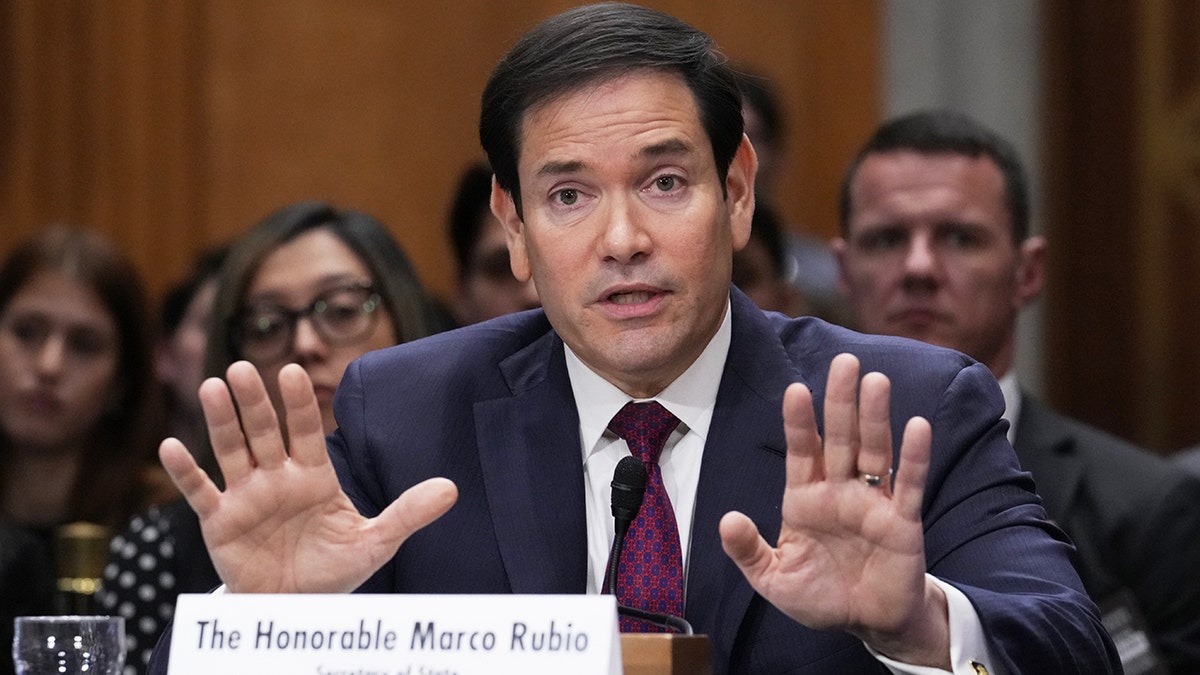
The focus on Marco Rubio by Cuban officials stems from the Senator’s vocal advocacy for a “maximum pressure” campaign against Havana. As a senior member of the Senate Foreign Relations Committee, Rubio has frequently called for intensified scrutiny of Cuban state entities. His influence on U.S. policy toward Latin America remains a central point of contention for the Cuban leadership, which often identifies him as a primary architect of the current blockade-style restrictions.
Energy Sector Targets and Economic Pressure
By targeting CUPET, the U.S. government is focusing on the primary entity responsible for the exploration, production, and distribution of oil and gas in Cuba. The energy sector has been a frequent subject of U.S. oversight due to its role in generating revenue for the state. As documented by El País, the sanctions aim to tighten the economic environment for the island’s leadership, though critics of the policy argue that such measures disproportionately affect the civilian population rather than the political elite.
This approach to sanctions is part of a broader geopolitical debate regarding the efficacy of economic isolation. While proponents of the sanctions argue they are necessary to promote democratic change and human rights, others maintain that the strategy has failed to alter the political status quo on the island for decades. The debate over whether these measures are a catalyst for change or a source of humanitarian hardship remains a primary point of friction in U.S.-Cuba relations.
Geopolitical Context and Future Projections
The current climate of tension is also being analyzed through the lens of potential shifts in U.S. foreign policy. Analysts, including former intelligence officials, have noted that the framing of these issues often serves domestic political narratives. As reported by El Mundo, the construction of a specific narrative by U.S. political figures is often intended to justify further escalation, regardless of the immediate impact on the ground in Havana.
The situation remains fluid, with both sides entrenched in their respective positions. For observers of international affairs, the primary checkpoint for future developments will be the upcoming biannual review of U.S. export controls and any potential adjustments to the Treasury’s sanctions list. As of the current reporting period, no formal dialogue between the two administrations has been scheduled to address the recent energy-related designations.
We invite our readers to share their perspectives on these developments in the comments section below. For those interested in tracking further updates regarding U.S. foreign policy toward the Caribbean, official documentation is available through the U.S. Department of State’s Cuba country page.
Worth a look
- What is Ubuntu? The African Philosophy of “I Am Because You Are
- Since you didn’t provide the content of the article, I cannot create a specific title. However, if the article is a general “Latest Updates” piece, the most perfect SEO title would be: Latest News and Updates: Everything You Need to Know Today