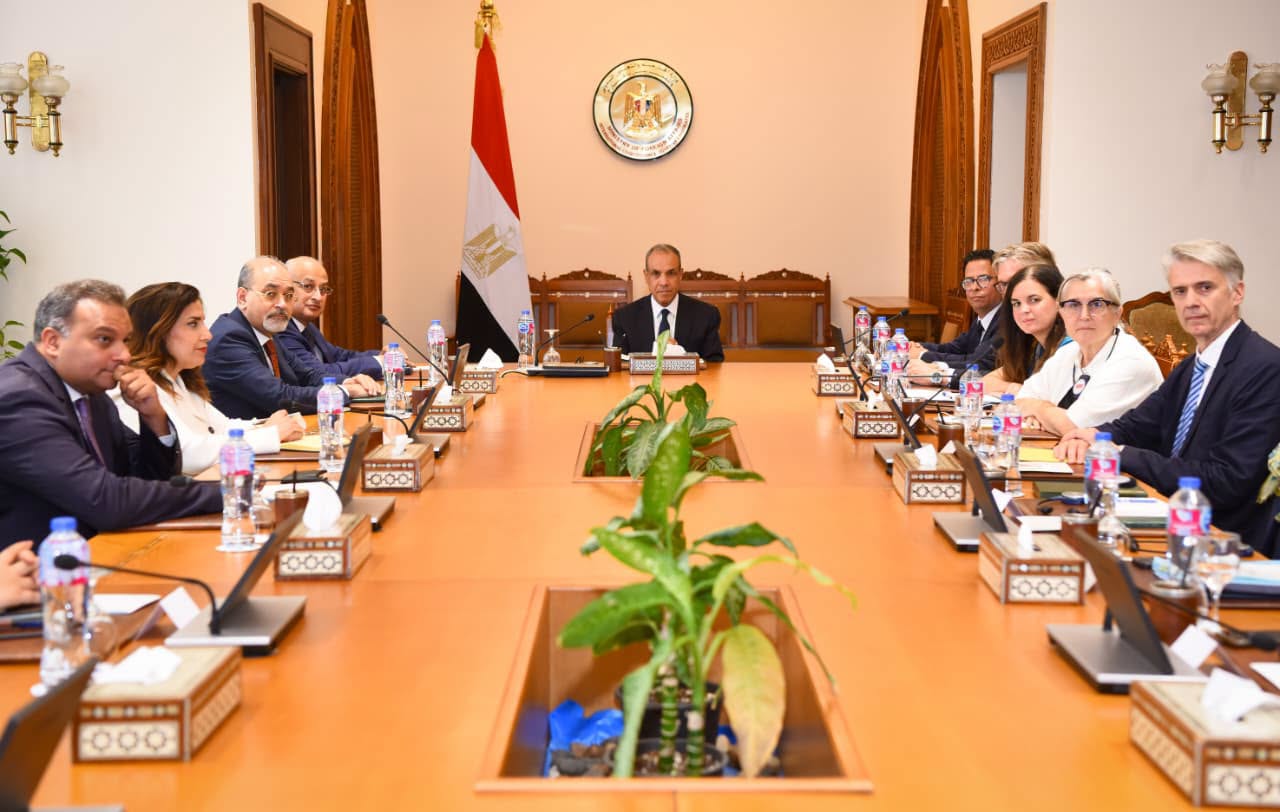
Egypt is currently drafting its second five-year National Human Rights Strategy for the 2026–2031 period, aiming to consolidate democracy, citizenship, and the rule of law, according to Minister of Foreign Affairs, International Cooperation and Egyptian Expatriates Badr Abdelatty. Speaking to a visiting European Parliament delegation on Tuesday, Abdelatty outlined Cairo’s ongoing legislative and institutional efforts to advance fundamental rights despite severe regional and economic pressures.
The high-level discussions in Cairo brought together Egyptian state officials and members of the European Parliament’s Subcommittee on Human Rights, led by Member of the European Parliament Mounir Satouri. During the talks, European delegates formally acknowledged the acute economic headwinds and complex geopolitical instability confronting the country, while explicitly praising Egypt for sheltering millions of refugees, asylum seekers, and migrants.
European officials characterized Egypt as a key partner for the European Union in supporting regional stability, pointing to the recent elevation of bilateral ties to a comprehensive and strategic partnership. Both sides used the parliamentary meeting to advocate for deeper legislative exchanges, mutual delegations, and extended institutional cooperation.
Upgrading Domestic Frameworks and Institutional Oversight
Abdelatty detailed the Egyptian government’s systematic efforts to upgrade its comprehensive human rights architecture in direct alignment with presidential directives. Central to this domestic agenda is the Supreme Standing Committee for Human Rights, a body chaired by Abdelatty himself, which coordinates state compliance and policy formulation across legislative, civil, and political domains.
The foreign minister emphasized that the forthcoming 2026–2031 strategy seeks a deliberate balance between traditional civil and political liberties and vital economic, social, and cultural rights. State policy places targeted emphasis on vulnerable demographics, including women, children, youth, the elderly, and persons with disabilities. According to the foreign ministry, improving rights conditions is an incremental, cumulative process that requires sustained, constructive dialogue with civil society organizations and international bodies like the United Nations and the European Union.
Balancing Regional Crises with Social Protection Programs
Cairo’s human rights roadmap operates against a backdrop of steep domestic and international hurdles. Abdelatty pointed to persistent security threats, including the threat of terrorism, alongside the immense financial and logistical burden of hosting millions of displaced foreign nationals amid ongoing regional instability.
Despite these strains, the government continues to roll out major national initiatives designed to secure basic socio-economic rights. Programs such as the “Decent Life” rural development initiative and the “100 Million Healthy Lives” public health campaign form the backbone of an expanding social protection net aimed at upgrading informal settlements and raising living standards for millions of low-income citizens.
International Engagement and Future Geneva Commitments
On the international stage, Egypt maintains active engagement with global accountability mechanisms, including the periodic submission and defense of national human rights reports before the United Nations Human Rights Council’s Universal Periodic Review. Abdelatty confirmed that Cairo intends to sustain an active, constructive role during its upcoming term as a member of the UN Human Rights Council in Geneva for the 2026–2028 cycle.
European delegates welcomed the transparency and direct dialogue offered during the visit. Abdelatty expressed hope that the exchanges would give European policymakers a firsthand view of legislative and administrative progress on the ground, fostering stronger technical cooperation as Cairo prepares to implement its next multi-year strategic framework.
Keep reading