Mandatory Medical Examinations for Egyptian Parliamentary Candidates: A Deep Dive
The upcoming parliamentary elections in Egypt are being accompanied by a critically important new requirement: mandatory medical examinations for all candidates. This initiative, announced by the Ministry of Health and Population, aims to ensure a transparent and legally sound electoral process. But what does this entail, and what are the implications for prospective lawmakers and the election itself? This article provides a complete overview, addressing concerns and outlining the practicalities of this new regulation. We’ll explore the rationale behind the policy, the scope of the examinations, and its potential impact on candidate eligibility and the overall integrity of the elections.
Why the Shift to Mandatory Health Checks?
Did You Know? Egypt isn’t alone in implementing health requirements for political candidates. Several countries have similar regulations, often justified by concerns about a candidate’s ability to fulfill their duties effectively.
The introduction of mandatory medical examinations represents a proactive step towards strengthening the foundations of Egyptian democracy. The Ministry of Health frames this as part of a broader effort to establish a unified and transparent medical evaluation system. This move addresses potential ambiguities in previous procedures and aims to standardize the assessment of candidate health, ensuring compliance with legal stipulations.The core objective is to guarantee that all candidates are physically and mentally capable of performing the demanding tasks associated with parliamentary office. This isn’t simply about identifying illness; it’s about ensuring candidates can effectively represent their constituents and participate fully in the legislative process. Recent discussions surrounding political accountability and the demands of public office have likely contributed to this decision.
Scope of the Medical Evaluations: What Do Candidates Face?
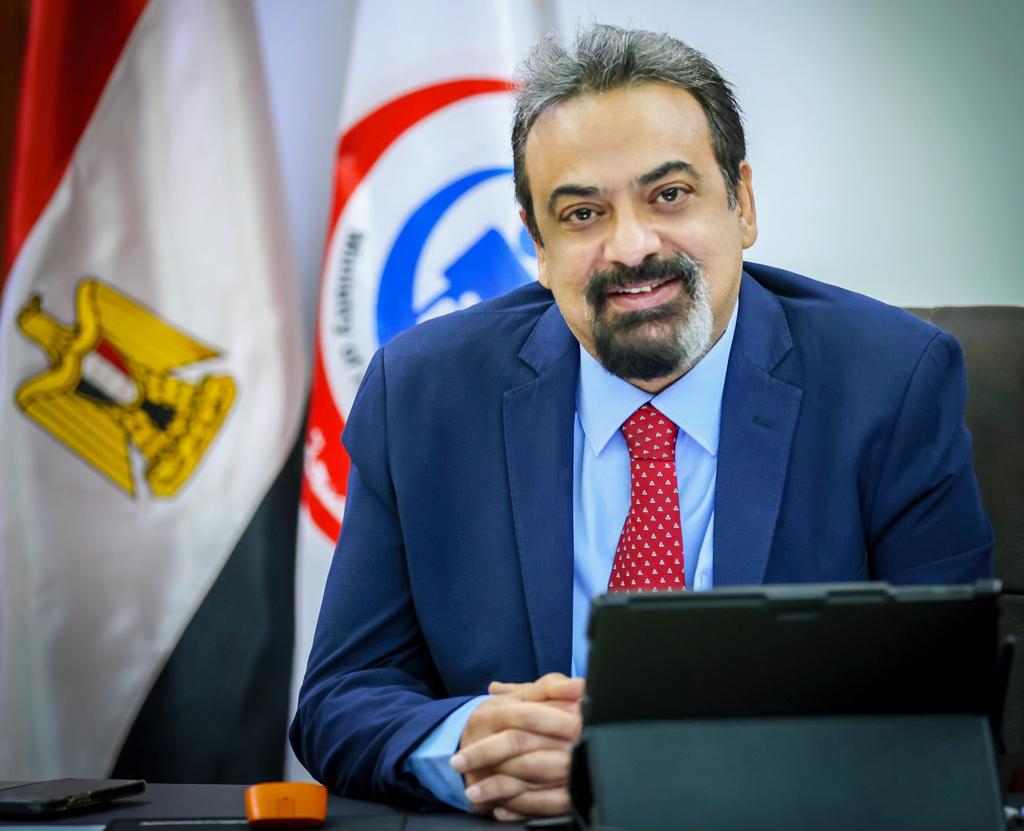
The medical examinations are comprehensive, going beyond a simple physical check-up. According to Hossam Abdel Ghaffar, spokesperson for the Ministry of Health, the process includes:
* Comprehensive Health Checkups: A thorough assessment of the candidate’s overall physical health.
* Laboratory Tests: A range of blood and urine analyses to detect underlying health conditions.
* Drug and Alcohol screenings: To ensure candidates are free from substance abuse that could impair their judgment or performance.
These examinations will be conducted by the Central Laboratory Directorate and regional provincial laboratories, ensuring a consistent standard of testing across the country.
Pro Tip: candidates should gather all existing medical records before their examination. This can streamline the process and provide valuable context for the evaluating physicians.
Moreover, special provisions are in place for candidates with disabilities. Assessments for these individuals will be conducted by the General Directorate of Specialized Medical Councils, adhering to Ministerial Decree No. 529 of 2025. This decree mandates detailed technical reports outlining the nature and extent of the disability and its potential impact on the candidate’s ability to fulfill their parliamentary duties. This demonstrates a commitment to inclusivity while maintaining a rigorous evaluation process.
Accessibility and Geographic Coverage: ensuring Fair Access
A key concern with any nationwide initiative is accessibility. The Ministry of health has addressed this by establishing an extensive network of accredited hospitals and medical centers.Services will be available in major cities like Cairo, Alexandria, and Giza, as well as in all other governorates, including remote regions like North and South Sinai, the Red Sea, and Matrouh. Dozens of facilities have already been approved, ensuring that candidates, irrespective of their location, have reasonable access to the required medical examinations. This widespread coverage is crucial for maintaining the fairness and transparency of the electoral process.
Here’s a fast comparison of key aspects of the medical examination process:
| Aspect | Details |
|---|---|
| Examinations Included | Health Checkups, Lab Tests, Drug/Alcohol Screening |
| Conducting Bodies | Central Laboratory Directorate, Regional Labs, Specialized Medical Councils (for candidates with disabilities) |
| Geographic coverage | Nationwide, including remote governorates |
| Legal Framework | ministerial Decree No. 529 of 2025 (for candidates with disabilities) |
Potential Controversies and Legal Considerations
While the Ministry of Health emphasizes transparency and fairness, the implementation of mandatory medical examinations isn’t without potential for controversy. Concerns have been raised regarding:
* Privacy: The extent of medical facts collected and its potential use.
* Discrimination: The possibility of biased assessments or unfair disqualification based on health conditions.
* Political Motivation: Allegations that the
Keep reading