
Egypt is seeing a significant restoration of its energy imports as the flow of Israeli natural gas resumes, bringing supply levels back toward those seen before the regional conflict. This recovery is centered on the reactivation of the Leviathan gas field, a critical infrastructure point for the energy security of both nations.
The resumption of these deliveries comes at a critical juncture for Cairo, which has struggled with energy stability and the economic pressure of maintaining power grids. Reports indicate that the resumption of Israeli gas flows to Egypt is rapidly scaling up, with some sources suggesting daily volumes are approaching one billion cubic feet.
This energy corridor is underpinned by massive long-term agreements, including a $35 billion natural gas supply deal signed by Israel’s Leviathan field to provide energy to Egypt.
The Strategic Reactivation of the Leviathan Field
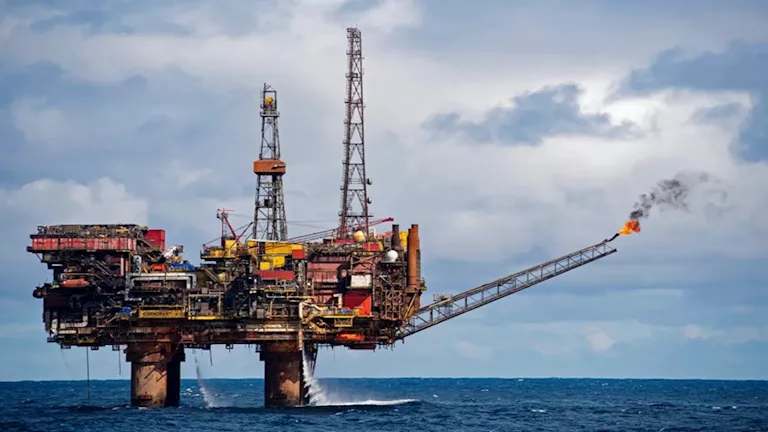
The Leviathan gas field, located in the Eastern Mediterranean, has once again become the primary engine for these exports. Following a period of disruption and operational adjustments tied to regional instability, the field has resumed full operations to meet the contractual obligations owed to Egypt.
For Egypt, the return of this gas is more than a commercial transaction; it is a necessity for the national grid. The Egyptian government has indicated that the return of these gas flows has been instrumental in avoiding a planned increase in electricity prices, providing a vital cushion for consumers and industries facing economic headwinds.
The volume of gas being pumped is a key metric for the recovery. According to reports from Masrawy, the daily flow is nearing the one billion cubic feet mark, a level that aligns with pre-war operational capacities and ensures that Egypt’s liquefaction plants can operate more efficiently.
Economic Implications and Energy Security
The interdependence between the two nations’ energy sectors is stark. Egypt utilizes the imported gas not only for domestic consumption but similarly for processing and potential re-export via its existing LNG (Liquefied Natural Gas) infrastructure. This makes Egypt a regional hub for Mediterranean gas, despite the volatility of the political climate.
The financial scale of these partnerships is immense. The $35 billion commitment from the Leviathan project highlights the long-term strategic bet that energy cooperation can persist even when diplomatic and military tensions are high. By securing these volumes, Egypt reduces its reliance on more expensive spot-market LNG imports, which often fluctuate based on global demand and European energy crises.
However, the recovery comes amid a broader economic struggle. While the gas flows provide relief to the energy sector, other parts of the Egyptian economy, particularly the non-oil private sector, have faced significant contraction due to the ongoing regional instability and the “drums of war” echoing across the border.
Key Takeaways of the Gas Resumption
- Supply Volume: Daily flows are reportedly approaching one billion cubic feet.
- Financial Scale: The partnership is supported by a $35 billion supply agreement.
- Domestic Impact: The restored flow has helped the Egyptian government avoid raising electricity tariffs.
- Infrastructure: The Leviathan field remains the primary source of the natural gas being pumped into Egypt.
What This Means for Regional Stability
The continued flow of energy between Israel and Egypt serves as a pragmatic layer of stability. While political rhetoric may fluctuate, the physical infrastructure of pipelines creates a mutual dependency that discourages total systemic collapse in energy trade.
The restoration of these levels to “pre-war” status suggests a return to a baseline of operational normalcy for the energy sector, even if the broader geopolitical situation remains precarious. The ability to maintain these flows despite the surrounding conflict underscores the priority both governments place on energy security and the fulfillment of multi-billion dollar contracts.
As Egypt continues to integrate these flows, the focus will remain on whether this stability can be maintained long-term or if further disruptions will force Cairo to seek alternative, potentially more costly, energy sources.
The next critical checkpoint for observers will be the official quarterly energy reports from the Egyptian Ministry of Electricity and Renewable Energy and the operational updates from the Leviathan consortium, which will confirm if the one billion cubic feet daily target is sustained through the coming months.
We invite our readers to share their thoughts on the intersection of energy and diplomacy in the comments below.