For many first-time television buyers, the sheer volume of technical jargon—from “local dimming” to “refresh rates”—can make the purchasing process feel overwhelming. However, the arrival of the Xiaomi TV S Pro Mini LED 55 2026 marks a shift in how consumers can access high-end display technology without needing a professional degree in optics. By combining QD-Mini LED hardware with an accessible smart interface, Xiaomi is positioning this model as a compelling entry point for those seeking a premium cinematic experience at home.
The 2026 series, which debuted in global markets alongside the Xiaomi 15T series, is designed to bridge the gap between budget LED screens and ultra-premium OLEDs. Available in 55-inch, 65-inch, and 75-inch configurations, the lineup emphasizes 4K resolution and advanced light control to deliver deeper blacks and more vibrant highlights according to Gadgets360.
As a tech editor who has spent nearly a decade analyzing consumer electronics, I find the “Mini LED” transition particularly interesting. Unlike traditional LEDs, which utilize larger backlights that can cause “blooming” or grayish blacks, Mini LED technology uses thousands of tiny diodes. This allows for much tighter control over which parts of the screen are bright and which are dark, effectively mimicking the per-pixel control of OLED even as maintaining the high brightness levels that make HDR content pop.
Precision Lighting: The Power of QD-Mini LED
The core appeal of the Xiaomi TV S Pro Mini LED 55 2026 lies in its 408 zones of QD-Mini LED backlighting. In practical terms, this means the screen is divided into 408 independent zones that can be dimmed or brightened individually via Xiaomi Global. This precision prevents light from leaking into dark areas of the image, ensuring that a star-filled night sky looks black rather than dark gray.

Brightness is another critical metric where this model excels. The display reaches a peak brightness of 1700 nits, a figure that allows it to remain visible and vivid even in brightly lit living rooms. To further combat environmental glare, Xiaomi has integrated a low-reflection display, reducing the distracting mirror-effect often found on glossy 4K panels.
Beyond raw brightness, the TV utilizes a sophisticated set of sensors to adapt to its surroundings. A built-in light sensor adjusts the overall brightness in real time based on the ambient lighting of the room. A color temperature sensor dynamically adapts the screen’s white balance to match the environment, ensuring that colors remain natural whether the room is lit by warm indoor lamps or cool daylight.
Gaming and Cinematic Performance
For gamers and movie enthusiasts, the Xiaomi TV S Pro Mini LED 55 2026 offers specifications that typically reside in much more expensive flagship models. One of the standout features is the 144Hz refresh rate at 4K resolution, which is achievable via HDMI enhanced mode according to Xiaomi’s internal lab data. This high refresh rate is essential for reducing motion blur in fast-paced action scenes and providing a fluid experience for next-generation gaming consoles.
The visual experience is further enhanced by Dolby Vision® support, which optimizes the image frame-by-frame for maximum depth and clarity. When paired with HDR ambient adaptive mapping, the TV can enhance image depth, making dark scenes reveal breathtaking details that would otherwise be lost in the shadows.
Audio is equally prioritized, moving beyond the thin, tinny speakers common in slim televisions. The unit features Dolby Atmos® and Harman AudioEFX, creating an immersive soundstage. Harman AudioEFX is delivered via an OTA (Over-the-Air) update, and its availability may vary depending on the region and model as specified by Xiaomi Global.
The Google TV Ecosystem and User Experience
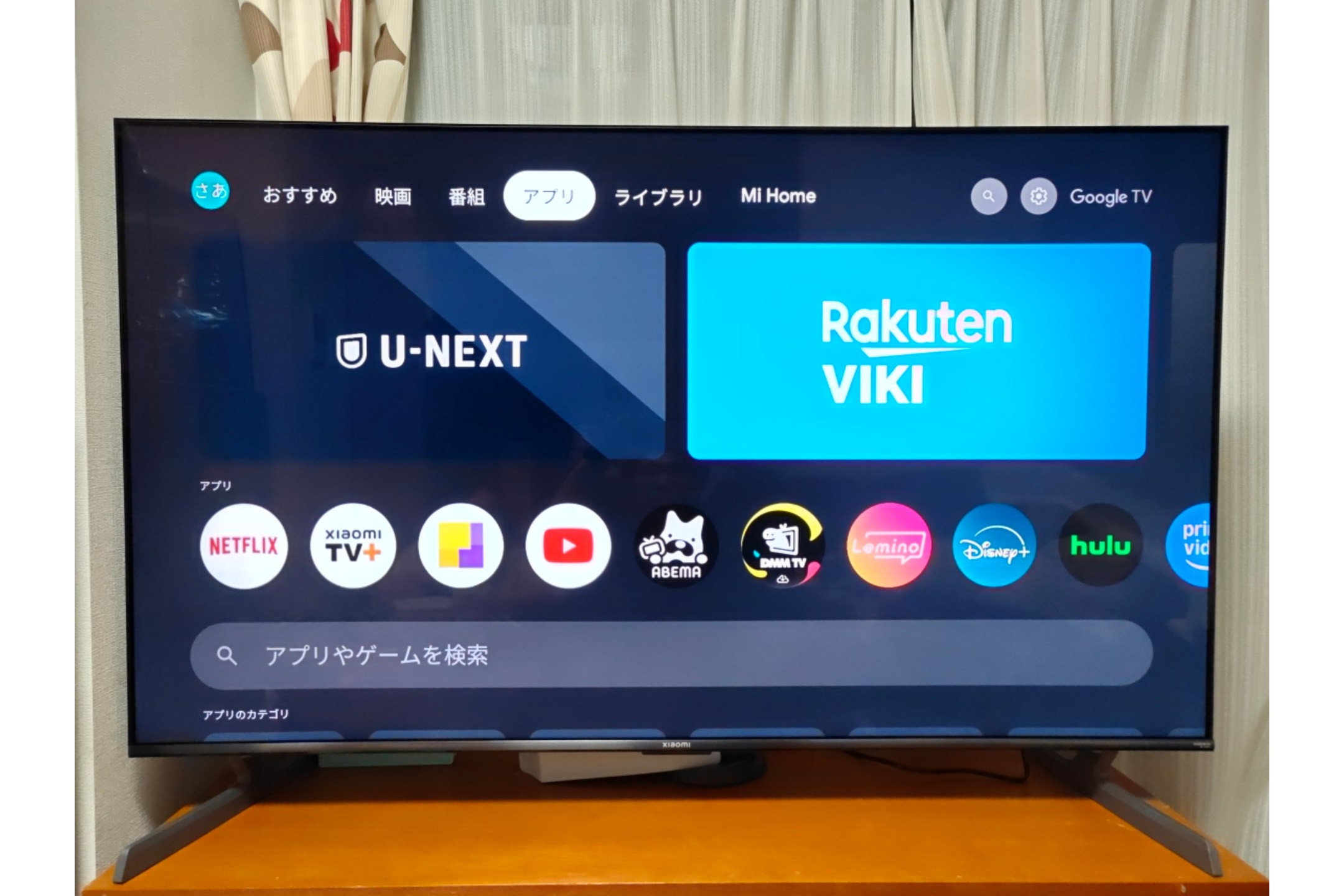
Hardware is only half the battle; the software determines how a user actually interacts with their device. The Xiaomi TV S Pro Mini LED 55 2026 runs on Google TV™, providing a centralized hub for streaming services, apps, and smart home integration. This ecosystem allows users to organize content from various platforms into a single interface, reducing the time spent hunting through different app menus to find a specific display.
The integration of Google TV means the device is inherently compatible with a wide array of voice assistants and smart home protocols, making it a focal point for a connected home. For the first-time buyer, this removes the steep learning curve often associated with proprietary manufacturer operating systems.
Technical Specifications Summary
| Feature | Specification |
|---|---|
| Display Technology | QD-Mini LED (408 Zones) |
| Peak Brightness | 1700 nits |
| Refresh Rate | 144Hz at 4K (HDMI Enhanced Mode) |
| HDR Standards | Dolby Vision® |
| Audio Tech | Dolby Atmos® & Harman AudioEFX |
| OS | Google TV™ |
Why This Matters for the Global Market
The launch of the 2026 series in global markets signifies Xiaomi’s intent to compete directly with established television giants by offering “spec-heavy” devices at a competitive price point. By including 144Hz refresh rates and high-zone Mini LED technology in a 55-inch form factor, they are targeting a demographic of “prosumers”—users who want high-end performance but may not have the budget or the space for a massive 75-inch cinema setup.
For those purchasing their first television, the value proposition is clear: the Xiaomi TV S Pro Mini LED 55 2026 provides a future-proof set of features. Whether the user is streaming the latest 4K series, playing high-frame-rate games, or integrating the TV into a smart home, the hardware is capable of handling the demand without requiring an immediate upgrade in a few years.
As we look forward, the next step for this product line will likely be the rollout of regional OTA updates to enable Harman AudioEFX across all supported markets. Users are encouraged to keep their system software updated to ensure they receive the latest audio enhancements and stability patches.
Do you suppose Mini LED is the right choice for a first-time TV buyer, or is OLED still the gold standard? Share your thoughts in the comments below.