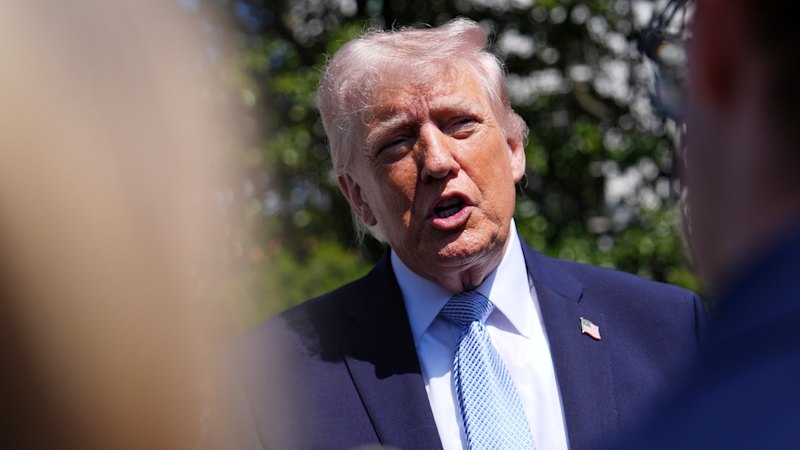
Global energy markets are reacting with extreme volatility as U.S. President Donald Trump hints at a potential end to the conflict with Iran, although simultaneously issuing aggressive threats to secure the flow of oil through one of the world’s most critical maritime chokepoints.
The tension centers on the Strait of Hormuz, a narrow waterway through which approximately one-fifth of the world’s energy shipments typically pass. With oil prices swinging wildly, the administration is balancing the desire to resolve the conflict with the need to prevent a global supply shortage that could trigger severe international inflation.
The current crisis, which has seen intensified hostilities since February 28, has left the global economy vulnerable. While the U.S. President has expressed a reluctance to pursue a mission to seize Iranian oil—suggesting that the American people would not understand the rationale for such an action—he has maintained a hardline stance on the reopening of the Strait.
Trump Threatens ‘Critical Infrastructure’ to Open Strait of Hormuz
In a social media post on Sunday, President Trump issued a stark ultimatum to Tehran, threatening to destroy critical infrastructure, specifically citing power plants and bridges, unless ships are allowed to cross the Strait of Hormuz by late Tuesday, U.S. Time. The post was described as “expletive-laden,” reflecting the high stakes of the current diplomatic and military standoff.
This escalation sent shockwaves through the energy sector. Brent crude prices rose back above $110 a barrel on Monday as traders braced for a potential widening of the war. Although, these gains were short-lived, as reports emerged regarding potential diplomatic breakthroughs reported by the BBC.
The disruption to shipping is a direct result of Tehran’s threats to attack vessels attempting to use the strait. These threats come in retaliation for U.S. And Israeli airstrikes that have occurred since February 28. The resulting instability has pushed energy prices higher globally, raising urgent concerns about inflation and the stability of global supply chains.
Diplomatic Maneuvers and the Search for a Ceasefire
Despite the aggressive rhetoric, there are signs that the U.S. Is exploring an exit strategy. Reports from Axios indicate that the United States, Iran, and a group of regional mediators are currently discussing the terms of a potential 45-day ceasefire. If successful, this temporary truce could serve as a bridge toward a permanent end to the conflict.
However, the White House has remained cautious about the viability of these talks. A White House source told the BBC that the ceasefire is “one of many ideas” and that President Trump has not yet signed off on the proposal. The source further clarified that “Operation Epic Fury continues,” signaling that military options remain on the table while diplomacy is pursued.
The dichotomy in the administration’s approach is evident: while the president has lashed out at allies, suggesting they “go get your own oil,” he is simultaneously navigating the domestic political reality that the American public may be weary of prolonged foreign interventions.
The Economic Impact of the Hormuz Blockade
The Strait of Hormuz is an indispensable artery for the global economy. Because a fifth of the world’s energy shipments pass through this narrow corridor, any prolonged closure creates an immediate supply shortage. This shortage does not just affect the U.S. But impacts countries worldwide, leading to price spikes at the pump and increased costs for industrial production.

Market analysts, including Sushant Gupta from consultancy Wood Mackenzie, suggest that oil prices will remain volatile, swinging with every headline regarding the escalation or easing of the war. The primary focus for global markets remains whether energy shipments from the Gulf can resume, which would alleviate the current supply squeeze.
| Event/Date | Market Impact | Status |
|---|---|---|
| Feb 28 | U.S./Israeli airstrikes begin | Ongoing Conflict |
| April 3 | Debate over U.S. Oil independence | Strategic Analysis |
| April 5 (Sunday) | Trump threat to Iranian infrastructure | Price Spike (>$110) |
| April 6 (Monday) | Reports of 45-day ceasefire talks | Price Dip (~$107) |
Domestic Pressures and the ‘Coming Home’ Sentiment
The president’s recent comments suggest a growing awareness of public opinion within the United States. By hinting that “the American people aim for us to come home,” Trump is acknowledging a reluctance to push the limits of domestic support for a mission that might be perceived as an attempt to seize Iranian oil resources.
This sentiment contrasts with his previous assertions that the U.S. Could simply “walk away” from the Strait of Hormuz. However, as noted in analyses by Politico, the global market continues to disagree with the notion of complete American oil independence in the face of a total blockade of the Gulf.
the president has indicated that the war with Iran will likely last another two to three weeks. This timeline suggests that while the administration is looking for a way out, it is not yet ready to concede without achieving its primary objective: the guaranteed free flow of shipping through the Strait of Hormuz.
Key Takeaways for Global Observers
- Market Volatility: Oil prices are fluctuating between $107 and $110+ per barrel based on ceasefire rumors and military threats.
- Strategic Chokepoint: The Strait of Hormuz remains the central point of contention, as it handles 20% of global energy shipments.
- Diplomatic Efforts: A potential 45-day ceasefire is being discussed by regional mediators, though not yet approved by the White House.
- Military Posture: “Operation Epic Fury” remains active despite the ongoing diplomatic discussions.
- Public Opinion: The U.S. President is balancing aggressive foreign policy with a perceived domestic desire to end the conflict.
The situation remains fluid. The next critical checkpoint will be the press conference scheduled for 13:00 local time (18:00 BST), where President Trump is expected to speak further on the status of the conflict and the potential for a ceasefire.
World Today Journal encourages readers to share this story and leave their comments below regarding the impact of energy volatility on their region.