Egypt & Saudi Arabia Forge Stronger Ties in Medical Manufacturing: Hemodialysis Filter Production Collaboration
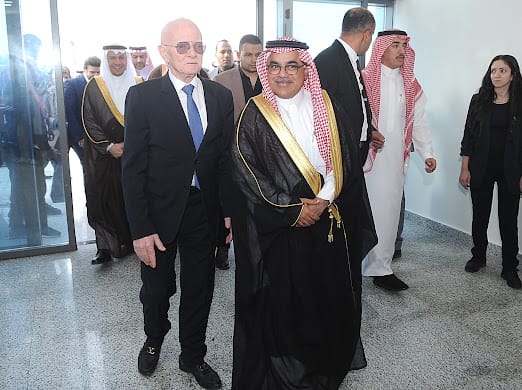
The burgeoning partnership between Egypt and Saudi Arabia is taking a significant leap forward, specifically within the critical medical technology sector. A recent visit by Khalid bin Saleh Al-Mudaifer, Saudi Deputy Minister of Industry and Mineral Resources for Mining Affairs, to Wadi El-Nile Stio’s hemodialysis filter and dialyzer manufacturing plant in Cairo signals a commitment to localizing medical production and bolstering regional healthcare security.This collaboration isn’t just about manufacturing; it’s about knowledge transfer, economic growth, and achieving self-sufficiency in essential medical supplies – a key component of both Egypt’s and Saudi Arabia’s long-term visions.
The Significance of Hemodialysis Filter Manufacturing
did You Know? Chronic Kidney Disease (CKD) affects approximately 14% of the global adult population, driving significant demand for hemodialysis treatments and, consequently, filters. (Source: National Kidney Foundation, 2023)
Hemodialysis filters, vital for patients with kidney failure, represent a crucial component of modern healthcare. The ability to manufacture these filters locally reduces reliance on imports, stabilizes supply chains, and perhaps lowers healthcare costs. This is particularly critically important in the Middle East and North Africa (MENA) region, where access to advanced medical technologies can be limited. The focus on hemodialysis equipment production highlights a strategic move towards strengthening regional healthcare infrastructure. This initiative aligns with broader trends in pharmaceutical manufacturing and medical device localization across the Arab world.
Wadi El-nile Stio: A Showcase of Egyptian Manufacturing Prowess
The visit to Wadi El-Nile stio wasn’t merely a courtesy call. It was a deep dive into a state-of-the-art facility demonstrating Egypt’s capabilities in advanced medical manufacturing. Al-Mudaifer’s delegation was thoroughly briefed on the plant’s production processes,which adhere to stringent global quality standards and meet the rigorous requirements of the Egyptian Drug Authority (EDA).
Pro Tip: When evaluating medical device manufacturers, always prioritize certifications like ISO 13485, which demonstrates a commitment to quality management systems specifically for medical devices.
Amr Abdel-Razek, Chairperson of Wadi El-Nile Stio Life Science, rightly described the visit as a “new milestone in Arab cooperation.” The company’s success serves as a model for other Egyptian manufacturers looking to expand regionally and contribute to the broader Arab economic landscape. The plant’s adherence to EDA regulations is a testament to Egypt’s commitment to producing high-quality, safe medical products.
Saudi Vision 2030 & Egypt’s Pharmaceutical Strategy: A Synergistic Partnership
The core of this collaboration lies in supporting Saudi Vision 2030, a strategic framework aimed at diversifying the Saudi economy and reducing its dependence on oil. medical device manufacturing is a key pillar of this vision, and leveraging Egyptian expertise in hemodialysis filter production offers a fast track to achieving localization goals.
Egypt, for its part, is actively pursuing a strategy to expand its local pharmaceutical production and achieve self-sufficiency in essential medical supplies. This partnership is mutually beneficial, allowing both countries to strengthen their healthcare systems and foster economic growth. The initiative also addresses concerns about regional medical security, ensuring a stable supply of critical medical products in times of crisis.
Here’s a quick comparison of the key benefits for each nation:
| Benefit | Egypt | Saudi Arabia |
|---|---|---|
| Economic Growth | Increased exports & investment in manufacturing. | Job creation & diversification of the economy. |
| Healthcare Security | Strengthened local production capacity. | Reduced reliance on imports & stable supply chain. |
| Technological Advancement | Knowledge sharing & potential for further innovation. | Access to proven manufacturing expertise. |
Future Collaboration: Technical Coordination & Joint Planning
The discussions between egyptian and Saudi officials culminated in an agreement to advance technical coordination and develop a joint plan for localizing hemodialysis filter production. This plan will focus on:
* Knowledge Transfer: Sharing expertise and best practices in manufacturing processes, quality control, and regulatory compliance.
*
Keep reading