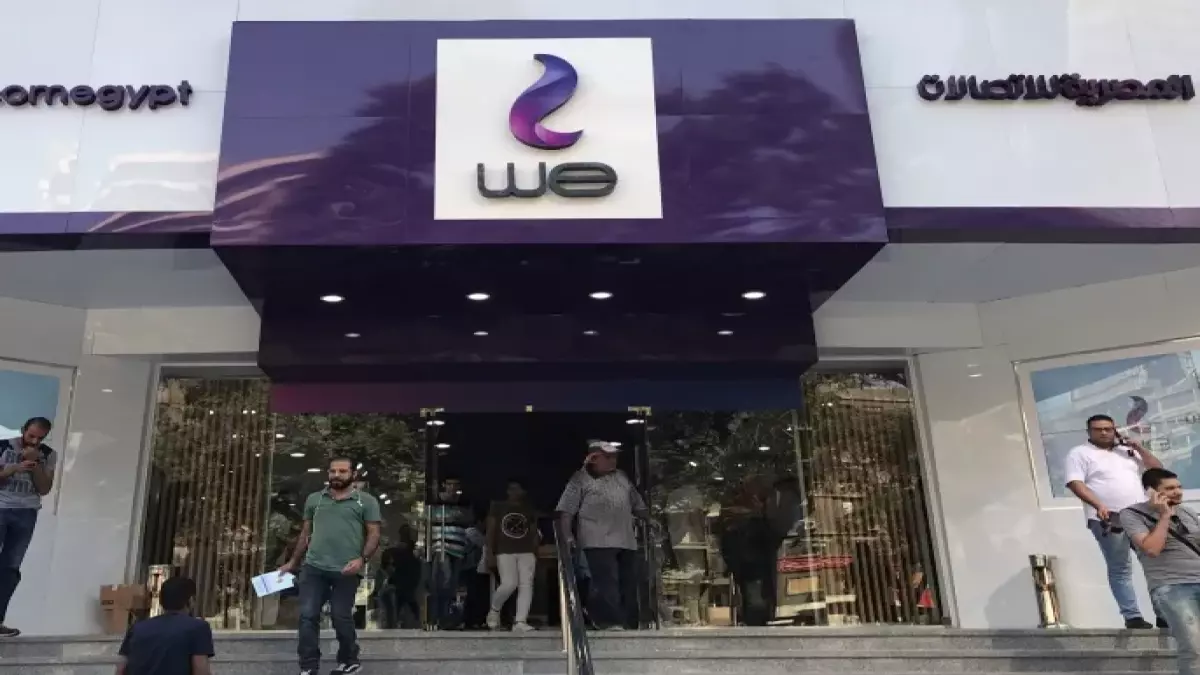
Cairo, Egypt – In a significant shift for telecommunications consumers across Egypt, the Egyptian Company for Telecommunications, known as WE, is transitioning all fixed-line customers to a prepaid payment system. The move, announced this week, aims to modernize billing practices, reduce debt-related risks, and offer subscribers greater control over their expenses. The change, which will be mandatory for all customers nationwide, is already generating considerable discussion online and raising questions about the implications for Egyptian households.
The decision to move to a prepaid system marks a departure from the traditional quarterly billing cycle previously offered by WE, Egypt’s largest telecommunications provider. According to a statement released by the company, the transition is intended to improve service quality and provide customers with more flexibility in managing their telecommunications costs. This change comes as Egypt continues to navigate economic reforms and a push towards digital financial inclusion.
Understanding the New Prepaid System
The core of the change lies in shifting responsibility for payment from a post-payment, invoice-based system to a prepaid model. Instead of receiving a bill every three months, customers will now need to proactively add credit to their accounts to maintain service. WE has emphasized that this system is designed to empower users to regulate their spending and avoid unexpected charges. The company has assured customers that multiple convenient options will be available for recharging accounts, including prepaid cards, mobile banking applications, and online payment platforms.
The implementation of this mandatory system is a significant step, and WE has stated it will communicate the changes to subscribers through various channels, including SMS messages, email notifications, and clear instructions on their website. A dedicated support team will also be available to assist customers with the transition, addressing any queries or issues that may arise. The company has branches and service centers throughout Egypt to provide in-person assistance.
Benefits Highlighted by WE
WE has outlined several key advantages of the new prepaid system. Chief among these is enhanced financial control. By allowing customers to pre-fund their accounts, the system encourages responsible spending and helps avoid bill shock. The company also points to the elimination of late payment fees as a benefit, as customers will only be able to use the credit they have purchased. WE emphasizes the ease and convenience of recharging options, offering a variety of methods to suit different preferences.
Beyond individual benefits, WE suggests the move will contribute to the overall financial health of the company by reducing the risk of terrible debt. This, in turn, could allow for greater investment in network infrastructure and service improvements. The company also highlights the availability of flexible subscription packages that can be tailored to individual consumption patterns, providing customers with a range of options to meet their specific needs.
Consumer Response and Concerns
The announcement has sparked a mixed reaction from Egyptian consumers. While some welcome the increased control over their spending, others have expressed concerns about the potential for service disruption if they forget to recharge their accounts. Social media platforms have been abuzz with discussions about the change, with many users questioning the practicality of the new system, particularly for elderly or less tech-savvy individuals. There are also concerns about the potential for added complexity and the need to constantly monitor account balances.
One common concern revolves around the potential for accidental service interruption. Unlike a traditional billing system where service continues until a bill is overdue, a prepaid system will immediately suspend service once the account balance reaches zero. This could be particularly problematic for individuals who rely on their landlines for essential communications, such as emergency services or medical alerts. WE has not yet detailed specific measures to address this concern, but has stated that its support team will be available to assist customers with any issues.
Regulatory Oversight and Customer Protection
Egypt’s telecommunications sector is regulated by the National Telecommunications Regulatory Authority (NTRA). The NTRA plays a crucial role in ensuring fair competition, protecting consumer rights, and maintaining the quality of telecommunications services. According to the NTRA website, consumers who are unable to resolve issues with their service providers can contact the NTRA’s customer service center at 155, which operates from 8:00 AM to 10:00 PM. More information about consumer rights and the NTRA’s services can be found on their official website.
The shift to a prepaid system also raises questions about data privacy and security. Customers will need to provide payment information to recharge their accounts, and it is essential that WE implements robust security measures to protect this sensitive data. The NTRA is responsible for overseeing data protection practices within the telecommunications sector and ensuring that companies comply with relevant regulations.
The Broader Context: Digital Transformation in Egypt
The move to a prepaid system for fixed-line services is part of a broader trend towards digital transformation in Egypt. The government has been actively promoting the adoption of digital technologies across various sectors, including telecommunications, finance, and healthcare. This push is driven by a desire to improve efficiency, reduce costs, and enhance access to services for citizens. The Egyptian Company for Telecommunications, as a state-owned enterprise, is playing a key role in this transformation.
In February 2026, WE officially became the top trending topic in Egypt after announcing the changes, as reported by Alnafezah. This demonstrates the significant public interest in the company’s decisions and their impact on consumers. The company’s decision to move to a prepaid system is seen by some as a necessary step to modernize its operations and remain competitive in a rapidly evolving market. However, it is crucial that WE addresses the concerns of its customers and ensures a smooth transition to the new system.
Applying for a New Landline for Home Internet
For those seeking to establish new landline connections for home internet access, the process involves submitting an application through the WE website. According to information available on the WE website, the provision of home internet service is contingent upon the completion of procedures for obtaining a new landline. El Watan News provides further details on the application process and required documentation. This highlights the interconnectedness of landline and internet services in Egypt.
The transition to a prepaid system for fixed-line services is a significant development for Egyptian consumers. While the move promises greater financial control and convenience, it also raises concerns about potential service disruptions and data security. The success of this initiative will depend on WE’s ability to effectively communicate the changes to its customers, provide adequate support, and address any issues that may arise. The NTRA will also play a crucial role in ensuring that consumer rights are protected and that the transition is fair and transparent.
The next key date to watch is the full implementation of the prepaid system across all WE landline accounts. WE has not yet announced a specific date beyond stating that the change is now in effect, but further details are expected in the coming weeks. Consumers are encouraged to stay informed about the changes and to contact WE or the NTRA if they have any questions or concerns. We will continue to monitor this developing story and provide updates as they become available.
Do you have questions or concerns about the new WE prepaid system? Share your thoughts in the comments below, and be sure to share this article with your friends and family in Egypt.