Egypt Considers Military Courts for Price Gougers Amid Regional Economic Concerns
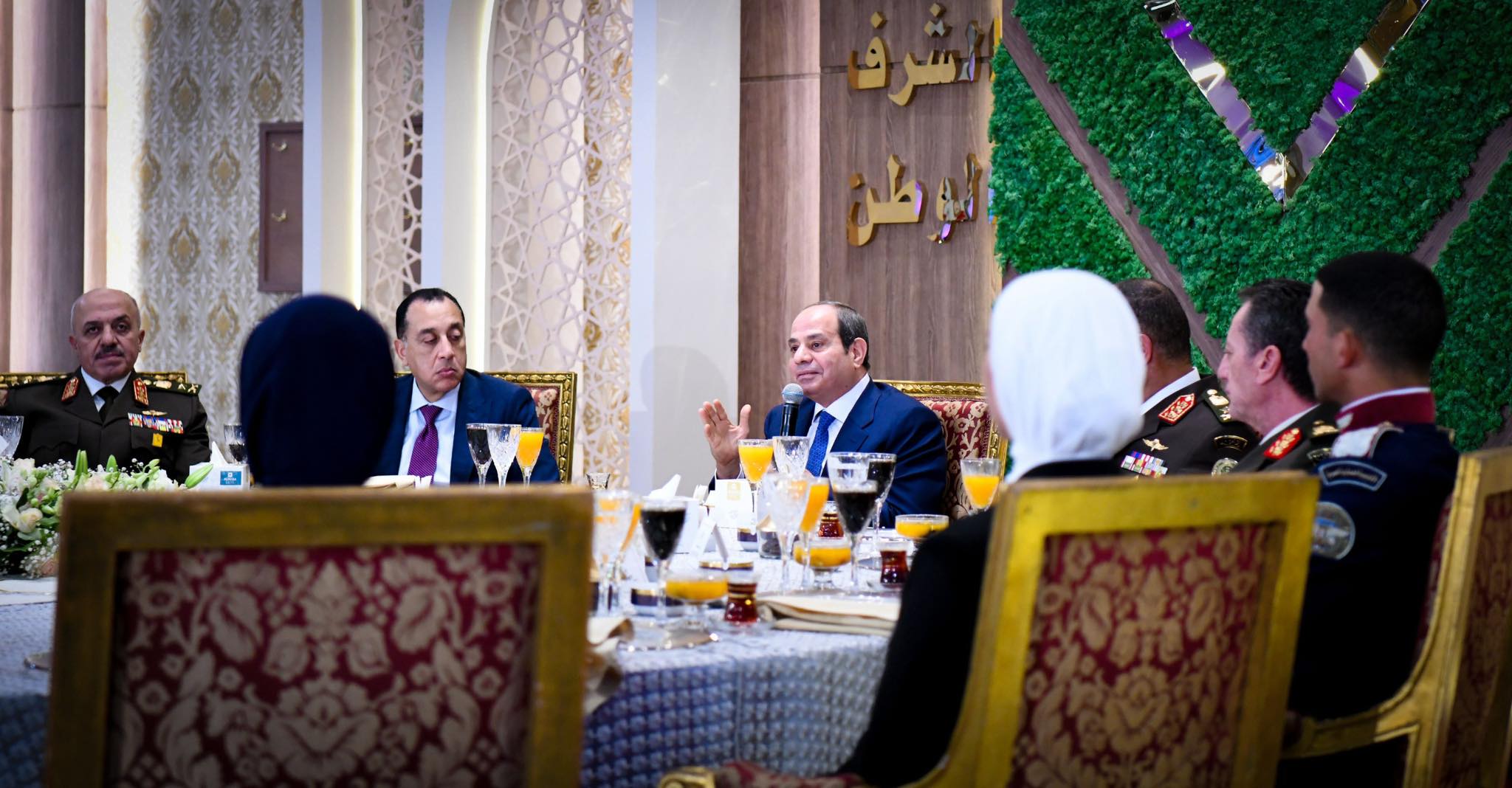
Cairo – In a move signaling heightened concern over economic stability, Egyptian President Abdel Fattah el-Sisi has instructed officials to explore the possibility of referring individuals accused of manipulating commodity prices to military courts. The announcement, made during an Iftar event at the Egyptian Military Academy on Friday, reflects a growing anxiety within the Egyptian government regarding the potential for economic disruption stemming from ongoing regional conflicts and global market volatility. This comes as Egypt grapples with inflationary pressures and seeks to protect its citizens from exploitative pricing practices. The move underscores the severity with which the government views the situation, describing the current economic climate as a “state of near-emergency.”
The directive to consider military courts for economic crimes is an unusual step, highlighting the extraordinary circumstances Egypt faces. While the specifics of how such a system would operate remain unclear, the intention is to send a strong deterrent message to those who might seek to profit from the current instability. President Sisi emphasized the need for responsible citizenship and informed understanding of the situation, urging Egyptians to rely on facts rather than speculation. The president’s remarks come amid escalating tensions in the Middle East, particularly concerning the conflict between Israel and Iran, which has raised fears of wider regional escalation and its potential economic repercussions.
Regional Conflicts and Economic Impact
Egypt has been actively involved in diplomatic efforts to de-escalate the regional conflict, recognizing the potential for widespread devastation. President Sisi stated that Egypt’s experience demonstrates that wars bring only “ruin, destruction and damage to the interests and capabilities of peoples.” Recent reports indicate mounting fears of a broader regional war following exchanges of strikes between Iran, Israel, and the United States. Egypt is maintaining “sincere and honest” mediation efforts to halt the fighting, warning that its continuation would exact a “heavy price,” according to the president. The potential disruption to key oil transit routes, such as the Strait of Hormuz – through which approximately one-fifth of the world’s oil passes – is a significant concern, as any interruption could drive up energy prices globally and exacerbate inflationary pressures.
The Egyptian government is particularly concerned about the potential for price manipulation of essential goods. Sisi warned against exploiting the regional situation to inflate prices, emphasizing the need to protect vulnerable populations. This concern is not isolated to Egypt; many countries in the region are bracing for economic fallout from the escalating conflict. The World Bank has warned of potential negative impacts on economic growth in the Middle East and North Africa due to increased uncertainty and disruptions to trade and investment. Egypt, already facing economic challenges, is particularly vulnerable to these external shocks.
Strengthening Domestic Institutions and Human Capital
Beyond addressing the immediate economic concerns, President Sisi also highlighted the importance of strengthening domestic institutions and investing in human capital. He emphasized that the primary objective of the Egyptian Military Academy’s programs is the “building of the human,” viewing the academy as a parallel educational experiment to traditional schooling. Currently, the academy hosts approximately 8,000 students, according to the president. The state is actively engaging specialists in sociology and psychology to develop a “roadmap” for effective human development, aiming to prepare future leaders with the skills and values necessary to navigate complex challenges.
Sisi stressed that the selection process for the academy is based strictly on competence and merit, with no room for “favouritism or discrimination.” This commitment to meritocracy is intended to foster a strong and cohesive fabric between various state institutions. Mohamed El-Shennawy, the spokesperson for the Presidency, added that the academy also plays a role in qualifying teachers for deployment in schools, ensuring that educators are equipped with the necessary skills and values to shape the next generation. The goal, Sisi stated, is to establish a “modern state built quietly,” emphasizing a long-term vision for sustainable development and stability.
The Role of the Egyptian Military Academy
The Egyptian Military Academy, a cornerstone of Egypt’s national security apparatus, has evolved beyond its traditional role of military training. It now serves as a multifaceted institution focused on leadership development, academic excellence, and societal contribution. Abdel Fattah el-Sisi himself is a product of the Egyptian Military Academy, having graduated from the institution in 1977. He served as Minister of Defence and Commander-in-Chief of the Egyptian Armed Forces before becoming President in 2014. The academy’s expanded role reflects a broader strategy to integrate the military into national development efforts and leverage its resources and expertise for societal benefit.
The academy’s curriculum now incorporates elements of sociology and psychology, reflecting a recognition that effective leadership requires a deep understanding of human behavior and social dynamics. This holistic approach to education aims to produce graduates who are not only skilled military officers but also capable of contributing to various sectors of society. The emphasis on meritocracy in the selection process is intended to ensure that the academy attracts the most talented and motivated individuals from across the country, fostering a culture of excellence and innovation.
Potential Legal Implications and Public Reaction
The prospect of referring price gougers to military courts raises significant legal questions. Egypt’s legal system typically handles economic crimes through civilian courts. Invoking military jurisdiction would require a legal basis and could be subject to challenges regarding due process and fairness. Legal experts are currently analyzing the potential implications of such a move, considering the constitutional framework and international legal standards. The Egyptian Constitution outlines the powers of military courts, generally limiting their jurisdiction to offenses committed by military personnel. Expanding this jurisdiction to civilians would require careful consideration and potentially legislative action.
Public reaction to the announcement has been mixed. Some citizens have expressed support for the government’s efforts to combat price gouging and protect consumers, viewing the potential use of military courts as a strong deterrent. Others have raised concerns about the erosion of due process and the potential for abuse of power. Civil society organizations have called for transparency and accountability in any legal proceedings involving civilians, emphasizing the importance of upholding fundamental rights and freedoms. The government has yet to provide detailed information on how the system would operate, leaving many questions unanswered.
The attendees at the Iftar event included Prime Minister Mostafa Madbouly, Minister of Defence and Military Production General Ashraf Salem Zaher, and Chief of Staff of the Armed Forces Lieutenant General Ahmed Khalifa, demonstrating the high-level support for the proposed measures. President Sisi concluded the visit by performing the Isha and Taraweeh prayers at the academy’s mosque, underscoring the importance of religious values in Egyptian society.
Key Takeaways
- President Sisi is considering referring price gougers to military courts in response to regional instability and economic concerns.
- The move aims to deter exploitation of the current situation and protect consumers from inflated prices.
- Egypt is actively engaged in diplomatic efforts to de-escalate regional conflicts and mitigate their economic impact.
- The Egyptian Military Academy is expanding its role to focus on leadership development and human capital building.
- The potential legal implications of invoking military jurisdiction for economic crimes are under scrutiny.
The Egyptian government is expected to provide further details on its plans in the coming days. The situation remains fluid, and the government’s response will likely evolve as the regional and economic landscape changes. Continued monitoring of developments is crucial to understanding the full implications of this decision and its impact on Egypt’s economic stability and legal framework. Readers are encouraged to share their thoughts and perspectives on this important issue in the comments section below.
Worth a look