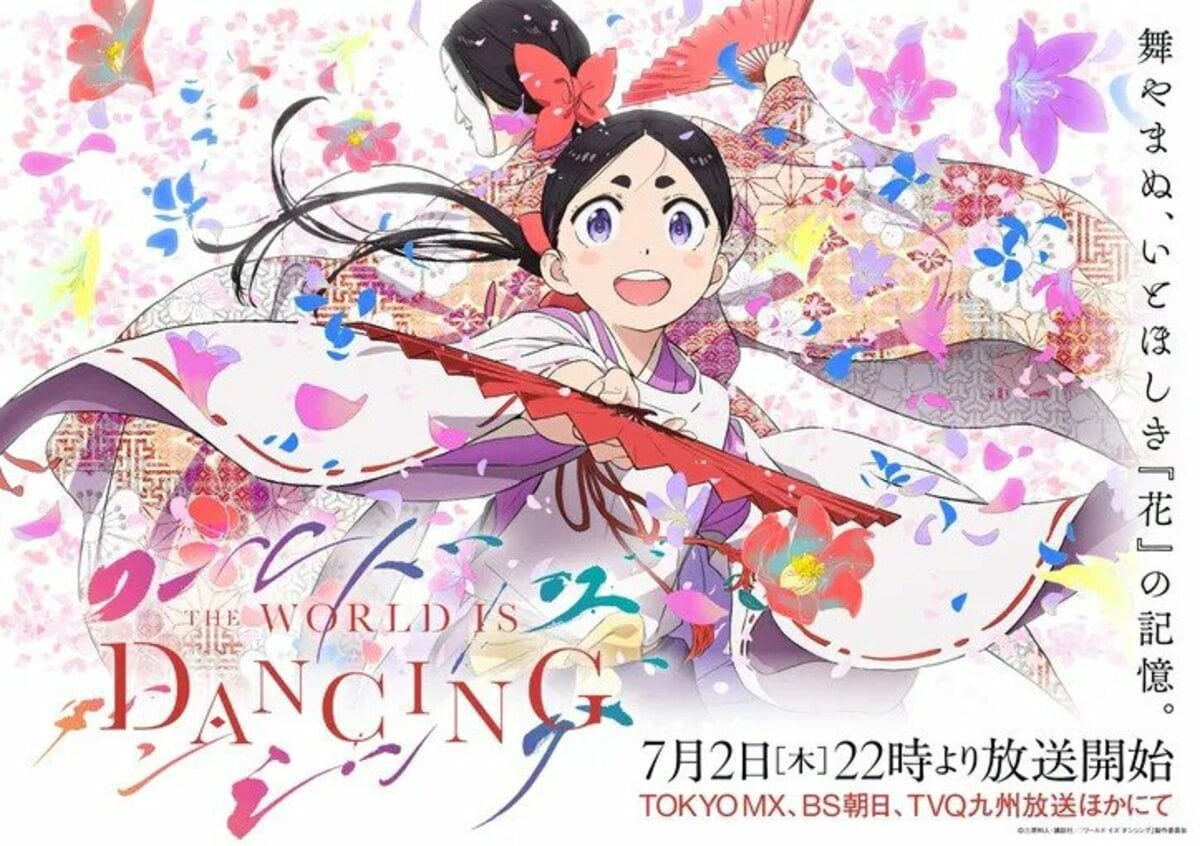
The premiere of the anime series The World Is Dancing on the ABEMA streaming platform has garnered significant viewer praise for its integration of traditional Noh theater into modern animation. Early reactions to the first episode highlight the series’ high production values, specifically its visual fidelity, atmospheric sound design, and the technical execution of traditional Japanese performing arts.
Viewers have described the animation as visually powerful, noting that the staging of the Noh sequences maintains the austerity and precision of the actual art form. According to reports from ABEMA TIMES, the initial reception has focused on the synergy between the voice acting and the musical score, which together aim to recreate the spiritual and theatrical tension inherent in Noh performances.
The series attempts a rare intersection between the avant-garde nature of anime and the centuries-old traditions of the Muromachi period. By centering its narrative around the disciplined world of Noh, The World Is Dancing positions itself as both a character study and a cultural showcase for a global audience.
How does The World Is Dancing incorporate Noh theater?
The World Is Dancing utilizes the structural and aesthetic elements of Noh—a major form of classical Japanese musical drama—to drive its visual storytelling. Noh is characterized by its use of masks, highly stylized movements, and a slow, rhythmic pace that emphasizes the spiritual or supernatural elements of a story. The anime translates these slow-motion, deliberate physical movements into a digital medium, avoiding the typical high-kinetic energy of contemporary action anime in favor of a more meditative pace.
The production emphasizes the “Ma,” or the intentional silence and space between actions, which is a cornerstone of Noh performance. This approach is evident in the first episode’s pacing, where the animation lingers on the stillness of the performers and the intricate details of the traditional costumes and masks. This focus allows the series to convey emotion through subtle shifts in lighting and angle rather than overt facial expressions, mirroring how Noh actors use the tilt of a mask to change the perceived emotion of a character.
By focusing on the rigorous training and the philosophical weight of the art form, the series provides a window into a world that remains relatively niche even within Japan. The narrative explores the tension between the strict requirements of tradition and the personal aspirations of the characters involved in the dance.
What are the viewer reactions to the premiere?
Initial feedback from the audience has been overwhelmingly positive, specifically regarding the technical execution of the first episode. On social media and viewer forums, the animation has been called “extremely visually powerful,” with many users noting that the quality of the art exceeds the standard expectations for original streaming projects. The attention to detail in the Noh staging has been cited as a primary reason for the episode’s impact.

The voice acting has also emerged as a focal point of praise. Because Noh requires a specific, guttural style of chanting and speaking, the voice actors in The World Is Dancing have been recognized for their ability to balance authentic theatrical delivery with the emotional accessibility required for an anime series. This balance prevents the performance from feeling like a museum piece, instead making the traditional art feel alive and urgent.
The musical score has been credited with establishing the episode’s mood. By blending traditional instruments associated with Noh—such as the flute (nōkan) and various drums—with modern soundscapes, the production creates an auditory bridge between the historical setting of the art and the contemporary context of the animation.
Why does the representation of Noh in anime matter?
The inclusion of Noh theater in a mainstream medium like anime serves as a critical point of cultural preservation and visibility. Noh is one of the oldest surviving theatrical forms in the world, designated as a UNESCO Intangible Cultural Heritage. However, its accessibility to the general public, particularly younger generations and international viewers, is limited due to its complexity and the specialized knowledge required to appreciate it.
By integrating these elements into The World Is Dancing, the creators are utilizing the global reach of the anime industry to introduce the aesthetics and philosophy of Noh to millions of people. This follows a broader trend in Japanese media where traditional arts—such as calligraphy, tea ceremonies, or kendo—are used to ground fantastical stories in a tangible sense of national identity.
Furthermore, the technical challenge of animating Noh provides a benchmark for the industry. Capturing the “stillness in motion” that defines a Noh performance requires a sophisticated understanding of timing and weight in animation. The success of the first episode suggests a shift toward more experimental, art-house influences within the commercial anime landscape.
What happens next for The World Is Dancing?
As the series progresses, the narrative is expected to delve deeper into the conflict between the preservation of tradition and the evolution of art. The first episode established the visual and auditory language of the show; subsequent episodes will likely explore the personal stakes of the protagonists as they navigate the rigid hierarchies of the Noh world.
Industry observers will be watching to see if the series can maintain the high production quality established in the premiere. High-fidelity animation, particularly that which relies on subtle movement and atmospheric lighting, is resource-intensive. The ability of the studio to sustain this level of detail across a full season will determine if the show becomes a critical darling or a short-lived experiment.
The series continues to stream on ABEMA, with new episodes scheduled for release. Viewers interested in the intersection of traditional Japanese culture and modern animation can follow official updates via the ABEMA official platform.
Readers are encouraged to share their thoughts on the series’ artistic direction in the comments section below.