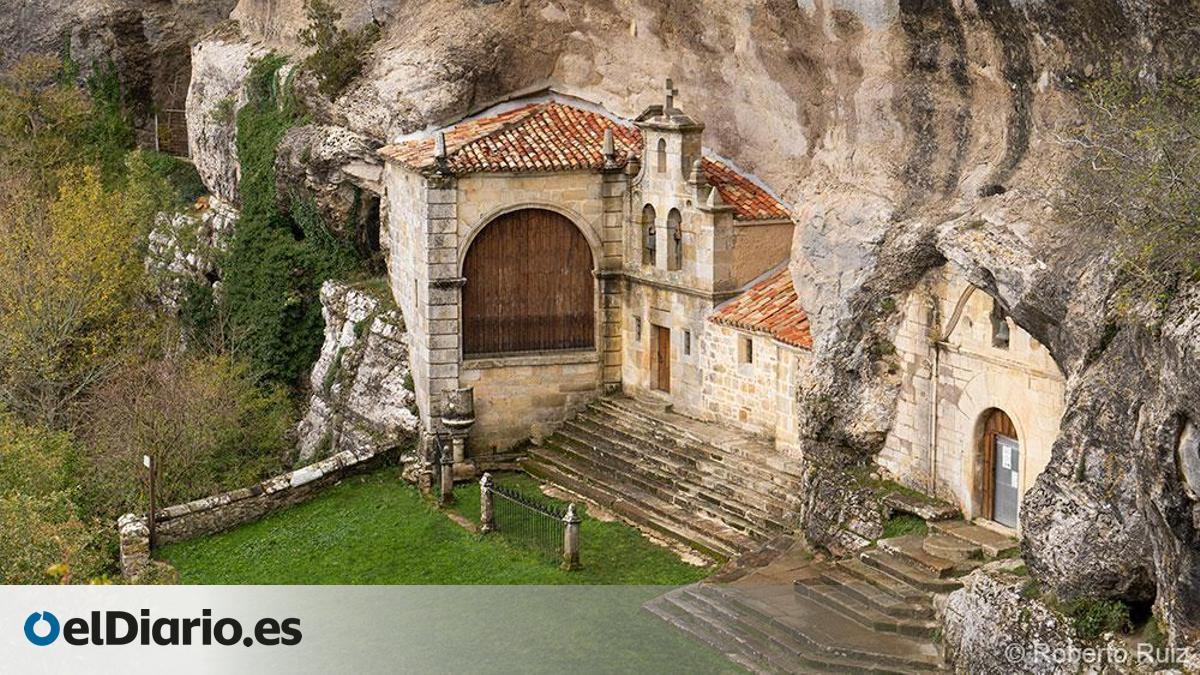
Ojo Guareña, a vast karst complex located in the Merindad de Sotoscueva within the province of Burgos, Spain, stands as one of the most significant subterranean systems in Europe. Designated as a Monumento Natural by the Junta de Castilla y León, the site encompasses more than 110 kilometers of mapped galleries, housing a unique intersection of geological, archaeological, and religious heritage. The system serves as a primary destination for both scientific research and guided tourism, offering insight into the region’s complex hydrological evolution over millions of years.
The Ojo Guareña complex is defined by its extensive network of caves, which have been carved into limestone rock by the persistent action of rivers including the Guareña, Trema, and the Villamartín stream. According to official reports from the Castilla y León tourism board, the site’s total explored length exceeds 110 kilometers, making it the largest cave system in Spain. This geological evolution continues today, as water remains the primary agent in shaping the interior karst landscape.
Archaeological and Historical Significance
Beyond its geological scale, Ojo Guareña serves as a major repository of human history, with evidence of occupation dating from the Paleolithic era to the modern day. Researchers have identified numerous archaeological sites within the cave system, including rock art and human remains that provide a timeline of early human activity in the northern Iberian Peninsula. The presence of these artifacts necessitates strict environmental protections, as the cave’s microclimate and physical integrity remain sensitive to human intervention.
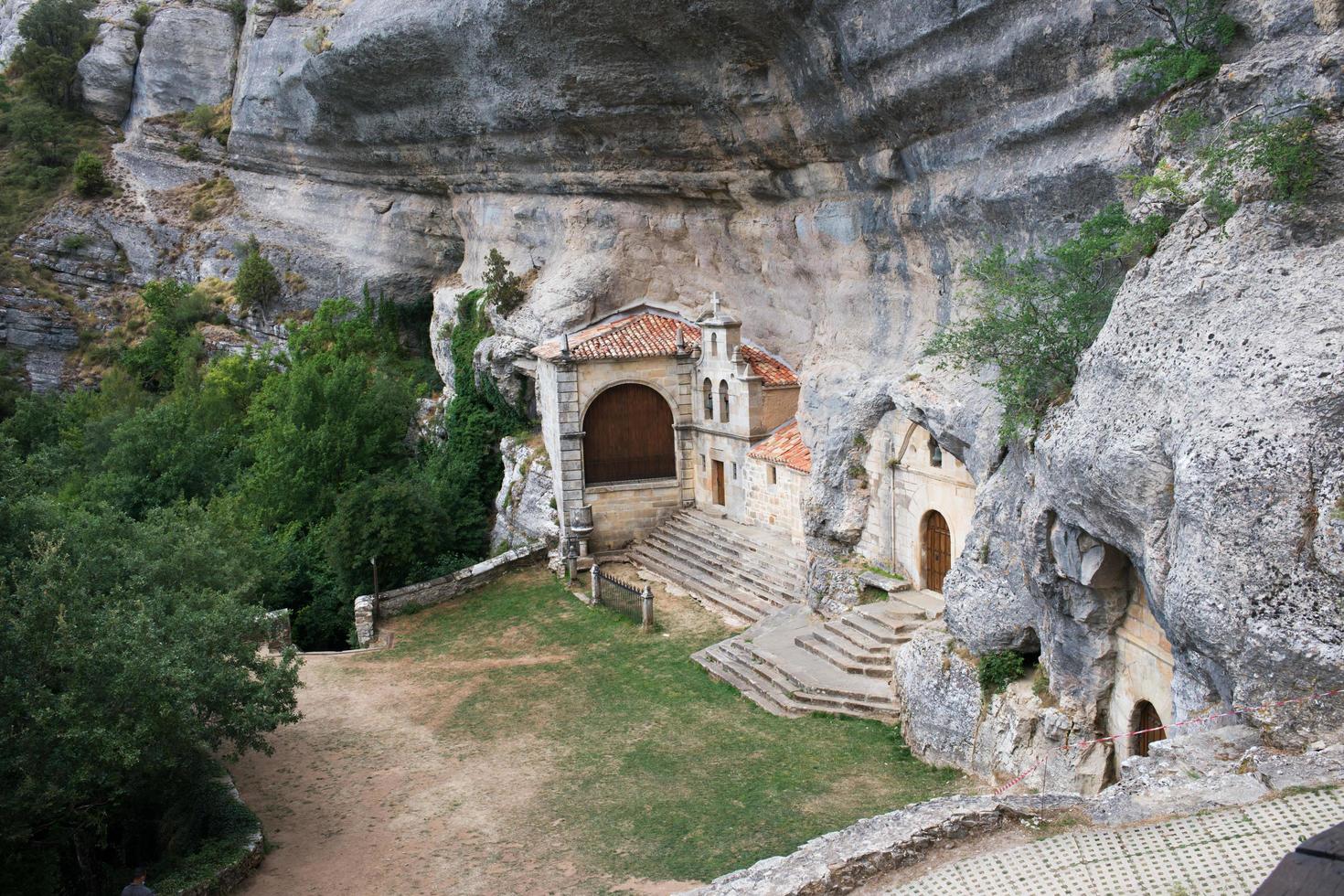
The site also preserves significant cultural heritage in the form of the Ermita de San Bernabé. This structure is built directly into the cave entrance, featuring murals from the 18th and 19th centuries. The chapel remains a focal point for local traditions, including the “Sala del Ayuntamiento,” which continues to host representative acts and community celebrations. This integration of a religious site within a natural cavern creates a distinct cultural landmark that distinguishes Ojo Guareña from other karst systems in Spain.
Guided Access and Visitor Protocols
Public access to Ojo Guareña is managed to balance tourism with the preservation of the delicate interior environment. The most accessible section for the general public is the Cueva Ermita de San Bernabé. This guided tour covers approximately 400 meters, allowing visitors to observe the limestone formations and the historical chapel without requiring specialized caving experience. Visitors are advised that the interior temperature remains constant throughout the year, typically ranging between 7 and 9 degrees Celsius, necessitating appropriate clothing regardless of external weather conditions.
For those interested in a more technical experience, the Cueva Palomera provides a deeper look into the system. Access to this sector is regulated as an “espeleopaseo,” or caving tour, which requires a moderate level of physical fitness and prior booking. Unlike the Ermita section, the Cueva Palomera remains largely in its natural, unconditioned state. Strict regulations are in place to protect the cave, including prohibitions on photography, smoking, and the consumption of food or drink while inside the galleries. These rules are enforced by the Fundación Patrimonio Natural de Castilla y León, which oversees the management and conservation of the monument.
Understanding the Karst Landscape
The term “karst” refers to a landscape formed by the dissolution of soluble rocks, such as limestone, dolomite, and gypsum. In the case of Ojo Guareña, the water cycle—involving surface rivers disappearing into the ground and re-emerging at lower elevations—has created a multi-layered system of galleries. This process is documented as an ongoing, natural phenomenon that continues to evolve. The site’s status as a Monumento Natural provides a legal framework for its protection, ensuring that the hydrological and biological diversity of the area is maintained for future scientific study.
Visitors planning a trip to the region should consult the official tourism portal for Castilla y León to check current opening hours, as access to specific sections of the cave can vary based on season and conservation requirements. The monument serves as a central hub for nature tourism in Burgos, attracting thousands of visitors who seek to explore the intersection of natural beauty and historical human settlement.
As of the most recent regional updates, the management of the site continues to focus on the long-term conservation of the cave’s archaeological deposits. Future management plans often involve periodic assessments of the cave’s structural stability and the impact of tourism on the internal ecosystem. For the most current information regarding tour availability and health and safety guidelines, the public is encouraged to visit the official regional government website. We invite readers to share their experiences or questions regarding the geological wonders of Burgos in the comments section below.
Keep reading