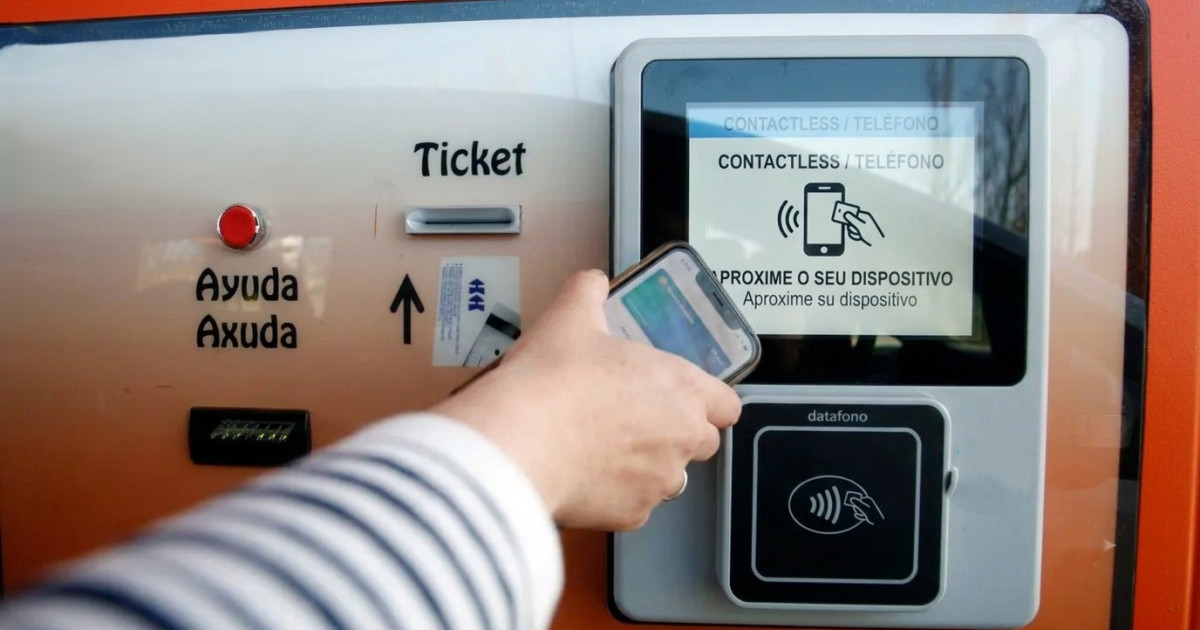
Spanish traffic regulations prohibit drivers from holding a mobile phone while behind the wheel, even when the vehicle is stationary at a traffic light or in a toll lane. According to the General Traffic Regulations (Reglamento General de Circulación), the prohibition on using handheld devices applies whenever the driver is in control of the vehicle, regardless of whether the engine is idling or the car is temporarily stopped in traffic.
This strict interpretation of the law often leads to confusion for motorists who assume that a red light or a toll booth offers a safe window to check notifications or complete a digital payment. However, Spanish authorities maintain that the driver remains an active participant in traffic flow during these brief stops, meaning any distraction—including reaching for a device—constitutes a potential safety hazard.
The Legal Basis for Mobile Phone Restrictions
Under Article 18 of the Spanish General Traffic Regulations, drivers are legally required to maintain their own freedom of movement, the necessary field of vision, and constant attention to driving. This mandate explicitly forbids the use of handheld devices, such as mobile phones, GPS units, or tablets, while driving. The Directorate-General for Traffic (DGT) interprets “driving” as any moment the vehicle is on public road, including periods where the vehicle is stopped due to traffic signals or congestion.
For motorists, this means that even if a vehicle is fully stopped, the act of picking up a mobile device to facilitate a payment or check a message is considered a violation. The law focuses on the state of the driver in relation to the vehicle’s operation, rather than the velocity of the car. Consequently, the DGT classifies the use of a mobile phone as a serious traffic offense, which carries penalties including the loss of points on a driver’s license and a monetary fine.
Payment Systems and the Toll Lane Dilemma
A frequent point of contention involves the use of mobile phones to pay for tolls. While many modern toll systems now accept digital payments via smartphone apps, the act of holding the device to a scanner or presenting a digital ticket can technically trigger a sanction if the driver is not using a hands-free mount or an automated system.

The DGT advises that if a driver intends to use a smartphone for any purpose, the device must be secured in a fixed support that does not require the driver to handle or manipulate the phone manually. Relying on a handheld device to navigate a payment gate is not exempt from the general rules against distraction. Traffic safety experts emphasize that the seconds spent looking at a screen rather than the road—even in a queue—can lead to delayed reactions when the traffic signal changes or the vehicle in front moves unexpectedly.
Safety Implications and Driver Distraction
The DGT classifies distracted driving as one of the primary factors in fatal road accidents. According to official data provided by the DGT, distracted driving remains the leading cause of accidents resulting in fatalities on Spanish roads. This includes the use of mobile phones, which significantly impairs a driver’s peripheral vision and situational awareness.

When a driver is distracted by a mobile device, their ability to perceive changes in the environment, such as a pedestrian crossing or a sudden stop by another vehicle, is severely compromised. The DGT’s stance is that safety cannot be intermittent; it must be constant from the moment the engine starts until the vehicle is parked in a legal, stationary position where the driver is no longer required to manage the controls of the car.
How to Comply with Traffic Regulations
To avoid penalties and ensure road safety, the DGT recommends that drivers adhere to the following guidelines:
- Hands-Free Requirements: Any mobile device used for navigation or communication must be secured in an approved, fixed mount.
- Minimize Interaction: Drivers should configure their GPS or digital payment apps before starting their journey.
- Stationary Means Stationary: Do not touch the phone while waiting at a red light or in a traffic jam.
- Automated Payments: Use electronic toll collection systems (such as Via-T) that allow for hands-free, automated passage through toll gates without the need to present a card or phone.
The DGT continues to monitor traffic safety through regular campaigns and enforcement actions. Motorists are encouraged to check for any updates to the DGT official headquarters website regarding future changes to vehicle technology and traffic laws. As authorities continue to emphasize the dangers of digital distractions, drivers should remain updated on the specific requirements for their vehicle category to ensure compliance with national standards.
Have you encountered issues with digital payment systems while driving? We invite our readers to share their experiences in the comments section below, provided they are in compliance with local road safety laws.