
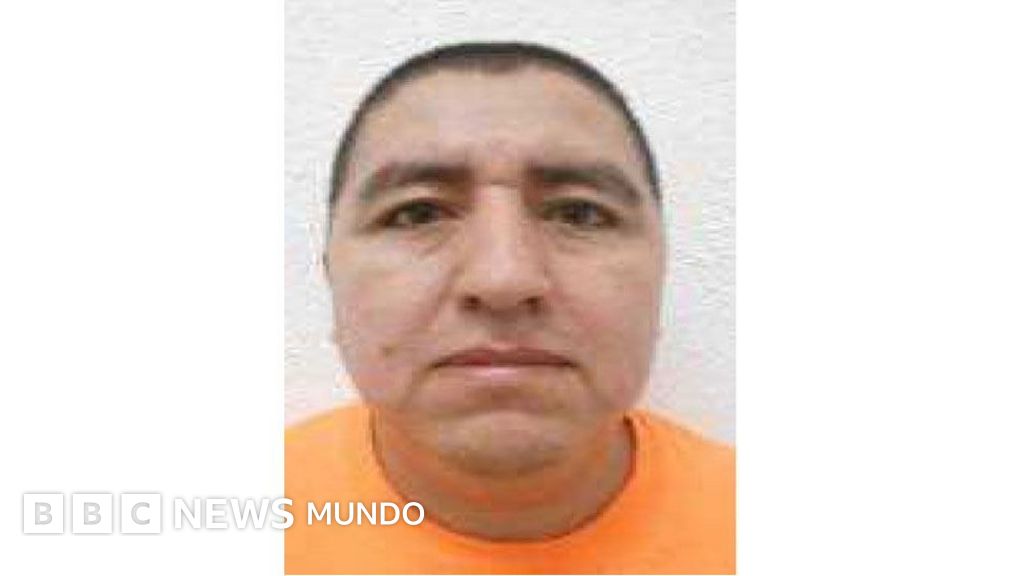
Mexico Captures “El Jardinero,” Alleged Heir to CJNG Cartel Leadership
In a major blow to one of Mexico’s most powerful criminal organizations, Mexican authorities have detained Audias Flores Silva, known as “El Jardinero,” a high-ranking leader of the Jalisco New Generation Cartel (CJNG) and a potential successor to its elusive kingpin, Nemesio Oseguera Cervantes, alias “El Mencho.” The arrest, executed by Mexico’s Secretariat of the Navy (SEMAR) on Monday, April 27, 2026, marks a significant victory in the country’s ongoing battle against organized crime and drug trafficking.
Flores Silva, whose aliases include “El Bravo 2” and “El Mata Jefes” (The Boss Killer), was captured in the western state of Nayarit during a precision operation by SEMAR’s Special Forces. The Mexican government confirmed that he faces multiple arrest warrants in Mexico and is also wanted by U.S. Authorities for extradition on charges of conspiracy to distribute cocaine and heroin. The U.S. Government had offered a $5 million reward for information leading to his capture, underscoring his importance in the cartel’s hierarchy.

Omar García Harfuch, Mexico’s Secretary of Security and Citizen Protection, announced the arrest via social media, praising the “bravery, discipline, and commitment” of SEMAR’s personnel. In a post on X (formerly Twitter), García Harfuch wrote: “In a planned operation developed and executed by the Secretariat of the Navy @SEMAR_mx, through its Special Forces, Audias Flores Silva, alias ‘El Jardinero,’ was detained in Nayarit. He has an arrest warrant in Mexico and is also wanted by U.S. Authorities for extradition. For his capture, the U.S. Government offered a $5 million reward.”
En una operación planeada, desarrollada y ejecutada por la Secretaría de Marina @SEMAR_mx, a través de sus Fuerzas Especiales, fue detenido en Nayarit Audias Flores Silva, alias “El Jardinero”.
Cuenta con orden de aprehensión en México y también es requerido por autoridades de… pic.twitter.com/5jqtX53Rzn— Omar H Garcia Harfuch (@OHarfuch) April 27, 2026
Who Is “El Jardinero”?
Audias Flores Silva’s rise within the CJNG reflects the cartel’s strategy of grooming loyalists to maintain its dominance in Mexico’s criminal underworld. According to Mexican and U.S. Authorities, Flores Silva was responsible for coordinating security operations, protecting high-ranking cartel leaders, and overseeing the production and distribution of methamphetamine in several states, including Nayarit, Jalisco, Zacatecas, Michoacán, Guerrero, and Colima. His role earned him a reputation as one of the cartel’s most ruthless enforcers, with the nickname “El Mata Jefes” hinting at his involvement in eliminating rival cartel leaders and internal dissenters.

The CJNG, founded in 2010, has grown into one of Mexico’s most formidable criminal organizations, with a presence in at least 27 of the country’s 32 states. The cartel is known for its brutal tactics, including mass killings, kidnappings, and the use of military-grade weaponry. Its leader, Nemesio Oseguera Cervantes, or “El Mencho,” has been a fugitive since 2015 and is one of the most wanted men in the world, with the U.S. Offering a $10 million reward for information leading to his capture. Flores Silva’s arrest raises questions about the cartel’s future leadership and whether it will trigger a power struggle within the organization.
The Arrest and Its Aftermath
The operation to capture Flores Silva took place in Nayarit, a state long contested by the CJNG and rival cartels. SEMAR’s Special Forces carried out the arrest without reported violence, a rarity in operations targeting high-value cartel targets. However, local media reported that the detention was followed by a wave of retaliatory attacks in Nayarit, including the burning of vehicles and businesses. Even as authorities have not confirmed whether these incidents are directly linked to Flores Silva’s arrest, such acts of intimidation are common in regions where cartels exert significant influence.
The Mexican government has not yet disclosed whether Flores Silva will be extradited to the United States, where he faces charges of conspiracy to distribute narcotics. Extradition proceedings in Mexico can be lengthy and politically sensitive, particularly in high-profile cases involving cartel leaders. However, the U.S. Government’s $5 million bounty suggests that prosecutors view his capture as an opportunity to dismantle key aspects of the CJNG’s operations, including its supply chains for cocaine and heroin.
The CJNG’s Global Reach
The CJNG’s influence extends far beyond Mexico’s borders. The cartel is a major supplier of fentanyl, methamphetamine, and other synthetic drugs to the U.S. Market, contributing to the ongoing opioid crisis. According to the U.S. Drug Enforcement Administration (DEA), the CJNG is responsible for a significant portion of the fentanyl seized at the U.S.-Mexico border, with the cartel’s production labs in Mexico serving as key hubs for the drug’s manufacture and distribution. The DEA has described the CJNG as “one of the most powerful and fastest-growing cartels in the world,” with operations spanning North America, Europe, and Asia.
Flores Silva’s arrest is the latest in a series of high-profile detentions targeting CJNG leaders. In recent years, Mexican authorities have captured or killed several of the cartel’s top figures, including Rosalinda González Valencia, “El Mencho’s” wife, and Erick Valencia Salazar, one of the cartel’s co-founders. Despite these setbacks, the CJNG has demonstrated a remarkable ability to adapt, often promoting mid-level operatives to fill leadership vacuums. The question now is whether Flores Silva’s arrest will weaken the cartel or simply pave the way for another loyalist to rise through the ranks.
What Happens Next?
Flores Silva is currently in Mexican custody, where he will face domestic charges before any potential extradition to the United States. Mexican law requires that extradition requests be reviewed by a judge, a process that can take months or even years, particularly in cases involving complex legal arguments or political considerations. Meanwhile, U.S. Authorities are likely to press for his swift transfer, given the severity of the charges against him.
For the CJNG, the arrest of a potential successor to “El Mencho” could trigger internal instability. The cartel has historically responded to leadership losses with violent purges, targeting suspected traitors or rivals within its ranks. Analysts warn that the coming weeks could see an uptick in violence in states where the CJNG operates, particularly in Jalisco, Nayarit, and Michoacán, where the cartel has clashed with rival groups like the Sinaloa Cartel and local self-defense militias.
For Mexico, the arrest is a symbolic victory in its long-running war against organized crime. However, the country’s broader security challenges remain daunting. Cartels like the CJNG continue to wield significant power, corrupting local governments, infiltrating law enforcement, and terrorizing communities. While Flores Silva’s capture is a step forward, it is unlikely to dismantle the cartel’s operations or curb the flow of drugs across the U.S.-Mexico border.
Key Takeaways
- Arrest of a High-Value Target: Audias Flores Silva, alias “El Jardinero,” was captured by Mexican authorities in Nayarit on April 27, 2026. He is considered a potential successor to CJNG leader Nemesio Oseguera Cervantes, alias “El Mencho.”
- U.S. Extradition Request: Flores Silva is wanted in the United States on charges of conspiracy to distribute cocaine and heroin. The U.S. Government had offered a $5 million reward for his capture.
- Role in the CJNG: Flores Silva oversaw security operations, protected cartel leaders, and managed methamphetamine production in multiple Mexican states. His arrest could disrupt the CJNG’s operations but may also trigger internal power struggles.
- Retaliatory Violence: Local media reported arson attacks on vehicles and businesses in Nayarit following the arrest, though authorities have not confirmed a direct link to the detention.
- Global Impact: The CJNG is a major supplier of fentanyl and methamphetamine to the U.S. And other international markets. Flores Silva’s arrest is part of broader efforts to dismantle the cartel’s drug trafficking networks.
What This Means for Mexico’s Security Landscape
The arrest of Audias Flores Silva is a reminder of the Mexican government’s ongoing efforts to combat organized crime, even as cartels continue to adapt and evolve. While the capture of high-ranking cartel leaders often leads to short-term disruptions in their operations, history has shown that these organizations are resilient. The CJNG, in particular, has demonstrated an ability to replace lost leaders quickly, often promoting loyalists who are equally ruthless and effective.

For communities in states like Nayarit, Jalisco, and Michoacán, the arrest may bring temporary relief, but the threat of cartel violence remains ever-present. The Mexican government’s strategy of targeting cartel leaders—known as “decapitation”—has had mixed results, sometimes leading to increased violence as factions vie for control. The coming months will be critical in determining whether Flores Silva’s arrest weakens the CJNG or simply accelerates its transformation into a more fragmented, and potentially more dangerous, organization.
As the legal process unfolds, all eyes will be on whether Flores Silva is extradited to the United States or remains in Mexican custody. His case could also shed light on the CJNG’s internal dynamics and whether “El Mencho” is grooming another successor—or if the cartel’s leadership is more decentralized than previously believed.
For now, the arrest stands as a rare victory for Mexican authorities in their fight against one of the world’s most powerful criminal organizations. But in the shadowy world of cartel politics, today’s triumph can quickly become tomorrow’s challenge.
What are your thoughts on the arrest of “El Jardinero” and its potential impact on the CJNG? Share your views in the comments below, and don’t forget to follow World Today Journal for the latest updates on global security and organized crime.