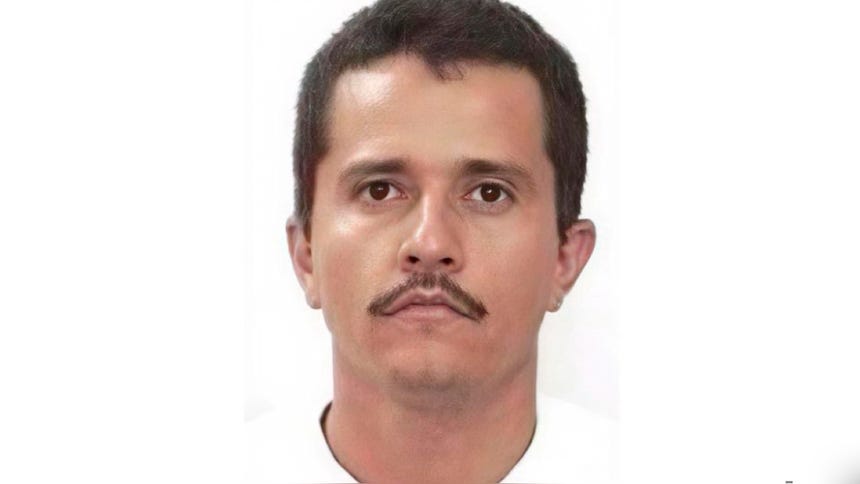
Tapalpa, Jalisco, Mexico – In a significant blow to organized crime in Mexico, Nemesio Oseguera Cervantes, widely known as “El Mencho,” the leader of the Jalisco New Generation Cartel (CJNG), was killed during a military operation on February 22, 2026. The operation, conducted by the Mexican Army’s Special Forces in the municipality of Tapalpa, Jalisco, marks a turning point in the country’s ongoing struggle against drug trafficking and cartel violence. The death of El Mencho, long considered the most wanted man in Mexico and a high-priority target for U.S. Law enforcement, follows years of intense pursuit and represents a major victory for the Mexican government.
The operation unfolded as Mexican forces moved to apprehend Oseguera Cervantes. According to a statement released by the Mexican Secretariat of National Defense (SEDENA), the military personnel encountered resistance from cartel members, resulting in a firefight. Four CJNG members were killed at the scene, and three others sustained serious injuries, later succumbing to those injuries during transport to a hospital in Mexico City. Authorities indicated that among those who died was Rubén ‘N’, believed to be El Mencho, but forensic analysis is underway to confirm his identity definitively. Two additional cartel members were apprehended, and a substantial cache of weaponry, including rocket launchers capable of downing aircraft and armored vehicles, was seized.
El Mencho’s rise to power within the CJNG transformed the cartel into one of the most powerful and violent criminal organizations in Mexico. Under his leadership, the CJNG expanded its operations beyond traditional drug trafficking, engaging in activities such as extortion, kidnapping, and the production and distribution of fentanyl. The United States government had offered a reward of up to $15 million for information leading to his arrest or conviction, while the Mexican Attorney General’s Office offered a reward of 300 million Mexican pesos. These substantial bounties underscore the international concern surrounding his activities and the perceived threat he posed to both countries.
Who Was ‘El Mencho’?
Nemesio Oseguera Cervantes, born on July 17, 1966, in Aguililla, Michoacán, Mexico, built the CJNG from a relatively small group into a formidable force challenging the dominance of established cartels. His ruthless tactics and strategic acumen quickly propelled him to the top of the criminal underworld. The CJNG, under El Mencho’s command, became notorious for its brazen displays of force, often engaging in direct confrontations with Mexican security forces. His leadership was characterized by a willingness to employ extreme violence, contributing to a significant increase in homicides and instability in several regions of Mexico.
The U.S. Drug Enforcement Administration (DEA) accused Oseguera Cervantes of orchestrating a “reign of terror” in Mexico and causing immeasurable harm through the trafficking of fentanyl. The CJNG’s involvement in the fentanyl trade has been a major source of concern for U.S. Authorities, as the synthetic opioid is responsible for a significant number of overdose deaths in the United States. The DEA’s pursuit of El Mencho reflects the agency’s commitment to disrupting the flow of fentanyl into the U.S. And holding those responsible accountable.
CJNG Designated a Terrorist Organization by the U.S.
In April 2023, the United States government officially designated the CJNG as a “Specially Designated Global Terrorist Entity,” recognizing the cartel’s increasingly dangerous and destabilizing activities. The U.S. State Department stated that this designation was a result of the CJNG’s use of violence to intimidate and control populations, as well as its involvement in transnational criminal activities. This designation allows the U.S. Government to impose sanctions on individuals and entities associated with the CJNG, further restricting their access to the international financial system.
Following the operation resulting in El Mencho’s death, suspected CJNG members responded with a wave of violence across several Mexican states. Reports indicate widespread roadblocks, vehicle fires, and attacks on businesses in Jalisco, Michoacán, Colima, Nayarit, Aguascalientes, Tamaulipas, and Guanajuato. These actions demonstrate the cartel’s capacity to disrupt public order and its willingness to retaliate against government forces. The Mexican Security Cabinet reported that it was actively addressing the blockades in Jalisco, prioritizing the safety and security of citizens.
The death of El Mencho raises questions about the future of the CJNG and the potential for a power struggle within the organization. While the cartel has demonstrated resilience in the past, the loss of its charismatic and ruthless leader could create internal divisions and weaken its operational capabilities. However, experts caution that the CJNG remains a significant threat, and its fragmentation could potentially lead to increased violence as rival factions compete for control. The Mexican government has vowed to continue its efforts to dismantle the cartel and restore order in the affected regions.
#UltimaHora #Comunicado@Defensamx1 se hace del conocimiento a la opinión pública que, con trabajos de inteligencia militar central, del Centro Nacional de Inteligencia y de la Fiscalía General de República (FEMDO), Fuerzas Especiales del Ejército Mexicano planearon y…
— @Defensamx (@Defensamx1) February 22, 2026
The broader implications of El Mencho’s death extend beyond Mexico’s borders. The CJNG’s international reach, particularly its involvement in the fentanyl trade, has made it a target for law enforcement agencies worldwide. Disrupting the cartel’s operations could have a significant impact on the supply of fentanyl to the United States and other countries, potentially saving lives and reducing the harm associated with the opioid crisis. However, experts warn that other cartels may attempt to fill the void left by the CJNG, and the fight against drug trafficking will continue to be a complex and challenging endeavor.
The Mexican government’s success in neutralizing El Mencho is a testament to its increased investment in intelligence gathering and military capabilities. However, addressing the root causes of cartel violence, such as poverty, corruption, and lack of economic opportunities, will be crucial for achieving long-term stability. The United States and Mexico have a shared responsibility to work together to combat drug trafficking and address the underlying factors that contribute to the growth of criminal organizations. The coming weeks and months will be critical in assessing the full impact of El Mencho’s death and determining the future trajectory of the CJNG.
Authorities are expected to release further details regarding the forensic confirmation of El Mencho’s identity and the ongoing investigation into the CJNG’s operations in the coming days. The Mexican government has pledged to maintain a strong security presence in the affected regions and to continue its efforts to dismantle the cartel’s infrastructure. The international community will be closely monitoring the situation, hoping that this marks a significant step towards reducing the violence and instability caused by drug trafficking in Mexico and beyond.
As Mexico grapples with the aftermath of this operation, the focus will undoubtedly shift to identifying and apprehending El Mencho’s successors and dismantling the CJNG’s remaining networks. The challenge ahead is immense, but the death of its long-time leader represents a critical opportunity to disrupt the cartel’s operations and restore a semblance of security to the communities it has terrorized for so long. Readers are encouraged to share their thoughts and perspectives on this developing story in the comments below.
Keep reading