Is an Early Return of El Niño on the Horizon?
The world’s climate is in a state of flux and the potential re-emergence of El Niño is raising concerns among scientists and policymakers. While the full impact remains to be seen, early indicators suggest a possible development of this climate pattern in 2026, potentially exacerbating already rising global temperatures and triggering a cascade of regional weather disruptions. The question isn’t simply *if* El Niño will return, but *why so soon* – and whether this signals a shift towards more frequent and intense occurrences of this phenomenon.
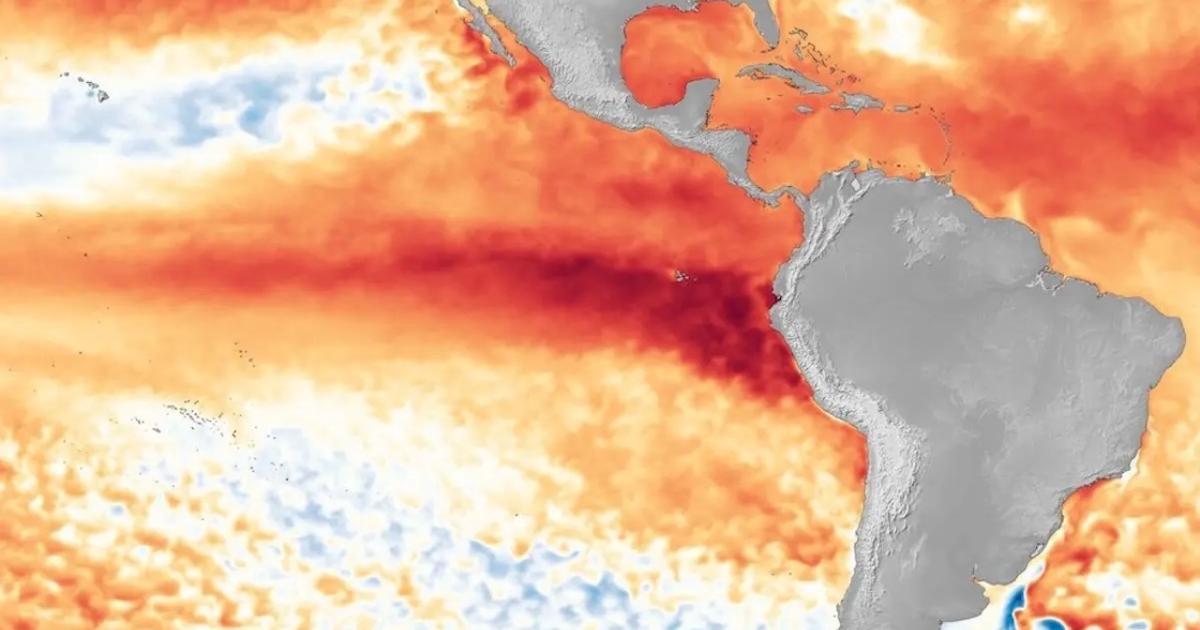
El Niño, meaning “the boy” in Spanish, is a naturally occurring climate pattern characterized by unusually warm surface waters in the central and eastern tropical Pacific Ocean. This warming disrupts normal atmospheric circulation, leading to significant shifts in weather patterns around the globe. Conversely, La Niña, “the girl,” represents the cooling phase of this cycle. These fluctuations, collectively known as the El Niño-Southern Oscillation (ENSO), have been observed for centuries, impacting rainfall, temperature, and marine ecosystems. According to the National Oceanic and Atmospheric Administration (NOAA), El Niño events typically occur every two to seven years .
Understanding the Mechanics of El Niño
At its core, defining an El Niño event – or its counterpart, La Niña – hinges on temperature anomalies in the Pacific Ocean. If temperatures remain 0.5 degrees Celsius (0.9 degrees Fahrenheit) above the long-term average for an extended period, it’s classified as an El Niño. Conversely, temperatures 0.5 degrees Celsius below average indicate a La Niña. These temperature shifts trigger a domino effect, influencing weather patterns across the Pacific region and beyond. The warm waters associated with El Niño suppress the upwelling of nutrient-rich cold water along the coasts of South America, impacting fisheries and marine life.
The current concern stems from the possibility of an El Niño developing sooner than typically expected. While the cyclical nature of ENSO is well-established, the increasing frequency and intensity of these events are prompting scientists to investigate whether climate change is playing a role. Rising global average temperatures are known to increase the risk of extreme weather events, and an El Niño event could amplify these risks, leading to more severe floods, droughts, and heatwaves. Research published in 2023 suggested that a warming climate could lead to more frequent and intense El Niño events , based on modeling of past climates from around 20,000 years ago.
Current Predictions and Global Impacts
The World Meteorological Organization (WMO) issued a statement on March 3rd, 2026, noting that La Niña is waning in the Pacific, while computer models are indicating “a possibility” of El Niño developing . NOAA assessed the probability of El Niño developing this summer between 50 and 60 percent as of mid-February 2026 . This forecast is particularly significant given the backdrop of record-breaking global temperatures in recent years.
The potential consequences of an El Niño event in 2026 are far-reaching. Historically, El Niño has been linked to increased rainfall in the western United States and droughts in Southeast Asia and Australia. Indonesia, for example, has already issued warnings about potential drought conditions in Java and Bali . Globally, El Niño tends to contribute to higher average temperatures, potentially pushing 2026 towards becoming one of the warmest years on record. Some regions may experience increased flooding, while others face prolonged periods of drought, impacting agriculture, water resources, and public health.
The economic implications are too substantial. Accurate and timely forecasts of El Niño and La Niña events are crucial for mitigating potential losses. According to the WMO, seasonal forecasts can facilitate countries prepare for and limit damage to agriculture, water management, coastal infrastructure, and public health, particularly for vulnerable populations. “Seasonal forecasts for El Niño and La Niña would help us avoid millions of dollars in economic losses and are essential planning tools,” stated the WMO Secretary-General in a recent press release.
The Broader Context: Climate Change and ENSO
The potential for an early and strong El Niño event raises critical questions about the interplay between natural climate variability and human-induced climate change. While El Niño is a natural phenomenon, the warming of the planet is altering the baseline conditions, potentially amplifying its impacts. The increased frequency and intensity of extreme weather events, such as floods and heatwaves, are already being attributed to climate change, and an El Niño event could exacerbate these trends.
Scientists are actively researching the complex relationship between climate change and ENSO. Some studies suggest that a warmer climate may lead to more frequent El Niño events, while others indicate that the characteristics of El Niño events themselves may be changing. Understanding these dynamics is crucial for developing effective strategies to adapt to and mitigate the impacts of climate change. The potential for more frequent and intense El Niño events underscores the urgent need for global action to reduce greenhouse gas emissions and limit further warming.
Preparing for a Potential El Niño Year
Given the potential for significant disruptions, proactive preparation is essential. Countries in vulnerable regions should prioritize early warning systems, invest in climate-resilient infrastructure, and develop comprehensive disaster preparedness plans. Farmers can adopt drought-resistant crops and implement water conservation measures. Public health officials can prepare for potential outbreaks of climate-sensitive diseases. International cooperation is also crucial, as El Niño’s impacts transcend national borders.
The ability to accurately predict El Niño events is paramount. NOAA and the WMO are continuously refining their forecasting models, incorporating new data and research findings. Improved forecasting capabilities will allow for more effective early warning systems and better-informed decision-making. Continued investment in climate research and monitoring is essential for understanding the evolving dynamics of ENSO and its interactions with the broader climate system.
Key Takeaways:
- An El Niño event is likely to develop in 2026, with a 50-60% probability according to NOAA.
- El Niño typically brings increased rainfall to the western US and droughts to Southeast Asia and Australia.
- Climate change may be increasing the frequency and intensity of El Niño events.
- Proactive preparation and international cooperation are crucial for mitigating the impacts of a potential El Niño year.
The next key update from NOAA regarding ENSO conditions is expected in April 2026. Staying informed about the latest forecasts and preparedness measures is crucial for individuals, communities, and governments alike. Share your thoughts and concerns about the potential impacts of El Niño in the comments below.
Related reading