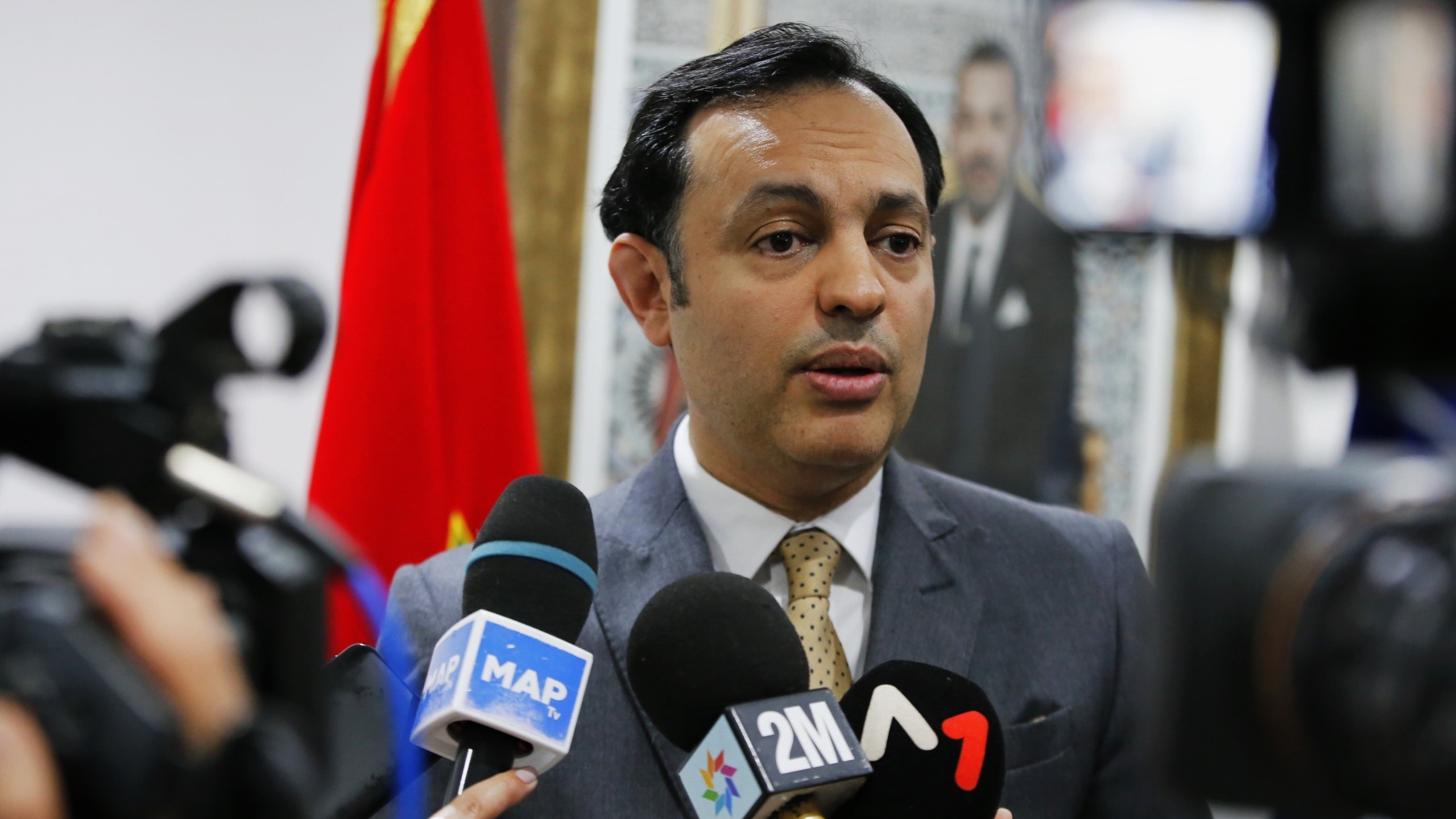
Moroccan Minister Advocates for “Leadership Posture” Within Public Administration
Rabat – Younes Sekkouri, Morocco’s Minister of Inclusion Economic, Small Enterprises, Employment and Skills Development, has emphasized the critical demand for a “leadership posture” within the nation’s public administration. Speaking in Rabat on Wednesday, Sekkouri argued that this approach is essential for fostering innovation and effectively addressing complex socio-economic challenges, transforming them into opportunities for growth. The call for a more proactive and dynamic administrative structure comes as Morocco navigates a period of evolving economic landscapes and increasing global competition.
Sekkouri’s remarks underscore a growing recognition within the Moroccan government of the need to modernize public services and enhance their responsiveness to the needs of citizens and businesses. The emphasis on leadership suggests a move away from traditional bureaucratic models towards a more agile and forward-thinking administrative culture. This shift is seen as vital for attracting investment, promoting entrepreneurship, and improving the overall business climate in Morocco. The Minister’s statements align with broader efforts to streamline government processes and improve efficiency across various sectors.
Younes Sekkouri was appointed to his current role on October 7, 2021, by King Mohammed VI. His appointment reflects a commitment to bringing fresh perspectives and expertise to the crucial areas of economic inclusion, small enterprise development, and skills training. He as well currently serves as a Deputy representing the 1st constituency of Skhirate-Temara, a position he has held since 2011.
Academic Background and Expertise
Sekkouri’s background is deeply rooted in academic research and business strategy. He holds a Doctorate in Strategy from the Institut Supérieur de Commerce et d’Administration des Entreprises (ISCAE) in Morocco. His doctoral thesis focused on “Analysis of Political Risk in Strategic Decisions – Case of Reforms of Public Policies in Morocco,” demonstrating a keen understanding of the interplay between political factors and economic development. This research provides a strong foundation for his current role, enabling him to navigate the complexities of policy implementation and risk management.
Beyond his doctoral studies, Sekkouri has pursued extensive executive education at leading international institutions. He holds two Executive M.B.A. Degrees, one from École des Ponts Business School in Paris, France, and another from the Fox School of Business at Temple University in the United States. These programs have equipped him with a global perspective and a comprehensive understanding of best practices in business administration. His commitment to continuous learning is further evidenced by his participation in a high-level reckon tank focused on post-COVID strategies, developed in collaboration with Professor Ronald Heifetz of the Harvard Kennedy School Network, a leading expert in Adaptive Leadership.
Sekkouri is also a laureate of the Aspen Institute in Paris and holds an engineering degree in telecommunications from the Institut National des Postes et Télécommunications in Rabat. This diverse educational background highlights his multidisciplinary expertise and his ability to approach challenges from multiple angles.
The Need for Adaptive Leadership in Morocco’s Public Sector
The concept of “adaptive leadership,” as championed by Professor Heifetz, is central to Sekkouri’s vision for transforming Morocco’s public administration. Adaptive leadership emphasizes the importance of tackling complex challenges that lack clear-cut solutions, requiring experimentation, collaboration, and a willingness to learn from failures. This approach is particularly relevant in the context of Morocco’s evolving socio-economic landscape, where traditional approaches may no longer be sufficient to address emerging challenges.
The Moroccan government has been actively pursuing reforms aimed at improving the efficiency and effectiveness of the public sector. These reforms include initiatives to digitize government services, streamline administrative procedures, and enhance transparency. However, Sekkouri’s call for a “leadership posture” suggests that technical reforms alone are not enough. A fundamental shift in mindset and culture is needed to empower public servants to take ownership of challenges, embrace innovation, and deliver better results for citizens.
The emphasis on leadership also reflects a recognition of the importance of building capacity within the public sector. Investing in training and development programs that equip public servants with the skills and knowledge they need to navigate complex challenges is crucial for fostering a culture of continuous improvement. This includes developing skills in areas such as strategic thinking, problem-solving, communication, and collaboration.
Challenges and Opportunities for Morocco’s Economy
Morocco’s economy faces a number of significant challenges, including high unemployment rates, particularly among young people, and a reliance on traditional sectors such as agriculture and tourism. The COVID-19 pandemic has exacerbated these challenges, disrupting supply chains and reducing demand for Moroccan exports. However, Morocco also has significant opportunities for growth, including its strategic location, its growing renewable energy sector, and its efforts to diversify its economy.
Sekkouri’s ministry plays a key role in addressing these challenges and capitalizing on these opportunities. The ministry is responsible for implementing policies aimed at promoting economic inclusion, supporting small and medium-sized enterprises (SMEs), and improving the skills of the Moroccan workforce. SMEs are a vital engine of economic growth in Morocco, accounting for a significant share of employment and GDP. However, they often face challenges in accessing finance, technology, and markets.
The ministry is also focused on addressing the skills gap in Morocco’s labor market. This involves working with educational institutions and training providers to ensure that the skills being taught are aligned with the needs of employers. Investing in vocational training and apprenticeships is seen as crucial for equipping young people with the skills they need to succeed in the workforce.
Looking Ahead
Sekkouri’s call for a “leadership posture” within the Moroccan public administration represents a significant step towards modernizing the country’s governance structures and fostering a more dynamic and innovative economy. The success of this initiative will depend on a sustained commitment to investing in human capital, embracing new technologies, and fostering a culture of collaboration and continuous improvement. The Minister’s background and expertise position him well to lead these efforts, and his vision aligns with Morocco’s broader aspirations for economic and social development.
Further details regarding specific initiatives and policy changes are expected to be announced in the coming months. The Ministry of Inclusion Economic, Small Enterprises, Employment and Skills Development will likely release detailed plans outlining the implementation of the “leadership posture” framework and the associated training programs. Stakeholders across the public and private sectors will be closely watching these developments, as they will have a significant impact on the future of Morocco’s economy.
Key Takeaways:
- Moroccan Minister Younes Sekkouri is advocating for a shift towards a “leadership posture” within the public administration.
- This approach emphasizes innovation, adaptability, and a proactive response to socio-economic challenges.
- Sekkouri’s background in strategy and leadership positions him to drive this transformation.
- The initiative aims to improve the efficiency and effectiveness of public services and promote economic growth.
We encourage readers to share their thoughts and perspectives on this important development in the comments section below. Stay tuned to World Today Journal for further updates on Morocco’s economic and political landscape.
Keep reading