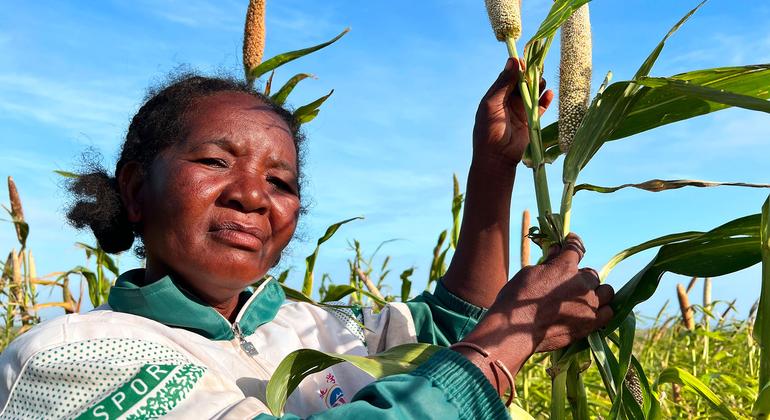
The World Meteorological Organization (WMO) said on Friday that more blistering heatwaves and other weather extremes are becoming increasingly likely across the world now and in coming months, linked to strengthening El Niño conditions in the tropical Pacific.
According to the WMO’s latest climate update, the transition from a neutral state to an active El Niño phase significantly alters atmospheric circulation. While the phenomenon is a natural occurrence, its current intensity is coinciding with long-term human-induced climate change, creating a cumulative impact that increases the probability of temperature anomalies and severe precipitation patterns.
Understanding the El Niño Mechanism
El Niño is defined by the periodic warming of ocean surface temperatures in the central and eastern tropical Pacific. This shift disrupts traditional wind patterns, which typically push warm water toward Asia and Australia. When these winds weaken, the warm water surges eastward toward the Americas, fundamentally changing global weather systems.
The WMO reports that the current event is expected to influence temperature and rainfall patterns globally for several months. Historically, El Niño years have been associated with increased global mean temperatures. Because the ocean acts as a massive heat reservoir, the energy released during this phase can have a lingering effect, extending the period of extreme weather beyond the initial oceanic warming phase.
Global Impacts and Weather Extremes
The consequences of a strengthening El Niño are not geographically uniform. While some regions experience severe drought, others face an increased risk of flooding due to heavy rainfall. The National Oceanic and Atmospheric Administration (NOAA) notes that the influence of El Niño on weather is most pronounced during the Northern Hemisphere’s winter months, though its effects on global heat accumulation are felt year-round.
Key impacts identified by meteorological agencies include:
- Increased Heatwaves: Higher baseline temperatures make extreme heat events more frequent and more intense.
- Altered Precipitation: Certain regions, such as parts of South America and Southern Africa, often experience drier conditions, while the southern United States and parts of South America may see increased rainfall.
- Marine Ecosystem Stress: The shift in water temperatures impacts nutrient distribution, which can negatively affect fisheries and coral reefs.
The Role of Climate Change Amplification
A critical point of distinction in current reporting is the interaction between El Niño and anthropogenic climate change. Scientific consensus, as documented by the Intergovernmental Panel on Climate Change (IPCC), indicates that the planet’s baseline temperature has risen significantly due to greenhouse gas emissions. When a natural climate driver like El Niño occurs, it acts as a force multiplier.
This means that modern extreme weather events are occurring on a “warmer foundation” than those recorded in previous decades. The WMO emphasizes that this combination is pushing global climate metrics into unprecedented territory, making the monitoring of these trends essential for disaster risk reduction and agricultural planning.
Preparedness and Official Updates
Governments and international aid organizations are utilizing these forecasts to adjust emergency response strategies. Early warning systems are currently being prioritized to mitigate the impact on food security and public health, particularly in vulnerable regions where the economy is heavily dependent on rainfall for agriculture.
Readers looking for real-time monitoring of these conditions can consult the World Meteorological Organization’s official portal, which provides ongoing updates on tropical Pacific sea surface temperatures and atmospheric pressure indicators. The next major assessment regarding the duration and intensity of the current El Niño cycle is expected to be released by international climate bodies in the coming quarter.
This report serves as a summary of current meteorological data. Please share this information to help others stay informed on global climate developments, and join the conversation in the comments section below regarding how your local region is preparing for changing weather patterns.