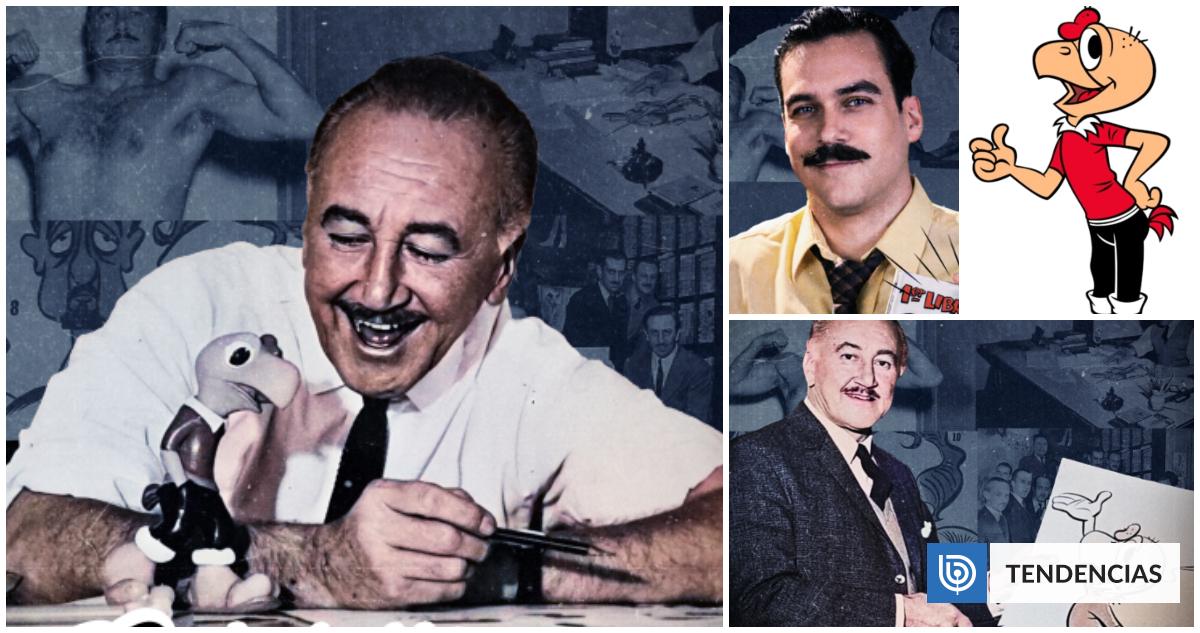
In the vibrant tapestry of Latin American cultural history, few figures loom as large as Condorito, the mischievous, bumbling, yet endearing condor-human hybrid who has captured the hearts of generations. While the character remains a staple of newspaper strips across the continent, a new documentary, El Padre del Cóndor, is set to shine a spotlight on the man behind the mask: the visionary cartoonist René Ríos Boettiger, known universally as Pepo.
The film, which chronicles the life and creative evolution of one of Chile’s most influential artists, is scheduled to make its world premiere in the city of Concepción, a decision that resonates deeply with the region’s historical and cultural identity. As a sports editor, I often look for the “game-changing” moments in history, and the birth of a cultural icon is precisely that. This documentary offers more than just a biography; it provides an intimate look at the creative process that birthed a character whose influence transcends the printed page.
A Legacy Defined by Satire and Resilience
René Ríos Boettiger, born in Concepción in 1911, was not merely a cartoonist; he was a social observer who mastered the art of using humor to navigate the complexities of Chilean society. Before he became the father of the iconic condor, Pepo honed his craft in the pages of various magazines, where his sharp wit and distinctive illustration style began to emerge. The creation of Condorito in 1949 was, in many ways, a response to a perceived lack of authentic Chilean representation in international media—a desire to create a character that mirrored the “everyman” of the Andean nation.

The documentary El Padre del Cóndor explores these formative years, tracing the evolution of his style and the societal pressures that often influenced his work. According to records from the National Library of Chile, the character of Condorito was initially conceived as a critique of the stereotypical portrayal of Chileans, eventually growing into a beloved national symbol. By anchoring the premiere in Concepción, the filmmakers pay homage to the city that served as the cradle for the artist’s early inspirations.
Concepción: A Fitting Stage for a Global Debut
Choosing Concepción for the world premiere is a strategic and symbolic move. As a major cultural hub in southern Chile, the city has long fostered a unique intellectual and artistic environment. The documentary aims to bridge the gap between the historical context of Pepo’s era and the contemporary relevance of his work in today’s digital landscape. For fans and scholars alike, this premiere represents a significant milestone in the preservation of Chilean pop culture heritage.

The production team behind the film has emphasized that the narrative is not merely a chronological recount of dates and events, but a deep dive into the psyche of a man who was, at heart, a humorist. The film features previously unseen archival material, providing a rare glimpse into the private life of an artist who was often as enigmatic as his most famous creation. The project has received support from local cultural institutions, highlighting the importance of regional initiatives in documenting national history.
Key Takeaways from the Documentary
- The Origins of an Icon: The film provides a detailed look at the 1949 debut of Condorito and the socio-political environment that necessitated his creation.
- Pepo’s Artistic Evolution: A chronological exploration of René Ríos Boettiger’s career, from his early sketches to his status as a national treasure.
- Cultural Impact: An analysis of how Condorito became a bridge between different social classes in Chile and across Latin America.
- Regional Significance: Why the filmmakers chose Concepción to host the world premiere, emphasizing the city’s role in shaping the artist’s worldview.
Why Pepo’s Work Still Resonates Today
In an age dominated by high-tech animation and globalized content, the enduring popularity of Condorito is a testament to the power of relatable, character-driven storytelling. Pepo understood that humor is the best vehicle for social commentary. His ability to capture the irony of everyday life—the frustrations of the workplace, the complexity of relationships, and the absurdity of bureaucracy—remains as relevant today as it was seven decades ago. This documentary serves as a reminder that the best art is that which reflects the humanity of its audience.
For those interested in the history of Latin American journalism and graphic arts, El Padre del Cóndor offers a necessary perspective on how satire can shape public discourse. The Ministry of Cultures, Arts, and Heritage of Chile continues to emphasize the importance of such archival and biographical works in maintaining the collective memory of the nation. As we await the official release, the buzz surrounding the Concepción premiere serves as a reminder that icons like Condorito are not just cartoons; they are integral parts of the cultural DNA of a continent.
Looking ahead, the film is expected to begin a circuit of national screenings following the premiere, with potential international distribution details to be announced later this year. Fans are encouraged to keep an eye on official cultural bulletins and local cinema listings for updates on ticketing and showtimes. As the premiere approaches, the story of Pepo continues to remind us that behind every great cultural phenomenon lies a human life filled with passion, struggle, and an unwavering commitment to the craft.
What are your favorite memories of reading Condorito? Join the conversation in the comments section below and share your thoughts on the legacy of one of Latin America’s greatest cartoonists.
Keep reading