
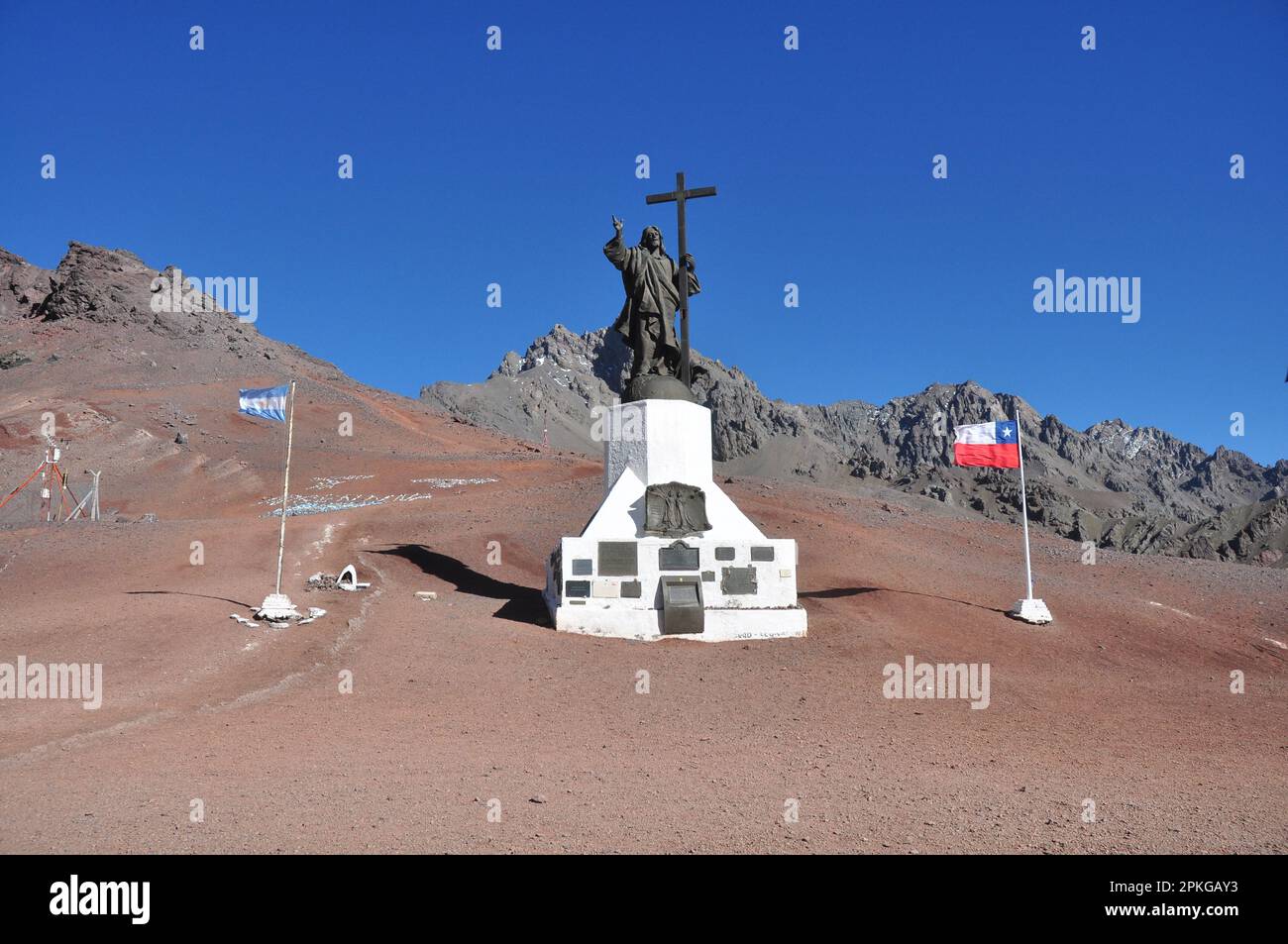
Travelers planning to cross between Argentina and Chile via the Andes Mountains are advised to check the current status of the Paso Internacional Cristo Redentor before embarking on their journey. This vital mountain pass, which connects Mendoza Province in Argentina with the Valparaíso Region in Chile, remains a key corridor for both passenger and freight traffic despite seasonal weather challenges.
As of Saturday, April 25, 2026, the Cristo Redentor Pass is operating under specific restrictions due to persistent adverse weather conditions in the high Andes. Official coordination between Argentine and Chilean authorities has maintained limited access to ensure safety, particularly following recent snowfall and freezing temperatures that affect road conditions.
The pass, situated at an elevation of approximately 3,200 meters above sea level, is subject to rapid weather changes that can impact visibility and traction. Authorities routinely issue advisories urging travelers to verify real-time updates through official channels, as conditions can shift quickly, especially during the autumn months when winter patterns commence to establish in the region.
Current Operating Status and Restrictions
According to the latest integrated border system reports, the Paso Cristo Redentor remains open but with reduced operating hours and vehicle restrictions. As confirmed in official communications from April 10, 2026, the pass has been subject to preventive closures during periods of severe weather, with reopening contingent upon technical evaluations of the roadway and improvement in meteorological conditions.
During periods of restriction, authorities have implemented daytime-only access, typically between 9:00 and 21:00 local time, limited to essential vehicles such as cargo trucks, buses, and private automobiles. The use of tire chains is mandatory for all vehicles traversing the pass in both Argentine and Chilean territory when winter equipment regulations are active, a measure designed to prevent skidding on icy or snow-covered surfaces.
These protocols are coordinated through the Sistema Integrado Cristo Redentor, a binational framework managed by road safety and civil protection agencies from both countries. The system relies on continuous monitoring by the Servicio Meteorológico Nacional (SMN) of Argentina and its Chilean counterpart to assess risks associated with snow accumulation, wind intensity, and temperature drops below freezing points.
Weather Impacts and Safety Measures
Recent weather forecasts for the Las Cuevas area in Mendoza Province — a key reference point near the Argentine approach to the pass — have indicated minimum temperatures as low as -6°C (21°F) and maximums not exceeding 5°C (41°F), conditions that increase the likelihood of ice formation on the roadway. The SMN has also warned of precipitation combining snow and rain, which heightens the risk of slush and subsequent freezing, particularly during nighttime hours.
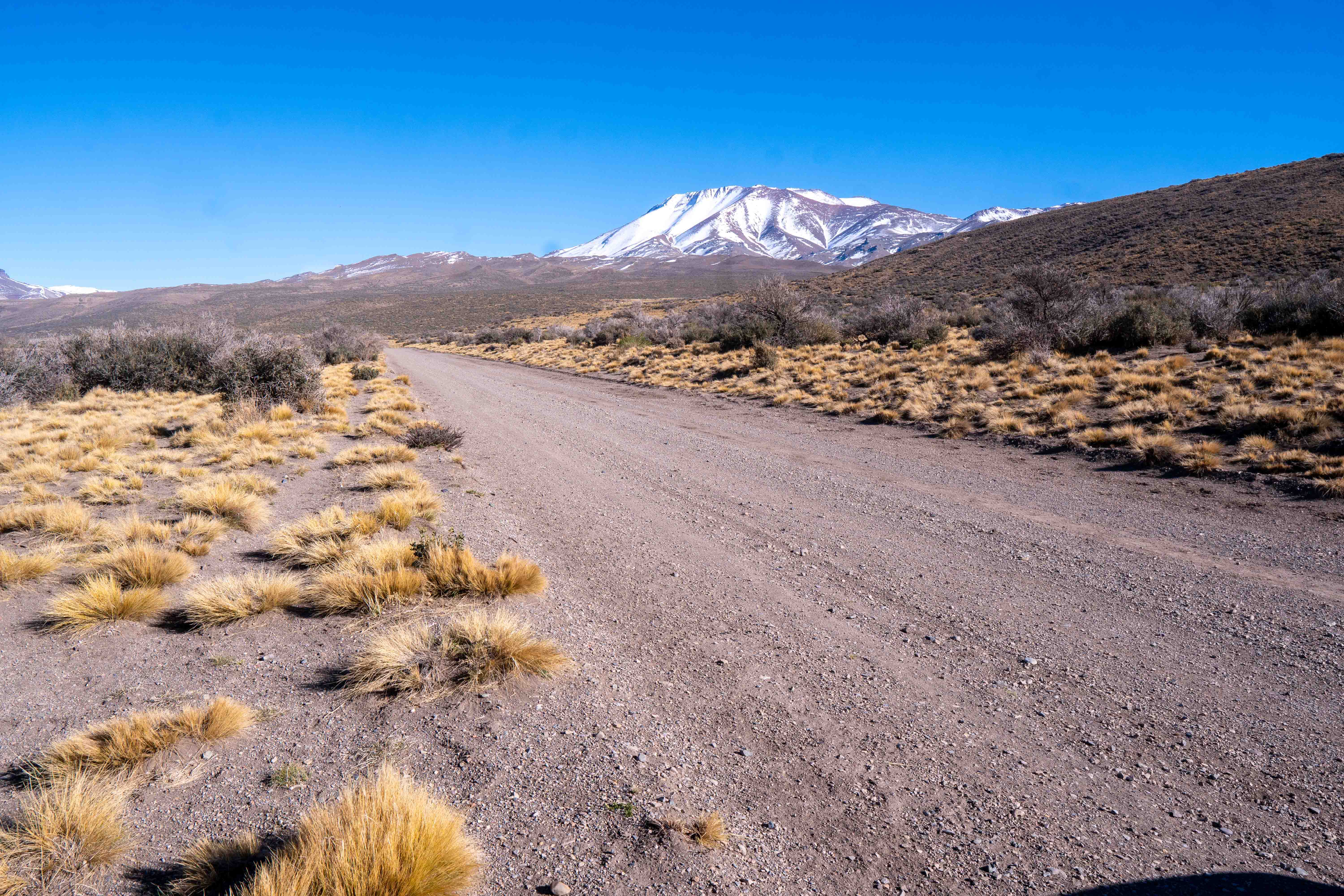
In response, border authorities have emphasized the importance of preparedness, recommending that travelers carry emergency supplies, ensure vehicles are equipped for winter conditions, and consult official sources before departure. Alternative crossings, such as the Paso Pehuenche, have been noted as remaining operational during restricted hours (typically 8:00 to 19:00), though they may also be subject to weather-related delays or maintenance-related limitations.
The decision to restrict or close the pass is never made lightly, given the volume of traffic it handles. Hundreds of trucks and private vehicles routinely use this corridor for trade and tourism, making timely and accurate information essential for logistics planning and personal travel safety.
Official Sources for Real-Time Updates
For the most current and reliable information, travelers are directed to consult the following verified channels:
- The official website and social media accounts of Argentina’s Dirección Nacional de Vialidad and Chile’s Ministerio de Obras Públicas, which jointly manage border crossing advisories.
- Updates from the Sistema Integrado Cristo Redentor, released through coordinated press releases and road condition reports.
- Provincial emergency management offices in Mendoza and the Valparaíso Region, which often disseminate localized alerts.
- International transportation authorities and automobile associations that provide travel advisories for cross-border routes in the Andes.
These sources provide real-time data on road status, weather-related restrictions, expected reopening times, and any required safety equipment. They also publish notices regarding seasonal closures of lower-altitude passes, such as the Paso Pichachén, which typically suspends operations after the summer season ends.
Broader Context of Andean Border Crossings
The Cristo Redentor Pass is one of several international crossings linking Argentina and Chile through the Andes, each with its own operational patterns influenced by elevation, geography, and climate. While lower-elevation passes like Cardenal Samoré or Hua Hum may remain accessible longer into the winter season, the Cristo Redentor route — despite its strategic importance — is more vulnerable to early seasonal closures due to its high altitude and exposure to Pacific-influenced storm systems.
This dynamic underscores the need for flexible travel planning when moving between the two countries via land. Commercial operators, in particular, rely on seasonal forecasts and real-time coordination to adjust routing schedules, while tourists are encouraged to consider alternative timing or modes of transport when mountain passes face restrictions.
Authorities continue to invest in infrastructure improvements and monitoring technology to enhance the resilience of the corridor, including avalanche control systems, improved drainage, and real-time camera networks that support decision-making during adverse weather events.
What Travelers Should Know Today
On this Saturday, April 25, 2026, individuals intending to use the Paso Cristo Redentor are advised to:
- Check the latest bulletin from the Sistema Integrado Cristo Redentor before departure.
- Confirm that their vehicles meet current requirements for tire chains or alternative traction devices.
- Allow for potential delays due to weather-dependent traffic management or temporary halts for safety evaluations.
- Consider postponing non-essential travel if active snowfall or strong winds are reported in the high mountain zones.
- Have contingency plans ready, including knowledge of alternative routes or nearby accommodations in case of unexpected delays.
By staying informed through official channels and respecting local advisories, travelers can aid ensure their safety and contribute to the efficient operation of this critical trans-Andean passage.
The next official update on the status of the Paso Internacional Cristo Redentor is expected from the coordinated border authorities later today, with routine reassessments conducted every 6 to 12 hours during periods of active weather influence. Travelers are encouraged to revisit trusted sources prior to any crossing attempt.
If you have recently crossed the Paso Cristo Redentor or have questions about current conditions, we invite you to share your experience in the comments below. Your insights can help fellow travelers create informed decisions. Please consider sharing this article with anyone planning a trip across the Andes to help spread accurate, verified information.
Worth a look